
Emergency Chimney Sweep Near Me: What San Marcos Homeowners Should Do First
A chimney fire sounds like a low-flying jet inside your walls. If that happens, the first call is 911, not a sweep company. Most homeowners get that order backwards. For everything short of an active fire, your first move is to stop using the fireplace, close the damper if it’s safe to reach, and then call a specialist who can inspect the flue before you burn again.
We’ve worked on chimneys across San Marcos, from Santa Fe Hills down to Discovery Hills, and the pattern is always the same: a homeowner hears a roar, sees flames or thick smoke, and starts Googling “emergency chimney sweep near me San Marcos” while the fire is still going. Slow down. Here’s the sequence that actually protects your house, and how to know the difference between a true emergency and a heavy smoke event that can wait a few hours.
Know the Difference: Chimney Fire vs. Heavy Smoke Event
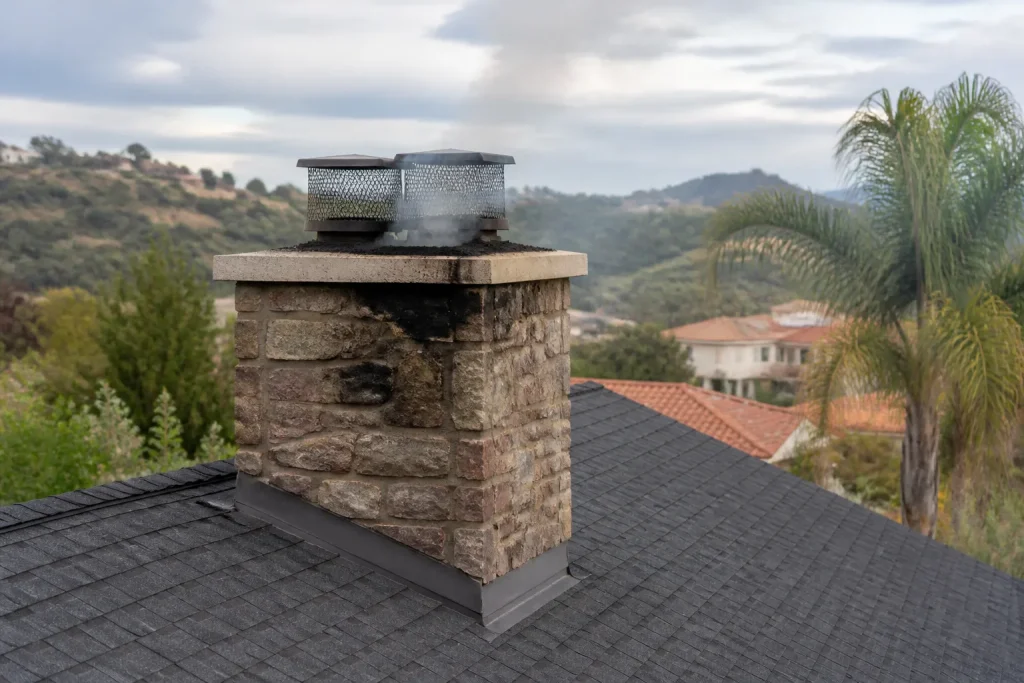
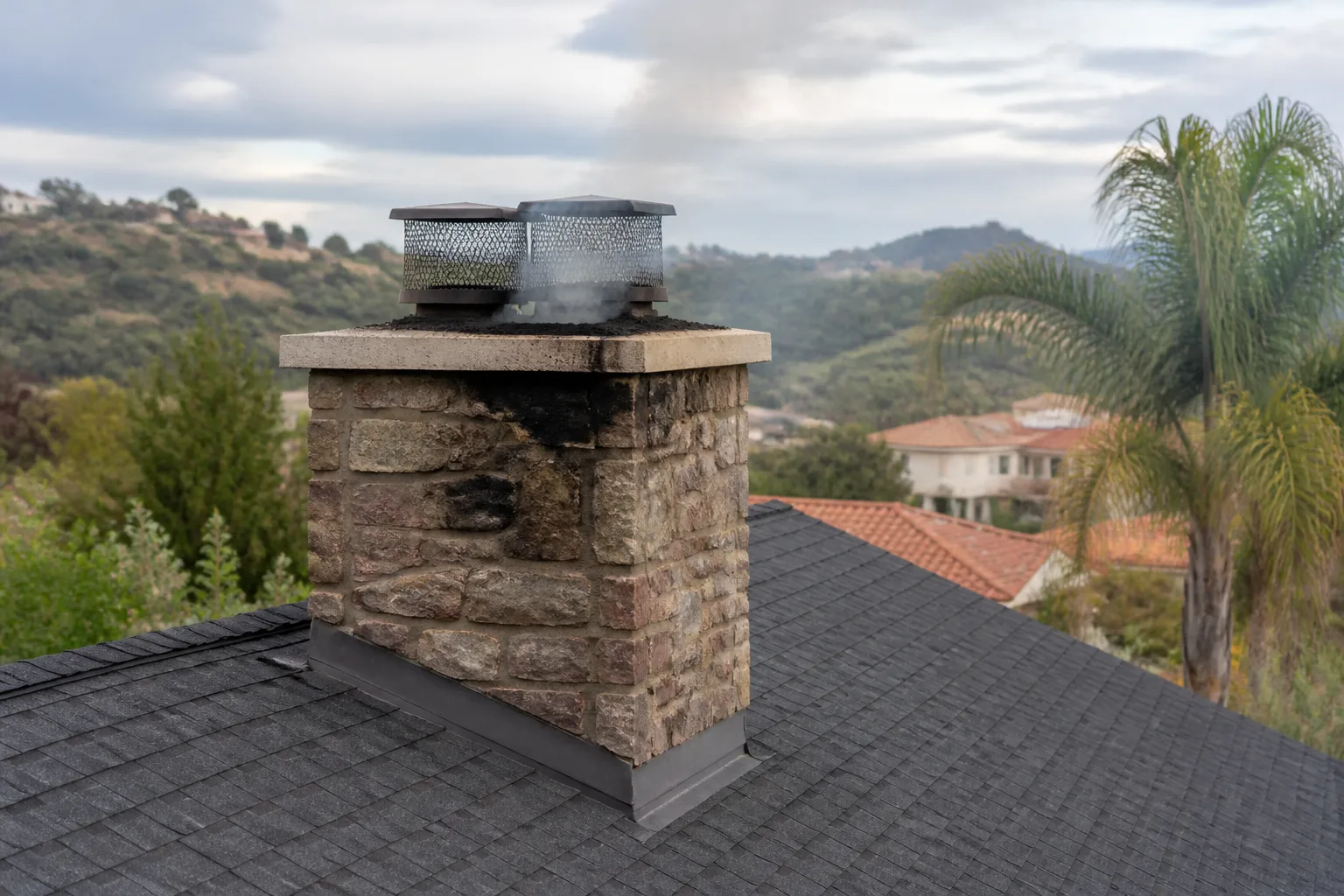
A chimney fire is not subtle. You’ll hear a low rumbling or a roar that sounds like a freight train or jet engine coming from the flue. Flames may shoot from the chimney top. The masonry can get hot enough to crack, and in some cases, you’ll see smoke pushing through wall joints or smell something acrid that isn’t normal wood smoke. This is an active structure fire inside your chimney. Call 911 first. Evacuate. Let the fire department handle it.
A heavy smoke event is different. You’ll see smoke backing up into the room, maybe hear some popping, and smell burning creosote, but there’s no sustained roar, no visible flame in the flue, and no heat you can feel through the wall. In San Marcos, we see this most often in older homes near the 78 corridor where fireplaces haven’t been swept in years and the flue is packed with creosote. If you’re in the smoke-event category, close the damper if you can reach it without putting your face over the firebox, keep a fire extinguisher nearby, and call a chimney professional. This is urgent but not a 911 call.
Your First 20 Minutes: The Step-by-Step Protocol
Every homeowner in San Marcos should have a mental checklist for chimney trouble. Here is the sequence we recommend, and it works whether you’re near Palomar College or out by Lake San Marcos.
- 1
Stop adding fuel. Do not throw water on the fire. The thermal shock can crack the firebox or flue liner.
- 2
Close the damper if safe. This cuts oxygen to the fire. If flames are already visible in the firebox or you feel heat at the opening, skip this step and back away.
- 3
Call 911 if you hear a roar or see flames from the chimney top. Do not wait. Masonry chimneys in San Marcos can crack under fire conditions and spread to the roof structure quickly.
- 4
Move people and pets away from the firebox area. Keep the room clear until the situation stabilizes.
- 5
Once the fire is out or the smoke has cleared, leave the damper closed and do not use the fireplace again until it has been inspected.
We’ve had calls from Ranchland homeowners who did everything right: got the family out, closed the damper, and then called us the next morning for an inspection. That’s the correct sequence. The house stays safe, and we can evaluate the flue with a camera to see what actually happened.
What Information to Have Ready Before Calling a Chimney Professional
When you do call a chimney company in San Marcos, the technician needs specific details to show up with the right equipment. Having this information ready saves time and, in some cases, a second trip.
- Firebox type: Is it a masonry fireplace, a prefab metal unit, or a wood stove insert? Different systems require different inspection tools.
- Last service date: If you know when the chimney was last swept, say so. A flue that was cleaned six months ago and is now backing up smoke points to a different problem than one that hasn’t been touched since the house was built.
- What you saw and smelled: Flames? Smoke color? A smell like asphalt or barbecue? These details tell us a lot about what’s burning in the flue.
- Any popping or cracking sounds: That can indicate thermal expansion in the flue liner or masonry.
- Animals: If you heard scratching or chirping before the problem started, say so. San Marcos has plenty of birds and squirrels that find their way into uncapped chimneys.
A specialist who asks these questions before scheduling is already doing better than a generic contractor who just says “we’ll come take a look.” The questions are a screening tool. They tell you the person on the phone knows what they’re doing. Our Chimney Sweep in San Marcos service includes a camera inspection as part of every sweep, so we see exactly what’s in the flue before recommending anything.
How to Vet an “Emergency” Chimney Company in San Marcos Quickly
Emergency availability and emergency competence are different things entirely. When your flue is compromised, you need both. Here are the two questions that filter out unqualified responders without a long interview.
Question one: “Do you repair flue liners, or only clean them?” If the answer is “we just clean,” keep looking. A post-fire or post-smoke-event inspection often reveals liner damage that needs repair before the fireplace is safe to use. A sweep-only company will clean the creosote and hand you a report that says “refer to a repair specialist.” You’ve just paid for two service calls instead of one. We work with HeatShield and DuraFlex materials, which means liner restoration happens in the same service relationship, not as a handoff to someone else. We find it, we fix it.
Question two: “Will you show me camera footage of the problem before quoting repair work?” If the answer is no, walk away. A professional chimney inspection in San Marcos should include a video scan of the flue interior. You should see the cracks, the creosote buildup, or the failed mortar joint with your own eyes. Any contractor who asks you to trust them without evidence is selling you something. In our experience, a camera inspection takes about ten minutes and the video can be saved and shared. There is no reason to skip it.
One more thing: ask if they handle dryer vents too. It sounds unrelated, but a company that services both chimney and dryer venting under one roof is thinking about total fire safety, not just one appliance. That matters. Dryer vents are a leading cause of residential house fires in San Marcos and everywhere else, and a chimney specialist who ignores them is missing half the picture. Our Dryer Vent Cleaning in San Marcos service pairs with a chimney sweep for a reason: both are fire-hazard flues in your home.
What Post-Chimney-Fire Inspections Must Include Under NFPA 211
After any chimney fire, even a small one, NFPA 211 requires a Level 2 inspection before the fireplace can legally and safely be used again. This is not a recommendation. It is the standard. In San Marcos, where wood-burning fireplaces are common in older homes, this inspection is the difference between a safe family room and a hidden structural hazard.
A Level 2 inspection includes everything in a Level 1 (basic accessible-areas check) plus a video scan of the entire flue interior, inspection of the attic, crawlspace, and exterior chimney surfaces, and evaluation of the flue liner for cracks, gaps, or signs of fire damage. The technician is looking for what the fire did to the liner. Creosote burns at over 2,000 degrees Fahrenheit. That’s hot enough to crack clay tile liners and compromise mortar joints. If the liner is damaged, the next fire you light is burning against exposed masonry or, worse, against combustible wall framing.
If the inspection reveals liner damage, the repair usually involves resurfacing with a product like HeatShield or installing a new liner such as DuraFlex. These are professional-grade materials used by certified chimney technicians nationwide. They are not big-box substitutes. A fireplace that has been through a chimney fire needs this level of repair before it sees another log. There is no safe shortcut. For a full breakdown of what our Chimney Repair in San Marcos service covers, we’ve outlined everything on that page, including liner options and typical timelines.
Why San Marcos Homes Face Specific Chimney Risks
San Marcos has a particular set of conditions that make chimney maintenance more important here than in some other Southern California communities. The Santa Ana winds that come through in fall and winter create strong drafts that can pull embers up a dirty flue and ignite creosote deposits. Homes in the hills around Palomar and Cerro de las Posas get more wind exposure than properties down in the valley, which means more draft and more creosote ignition risk.
We also see a pattern with older San Marcos homes: fireplaces that were built in the 1970s and 1980s, often with clay tile liners that have never been replaced. Clay tile cracks under thermal stress. Once it cracks, the fireplace is unsafe until the liner is repaired or replaced. A homeowner can go years without knowing this because the damage is hidden inside the flue. The only way to see it is with a camera.
And then there are the critters. San Marcos has a healthy population of birds, squirrels, and raccoons, and an uncapped chimney is an open invitation. A nest blocks the flue, smoke backs up into the house, and the homeowner thinks they need an emergency sweep when what they actually need is an animal removal and a proper chimney cap. We’ve pulled nests out of flues all over San Marcos where the homeowner had no idea anything was living up there. The first sign is usually the smoke.
When to Call a Pro
If you’ve had a chimney fire, heavy smoke backup, or any sign of animal activity in the flue, don’t burn another fire until a professional has looked at it. This is not a DIY situation. The risks are structural fire, carbon monoxide, and smoke damage, and none of them announce themselves politely. A specialist should do a camera inspection, identify the problem, and show you the footage before quoting any work.
If you’re in San Marcos and you’re not sure whether you need a sweep or a repair, call us. We’ll walk through what you saw, heard, and smelled, and tell you honestly whether it can wait a few days or needs attention now. Nothing gets recommended without camera evidence you can see for yourself. And if the flue is fine, we’ll tell you that too. Your flue is our only focus.
Related services in San Marcos: Chimney Cleaning San Marcos home covers our full scope, including chimney sweep, chimney repair, and dryer vent cleaning for the complete venting-safety picture.
The Bottom Line
When you search “emergency chimney sweep near me San Marcos,” the order of operations matters more than the search itself. Active chimney fire: 911 first, then a Level 2 inspection before the fireplace is used again. Heavy smoke or animal activity: stop using the fireplace, close the damper if safe, and call a specialist. Either way, demand camera evidence before accepting any repair quote. A professional-grade company working with materials like HeatShield, DuraFlex, and Copperfield will show you exactly what’s in your flue. A sweep-only outfit will not have that option.
If you’re in San Marcos and need help, Chimney Cleaning San Marcos offers free estimates and camera-supported inspections. Call (866) 651-2603 to schedule.
Frequently Asked Questions
Most homeowners in San Marcos pay between $180 and $340 for a standard chimney sweep with a camera inspection, depending on flue condition and access. If the chimney has been through a fire and needs a Level 2 inspection, the cost typically runs higher because of the video scan and the time involved. Call (866) 651-2603 for an exact quote, estimates are free.
No. NFPA 211 requires a Level 2 inspection after any chimney fire, regardless of size. The heat from even a small fire can crack the flue liner, and the next fire you light could be burning against exposed structure. Get the inspection, review the camera footage, and only use the fireplace after a professional clears it.
A chimney fire sounds like a low roar, a rumble, or a jet engine coming from inside your walls or chimney. It is loud and continuous, not a popping sound. Popping is normal wood crackle. A roar means call 911 and evacuate, then schedule a post-fire inspection before using the fireplace again.
You don’t have to take anyone’s word for it. A professional chimney inspection includes a camera scan of the flue interior, and you should be able to see the damage in the footage. If the liner is cracked, gapped, or burned through, repair is necessary before another fire. If a company quotes liner work without showing you footage, get a second opinion. Call (866) 651-2603 and we’ll show you the video before we talk about repair costs.
Written by the team at Chimney Cleaning San Marcos, serving San Marcos since 2018.
Need Chimney Cleaning Help?
Call Chimney Cleaning San Marcos - licensed & insured, with free written estimates in San Marcos.
(866) 651-2603