
Last updated November 2, 2026
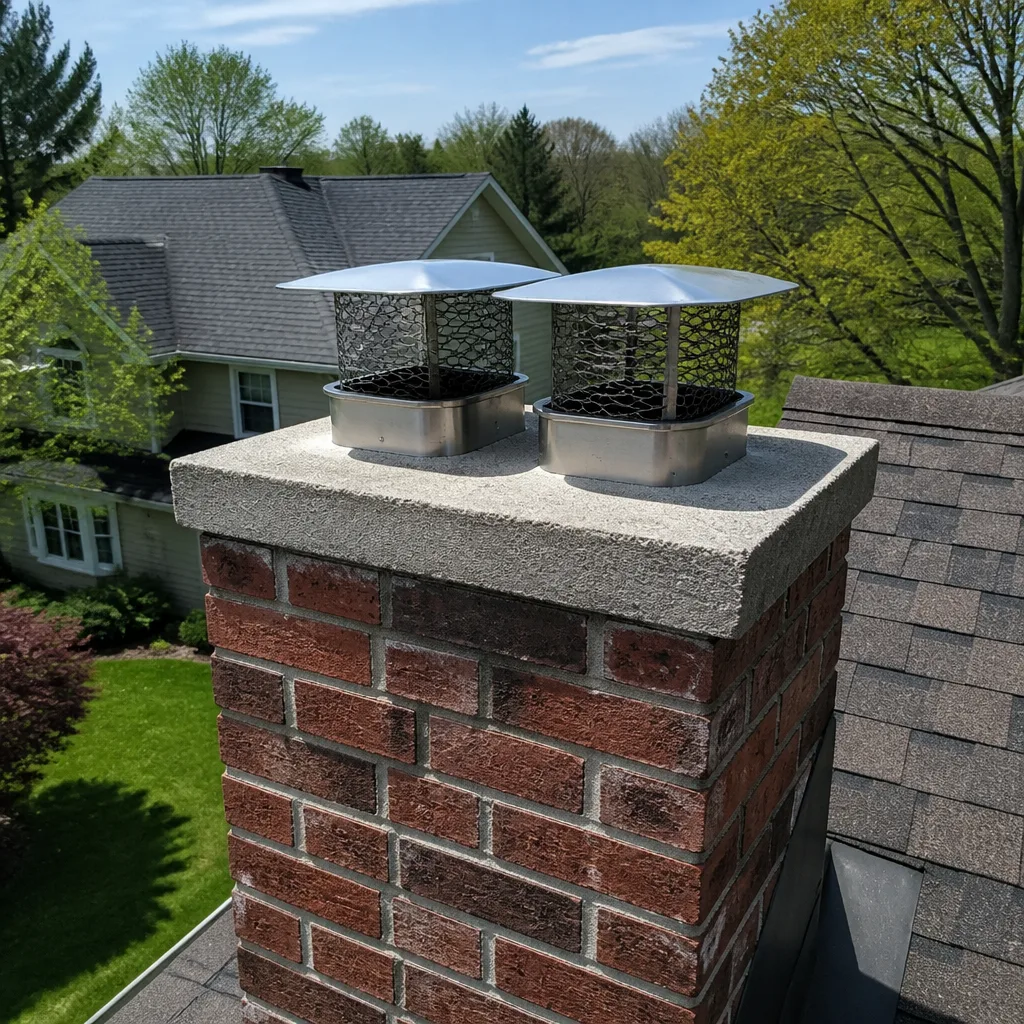 Sweep & inspection
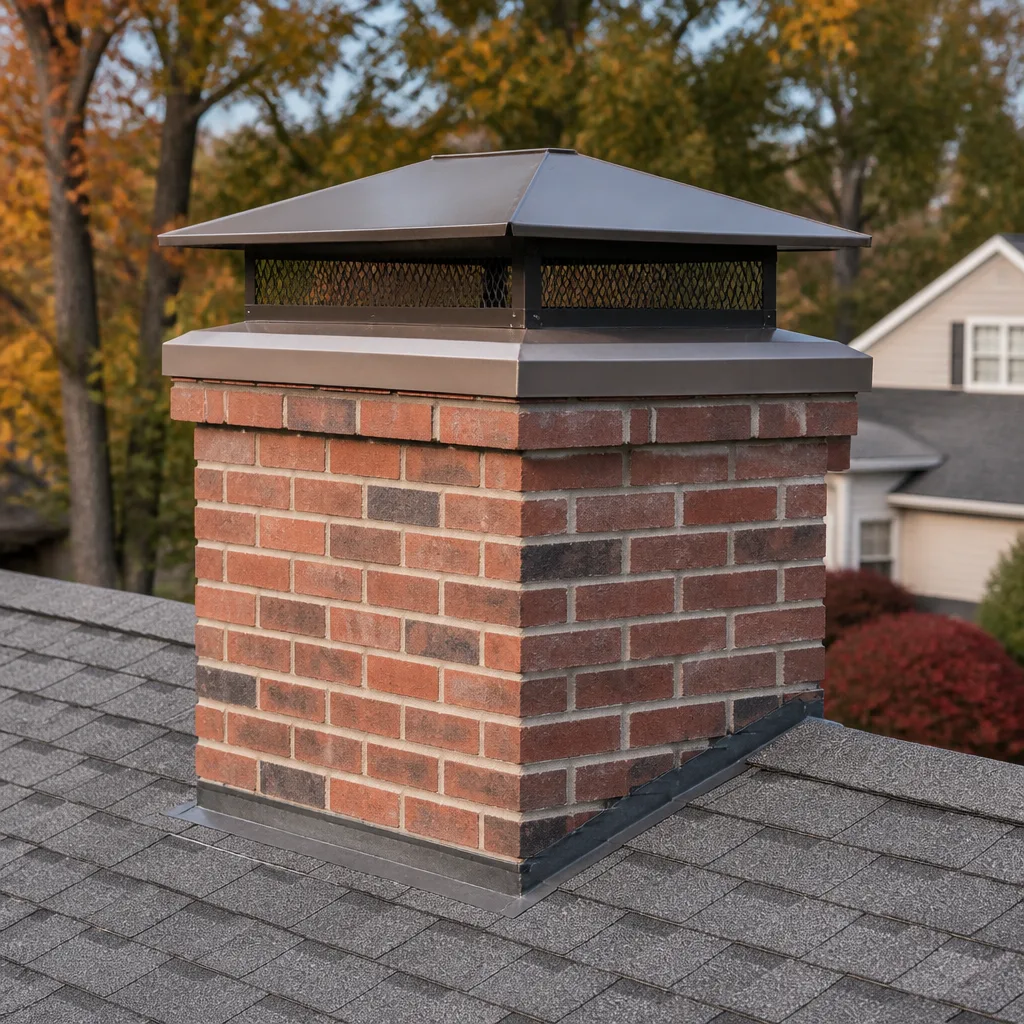 Caps & crowns
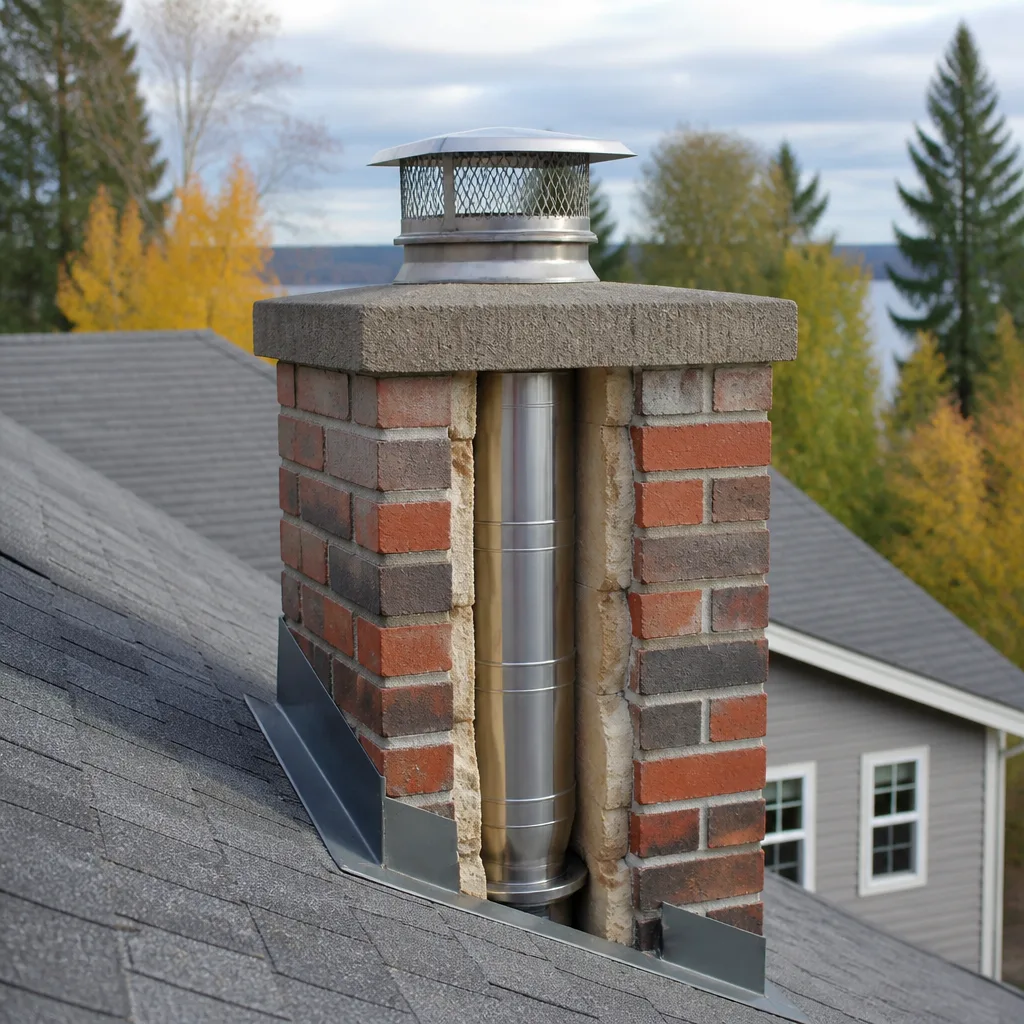 Flue relining
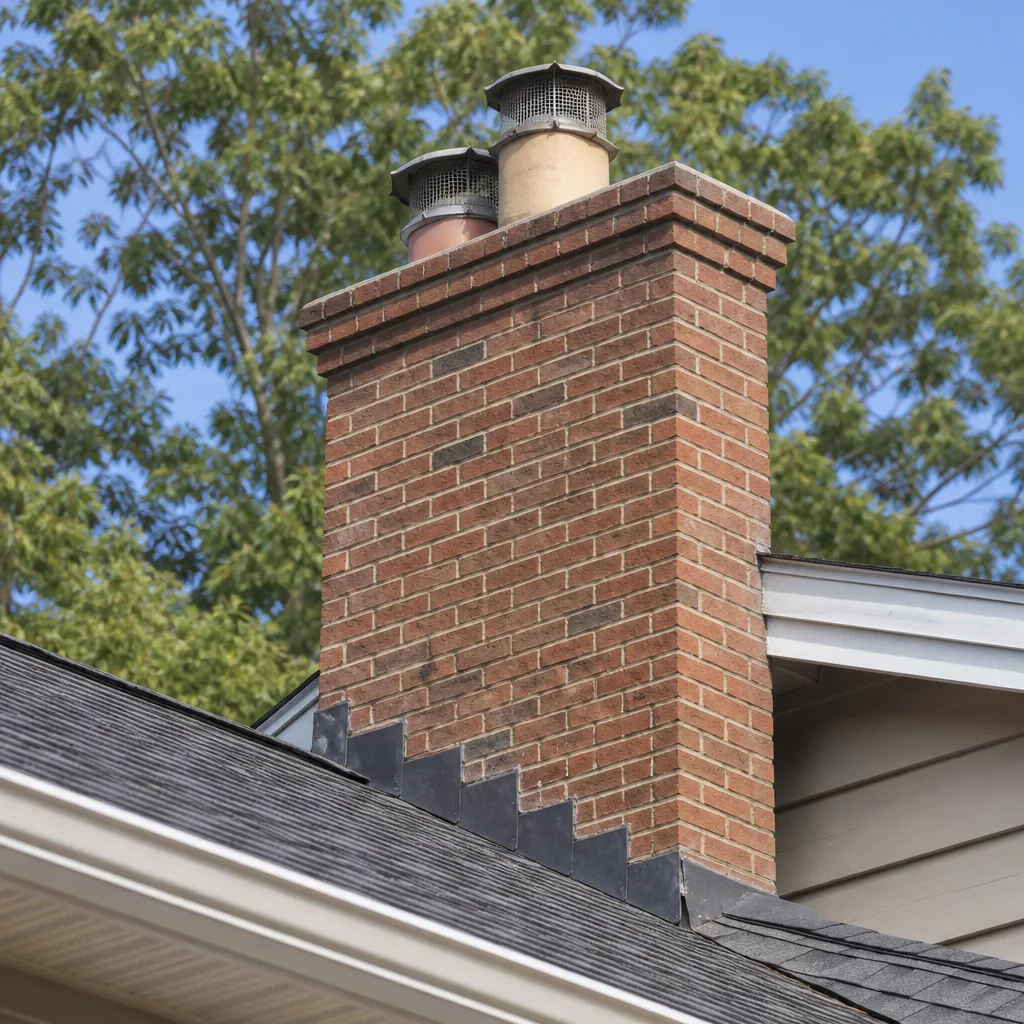 Masonry repair
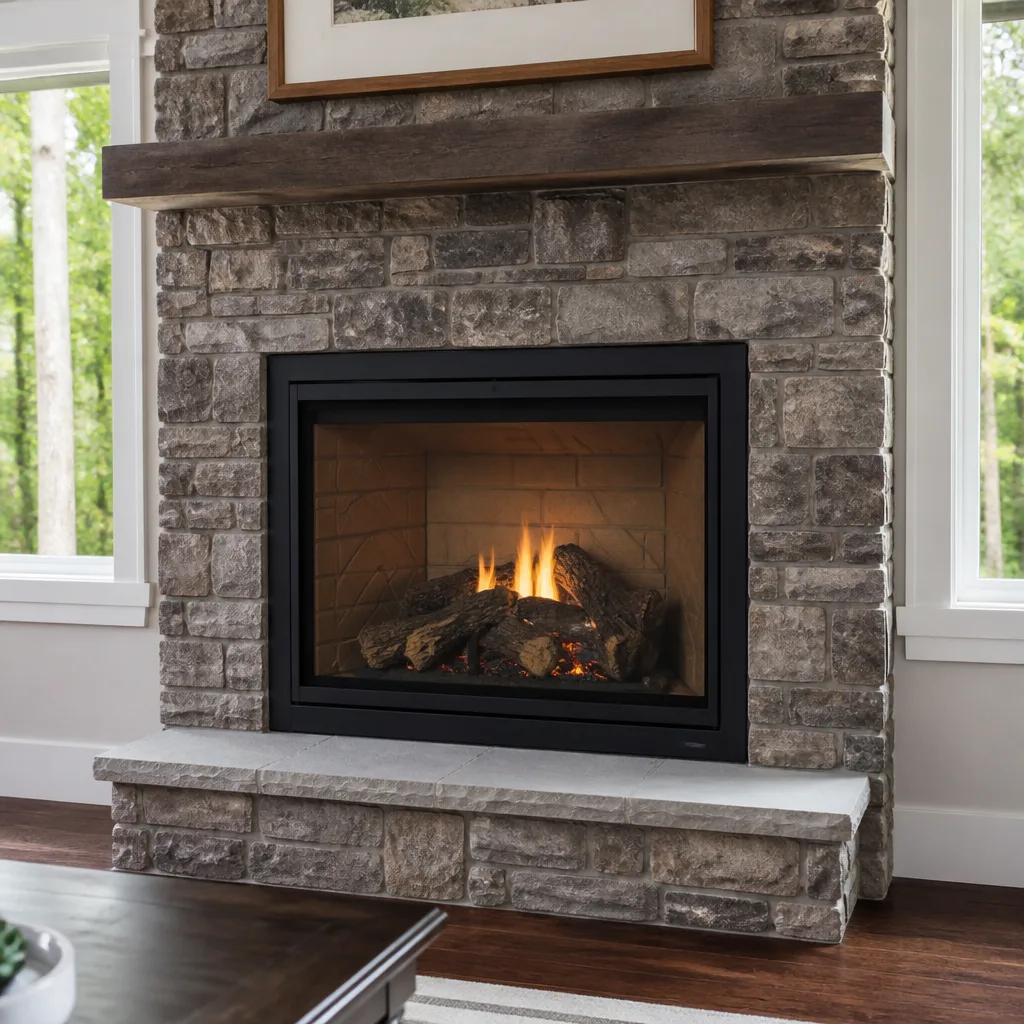 Gas fireplace service
Level 1 sweep and inspection to the NFPA 211 annual standard - flue, crown, cap, and flashing checked and photographed
Chimney sweep logs do not sweep chimneys. They loosen some creosote - which then falls where a brush and vacuum still have to collect it.
Chimney Cleaning Warning Signs: A San Marcos Homeowner’s Reference Guide
A fireplace that smells like a campfire in August, when it hasn’t been used in months, is telling you something specific about your flue that needs immediate attention. Most San Marcos homeowners only think about their chimney when they’re actively using it, usually between November and February. But the most useful warning signs appear during the off-season, when temperature swings, humidity, and simple neglect leave evidence that’s easy to spot if you know what you’re looking for. This guide covers what to watch for, what it means, and when to act. We’ll walk through the smells, the visual clues, the draft problems, and the triage framework that tells you whether to stop using your fireplace today or simply book a sweep before the next burn season.
Quick Answer
The most common chimney cleaning warning signs in San Marcos are a persistent smoky or musty odor when the fireplace isn’t in use, visible soot or creosote buildup inside the firebox, difficulty getting fires to start or stay lit, smoke entering the room instead of going up the flue, and crumbling or staining on the exterior chimney structure. Any of these means creosote, moisture, or obstruction is likely present, and a chimney sweep should inspect the system before another fire is lit.
Styles & brands we work with
- Sweep & inspection
- Caps & crowns
- Flue relining
- Masonry repair
- Gas fireplace service
Table of Contents
- The Odor Matrix: What Different Chimney Smells Actually Mean
- Draft Reversal Signs: When Smoke Goes the Wrong Way
- Visual Warning Signs You Can Check From the Ground
- Why a Fireplace That ‘Seems Fine’ Is the Highest Risk
- The Triage Framework: Stop Now, Schedule Soon, or Monitor
- How San Marcos Weather Patterns Affect Chimney Wear
- Common Mistakes to Avoid
- When to Call a Professional
- Frequently Asked Questions
The Odor Matrix: What Different Chimney Smells Actually Mean
Your nose is the most underrated diagnostic tool you own. Before any visual inspection, before any camera scope, your sense of smell will usually flag a chimney problem first. The key is learning to distinguish between normal and abnormal odors, because not all chimney smells mean the same thing, as explained in our Chimney Sweep Troubleshooting: Common Problems and How to Fix Them. In our experience servicing fireplaces across San Marcos, we’ve found that homeowners often dismiss these odors as “just how fireplaces smell,” when in fact each distinct smell points to a specific condition in the flue system.
Here’s what different chimney odors typically indicate:
- Smoky or campfire smell when the fireplace hasn’t been used: This is creosote off-gassing. Creosote is the tar-like residue left behind by wood combustion, and it absorbs moisture from the air. When humidity rises, especially during San Marcos’s late-summer monsoon influence, the creosote releases volatile compounds that smell exactly like a dying campfire. This is the single most common odor complaint we hear, and it almost always means there’s a significant creosote deposit in the flue or smoke chamber.
- Musty, damp, or basement-like smell: Moisture intrusion. Water is getting into the chimney system, usually through a cracked crown, damaged flashing, or a missing rain cap. In San Marcos, where we get most of our rain between December and March, this smell tends to spike during and just after wet weather. Moisture mixing with creosote also accelerates flue liner deterioration, so this odor means two problems are compounding.
- Sharp, acrid, or chemical smell: This is often stage-three glazed creosote, which is highly concentrated and chemically distinct from the softer, flaky first-stage creosote. It can smell almost like tar or asphalt. If you’re catching this odor, the creosote has likely reached a state where standard brushing won’t fully remove it, and a more involved cleaning method may be required.
- Animalic, ammonia-like, or rotting smell: Something is living or has died in your chimney. Birds, squirrels, and raccoons are common chimney occupants in San Marcos neighborhoods, especially during spring nesting season. The smell of droppings, nesting material, and in some cases a deceased animal, is unmistakable. Beyond the odor, animal nests are a leading cause of chimney obstruction and fire.
Each of these smells is a data point. None of them should be ignored or masked with air fresheners. The fix starts with a professional Chimney Sweep in San Marcos to identify the exact source. We find it, we fix it.
Draft Reversal Signs: When Smoke Goes the Wrong Way
A properly functioning chimney pulls air up and out of the house, carrying smoke and combustion gases with it. When that flow reverses, even intermittently, you have a draft problem, and draft problems are never trivial. They mean combustion byproducts, including carbon monoxide, are entering your living space instead of leaving it.
Here are the signs of draft reversal or inadequate draft that San Marcos homeowners should watch for:
- Smoke entering the room during use: This is the most obvious sign, and it should stop you immediately. If smoke rolls into the room when you open the firebox door or when a fire is getting started, the flue is not pulling properly. Stop using the fireplace and leave it unused until a professional has inspected the system.
- Difficulty starting or keeping a fire lit: If fires are sluggish, need constant tending, or keep dying out despite dry wood and open air controls, the chimney may not be drawing enough oxygen. Common causes include a cold flue, a partial blockage, or a chimney that’s too short for the roofline it serves.
- Candles flickering or smoke drifting near the firebox when no fire is lit: This indicates air is moving down the chimney. In some cases, this is a simple negative air pressure issue, where exhaust fans or a tightly sealed house are pulling air down the flue. In other cases, it points to a structural issue with the chimney’s height or cap.
- A cold fireplace emitting drafts in winter: If you can feel cold air spilling out of the fireplace when it’s not in use, the damper may be damaged or warped, or the chimney cap may be missing. Either way, the chimney is acting as an open hole in your home’s envelope, costing you heating dollars and inviting moisture.
Draft reversal is one of the clearest signs that a professional inspection is overdue. A certified technician can measure draft, inspect the flue with a camera, and determine whether the fix is a simple cap replacement or something more involved like a flue liner repair using professional materials like DuraFlex. In San Marcos, where many homes sit on canyon slopes and experience shifting wind patterns, draft issues often require localized knowledge to diagnose correctly.
Visual Warning Signs You Can Check From the Ground
You don’t need to climb on your roof to spot many of the most telling chimney problems. A careful visual inspection from the ground, using binoculars if you have them, will reveal a surprising amount. Here’s what to look for, and what each sign means.
- White staining or efflorescence on the brick or masonry: This powdery white residue is mineral salts left behind when water evaporates from the masonry. It means water is entering the chimney structure and moving through it. Over time, this destroys mortar joints and can compromise the entire chimney’s stability.
- Dark staining or soot marks on the exterior near the crown: If you see black streaks or soot stains on the outside of the chimney, especially near the top, this can indicate that smoke is not exiting the flue properly and is condensing on the masonry. It’s a sign of poor draft or a partially blocked flue.
- Visible cracks in the chimney crown: The crown is the concrete slab at the very top of the chimney. From the ground, you may see cracks or chips, especially after rain. A compromised crown lets water into the chimney interior, where it wreaks havoc on the flue liner and smoke chamber.
- Deteriorating mortar joints: If the mortar between the bricks looks recessed, crumbly, or missing in places, your chimney has a condition called spalling. This means moisture has penetrated the masonry and is breaking down the structure from within. Left unaddressed, spalling can eventually require partial or full chimney rebuild.
- A missing or damaged chimney cap: The cap sits on top of the flue and serves three jobs: keeping rain out, keeping animals out, and preventing sparks from exiting. If it’s missing, rusted through, or tilted, you’re unprotected. Most San Marcos homes should have a cap, and it’s one of the least expensive components to replace.
- Rust stains running down the chimney: Rust indicates a metal component is corroding, often the cap, the damper, or in older homes, a metal flue liner that’s reached the end of its life.
These ground-level checks take five minutes and require no special equipment. If you spot any of these signs, the next step is a professional assessment. Our Chimney Repair in San Marcos service covers everything from crown repair to full liner replacement, using materials like HeatShield for liner restoration and Copperfield for cap and crown components.
Why a Fireplace That ‘Seems Fine’ Is the Highest Risk
Here’s the counterintuitive truth that surprises many San Marcos homeowners: the chimney that gets used every winter but never cleaned or inspected is more dangerous than the one that’s showing obvious symptoms. Absence of symptoms is not the same as absence of buildup. Creosote accumulates silently with every fire. It doesn’t announce itself. It doesn’t smell until humidity rises. It doesn’t obstruct draft until it’s thick enough to narrow the flue passage significantly. By the time a no-symptom chimney shows its first sign, the accumulation may already be severe.
The National Fire Protection Association recommends annual chimney inspection, and cleaning as needed, regardless of how often the fireplace is used. This isn’t arbitrary guidance. It’s based on decades of data showing that chimney fires overwhelmingly occur in chimneys that had never been inspected or hadn’t been inspected in years. The homeowner in those cases almost always reported that the fireplace “seemed fine.”
Here’s the progression most no-symptom chimneys follow:
- Stage one creosote: Light, flaky, and easy to remove. Produces few symptoms. Homeowner assumes all is well.
- Stage two creosote: Thicker, tar-like, and more tenacious. May cause a faint odor on humid days. Homeowner dismisses it.
- Stage three creosote: Glazed, hardened, and highly combustible. This is the fuel that feeds chimney fires. It can form in as little as one season of burning unseasoned wood or running low-temperature fires.
If your fireplace has gone more than a year without inspection, or if you’ve recently moved into a home in San Marcos and don’t know the chimney’s history, treat it as if it has a problem until proven otherwise. That doesn’t mean panic. It means Chimney Cleaning San Marcos home should be your first call. A professional sweep with camera inspection can tell you in under an hour whether you have a clean flue or a pending problem.
The Triage Framework: Stop Now, Schedule Soon, or Monitor
Not every chimney warning sign is an emergency. Some mean stop using the fireplace immediately. Others mean book a sweep within the next few weeks. A few are simply notes to keep in mind. Here’s the triage framework we use with our San Marcos clients.
Stop Using the Fireplace Immediately
- Smoke entering the room during a fire.
- A strong chemical or acrid odor when the fireplace is hot.
- Visible flames or glowing in the chimney flue, or a sound like a jet engine coming from the chimney (these are chimney fire indicators – call 911 first).
- Water actively dripping into the firebox during rain.
- Evidence of animal activity: sounds, droppings, or a dead animal smell that persists.
Schedule a Sweep or Inspection Soon
- Smoky odor when the fireplace hasn’t been used in weeks.
- Musty or damp smell, especially after rain.
- Difficulty getting fires to start or stay lit.
- White staining or cracked mortar visible from the ground.
- The fireplace hasn’t been inspected in over a year.
Monitor and Note
- Faint occasional odor on very humid days.
- Minor hairline cracks in the crown that don’t appear to be growing.
- A slightly sluggish draft on cold start that resolves once the flue warms up.
This framework exists because overreacting is almost as unhelpful as underreacting. But here’s the important caveat: if you’re unsure which category a symptom falls into, err on the side of caution. A professional inspection costs less than a chimney fire or a carbon monoxide incident, and it gives you a baseline for future decisions. We regularly tell San Marcos clients that the best outcome of a sweep is finding nothing serious.
How San Marcos Weather Patterns Affect Chimney Wear
San Marcos sits in a unique position. We’re far enough inland to avoid the marine layer that blankets coastal North County, but close enough to the ocean that humidity swings are significant. Our winters bring concentrated rain, our summers bring heat and occasional monsoonal moisture pushed up from the Gulf of California. These patterns directly affect chimney condition, and they explain why some San Marcos chimneys deteriorate faster than identical structures in other parts of San Diego County.
The late-summer monsoon humidity is particularly relevant to chimney odors. When warm, moist air moves through San Marcos in August and September, it interacts with creosote deposits inside flues, causing the off-gassing that produces that “campfire in summer” smell. This is also when homeowners are most likely to notice the smell, because windows are open and air circulation is higher.
Winter rain is the other major factor. A roof and chimney that shed water effectively will handle San Marcos’s average annual rainfall without issue. But a small crack in a chimney crown, a compromised flashing point, or a missing cap will admit water with every storm. That water doesn’t just cause damp smells; it accelerates every other problem in the chimney system, from creosote corrosion to liner degradation to masonry spalling. Given that the region has experienced increasingly intense storm events in recent years, addressing moisture intrusion early has become more important than ever.
For a complete venting-safety review, remember that the same home that accumulates creosote in the chimney is also accumulating lint in the Dryer Vent Cleaning in San Marcos system. Both flues need attention. One call covers both fire hazards.
Common Mistakes to Avoid
- Burning unseasoned wood. Green or wet wood burns at lower temperatures, producing more creosote per fire than properly seasoned wood. It can turn a two-year creosote problem into a six-month one. Always burn wood that’s been split and stacked for at least six months.
- Ignoring the off-season smell. That campfire smell in August isn’t nostalgia; it’s chemistry. Dismissing it because “the fireplace isn’t even being used” misses the point entirely. The smell is telling you creosote is present and absorbing moisture.
- Assuming a chimney cap is optional. A missing cap lets in rain, leaves, animals, and debris. It’s a small component with outsized consequences. If you can see daylight where your cap should be, replace it.
- Treating chimney cleaning as a once-every-few-years task. The recommendation is annual inspection and cleaning as needed. What “as needed” means depends on usage. A fireplace that burns three cords a winter in San Marcos likely needs annual sweeping. A decorative fireplace that rarely sees fire may not. But the inspection part should happen every year regardless.
- Relying on visual inspection from inside the house. You can’t see creosote buildup inside a flue from your living room. What looks like a slightly sooty firebox can hide glazed creosote throughout the flue liner. Camera inspection is the only way to know.
- Hiring a generalist to save money. Chimney work is specialized. A handyman who cleans gutters and paints fences doesn’t have the training or equipment to properly assess flue condition. Your flue is our only focus at Chimney Cleaning San Marcos, and that depth of specialization exists specifically to catch what generalists miss.
When to Call a Professional
If you’ve read this far and recognized one or more of the signs above in your own chimney, that recognition is the signal to act. Specifically, call a chimney professional if you notice any persistent odor when the fireplace is unused, any amount of smoke entering your home during a fire, any visible deterioration of the exterior chimney structure, or if it’s simply been more than a year since anyone looked inside your flue. The inspection itself is quick, non-invasive, and gives you a clear picture of what you’re dealing with. Chimney Cleaning San Marcos offers free estimates for homeowners in San Marcos and the surrounding North County communities. Call (866) 651-2603 to schedule. We use professional-grade materials from brands like DuraFlex and HeatShield, not big-box substitutes, so any repair work we recommend is backed by materials the trade itself relies on.
Frequently Asked Questions
A chimney should be inspected every year and swept as needed based on usage. Fireplaces that burn regularly throughout the San Marcos winter, roughly one to three cords per season, typically need sweeping annually. Fireplaces used occasionally may go two years between sweepings, but the annual inspection remains important regardless of how much the fireplace is used. Call (866) 651-2603 for a free estimate specific to your home.
A smoky smell from an unused fireplace means creosote is present in the flue and is off-gassing as it absorbs humidity from the air. This is common in San Marcos during humid late-summer periods. The fix is a professional chimney sweep to remove the creosote, which is both a source of the smell and a fire hazard if left in place.
You can buy a chimney brush at a hardware store, but DIY cleaning doesn’t address the safety-critical parts of a sweep: camera inspection, creosote stage assessment, damper and cap inspection, and verification that the flue liner is intact. Professional-grade equipment and training make a real difference. We work exclusively with professional chimney-industry brands like DuraFlex, HeatShield, and others, because this trade rewards specialization – see our guide on Choosing the Right Chimney Cleaning Brand: A Buyer’s Guide for San Marcos.
Not necessarily. A cracked or deteriorated liner does need attention, but replacement isn’t the only option. Depending on the condition of the existing liner, restoration products like HeatShield can resurface and reseal the flue without a full replacement. This is one of the reasons specialists, not generalists, matter in this work. The only way to know what your liner needs is a camera inspection.
Creosote continues to accumulate with every fire, hardening from flaky stage-one into glazed stage-three deposits. Glazed creosote is highly combustible and is the primary fuel for chimney fires. Even without a fire, built-up creosote can partially or fully obstruct the flue, causing carbon monoxide backup. The risk compounds silently, which is why annual inspection matters even when the fireplace seems to be working fine.
We handle both. Chimney Cleaning San Marcos is a dedicated chimney and venting specialist, which means dryer vent cleaning is part of our core service, not an afterthought. Since dryer vents are a leading cause of residential house fires and chimneys are the other major fire-hazard flue, we offer both under one company. One call covers both fire hazards. Call (866) 651-2603 to schedule both services in a single visit.
The Bottom Line
Chimneys talk, but most homeowners never learn the language. A summer fireplace smell, a stubborn fire that won’t catch, a stretch of stained brick, a draft where there shouldn’t be one: each of these is your chimney telling you something specific about its condition. You don’t need to become an expert. You need to recognize the signs, know which ones demand immediate action versus a scheduled appointment, and have a specialist you trust to verify what’s happening inside the flue. Chimney Cleaning San Marcos has built its entire practice around this one trade: chimneys and venting systems, cleaned and repaired with professional-grade materials, not big-box substitutes. If it’s been more than a year since anyone looked in your flue, call (866) 651-2603 for a free estimate. Knowing is better than wondering.
Written by the team at Chimney Cleaning San Marcos, serving San Marcos since 2018.
See the difference
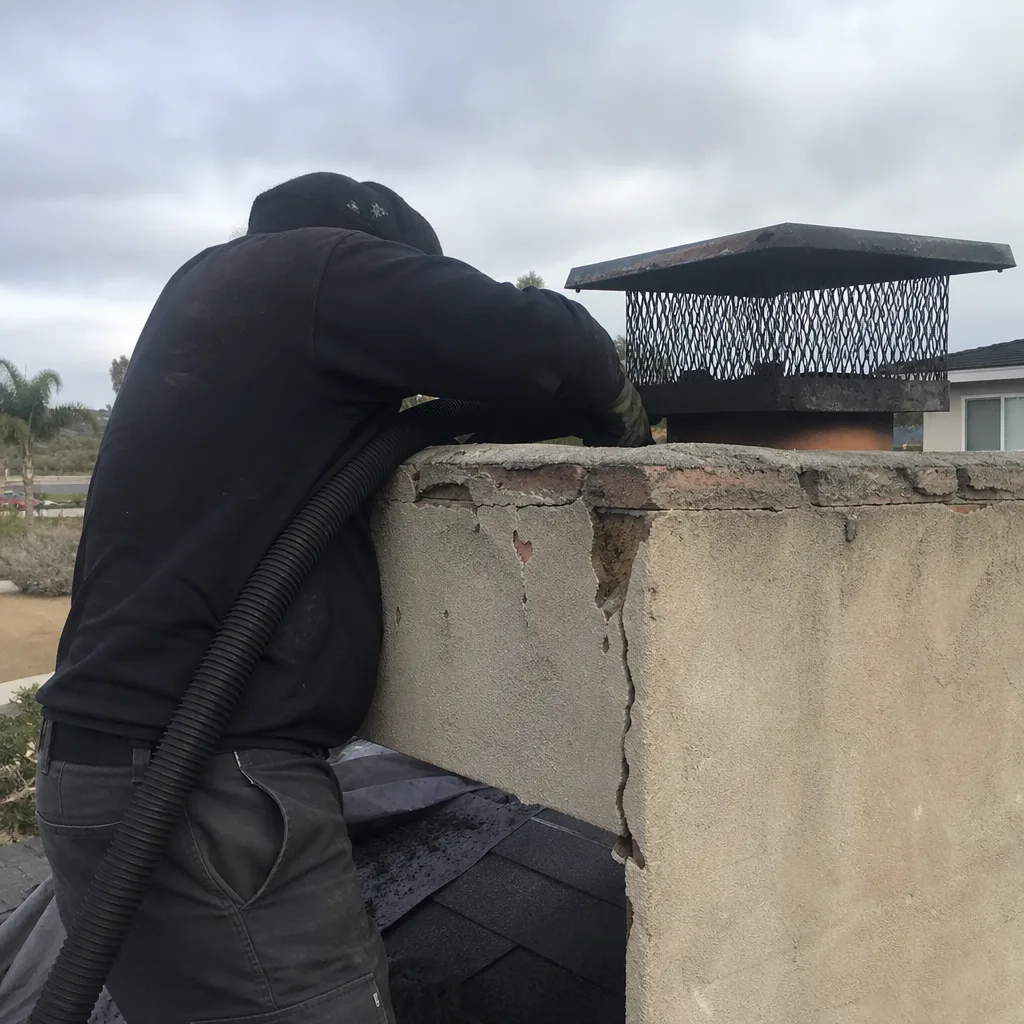 Before
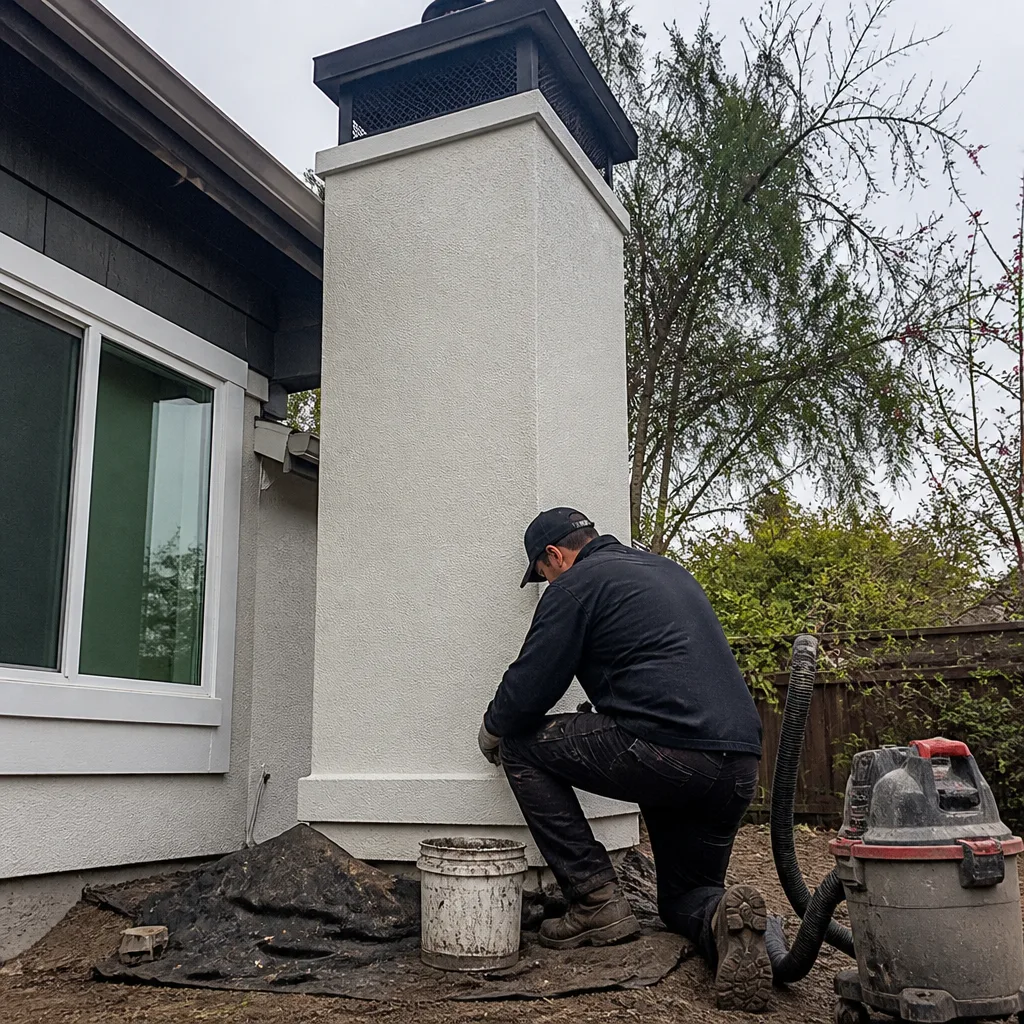 After
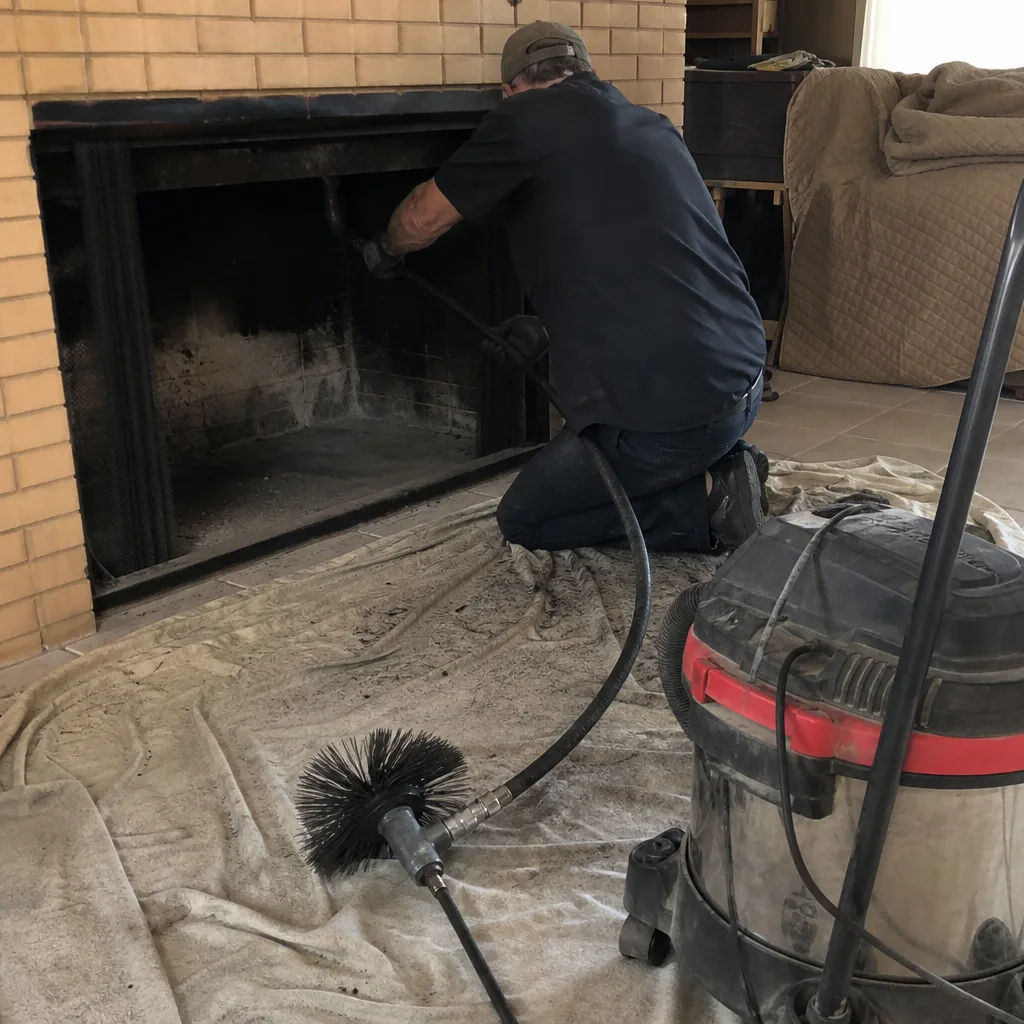 Before
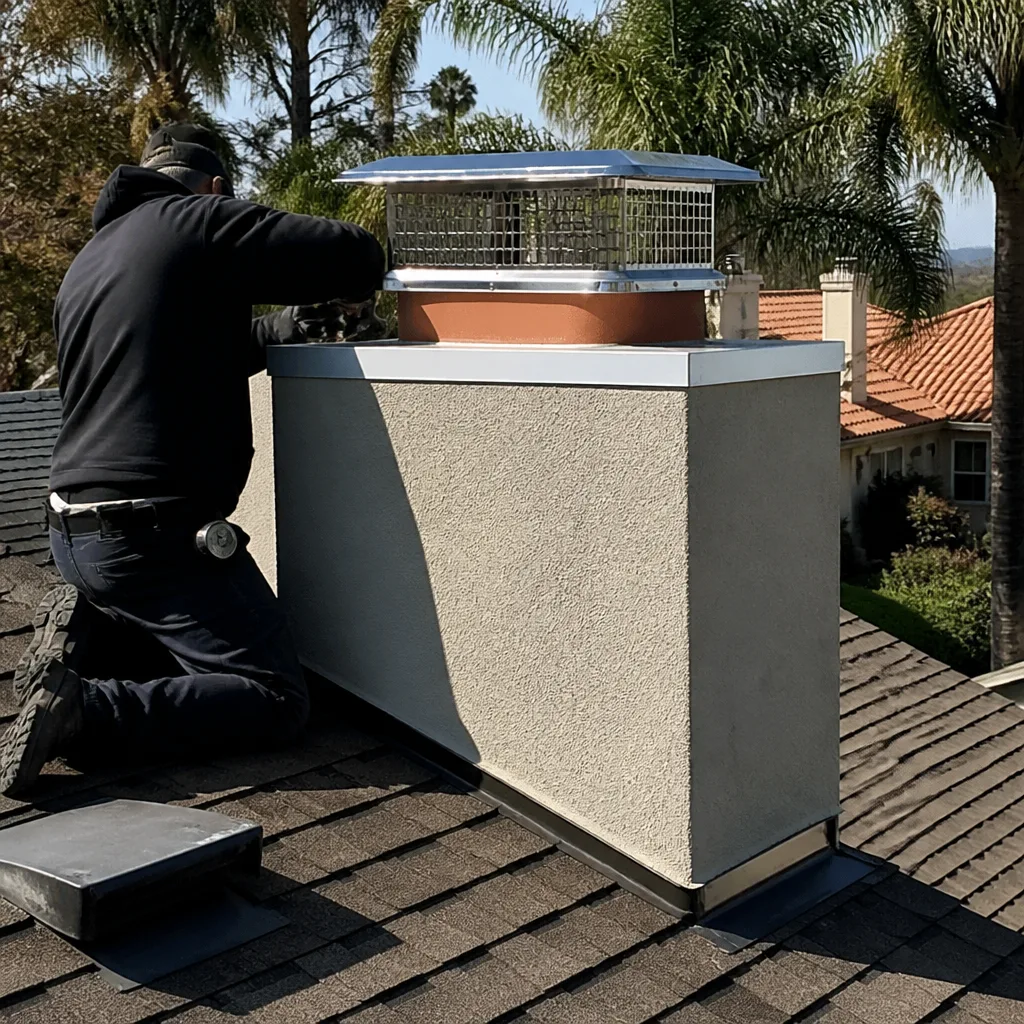 After
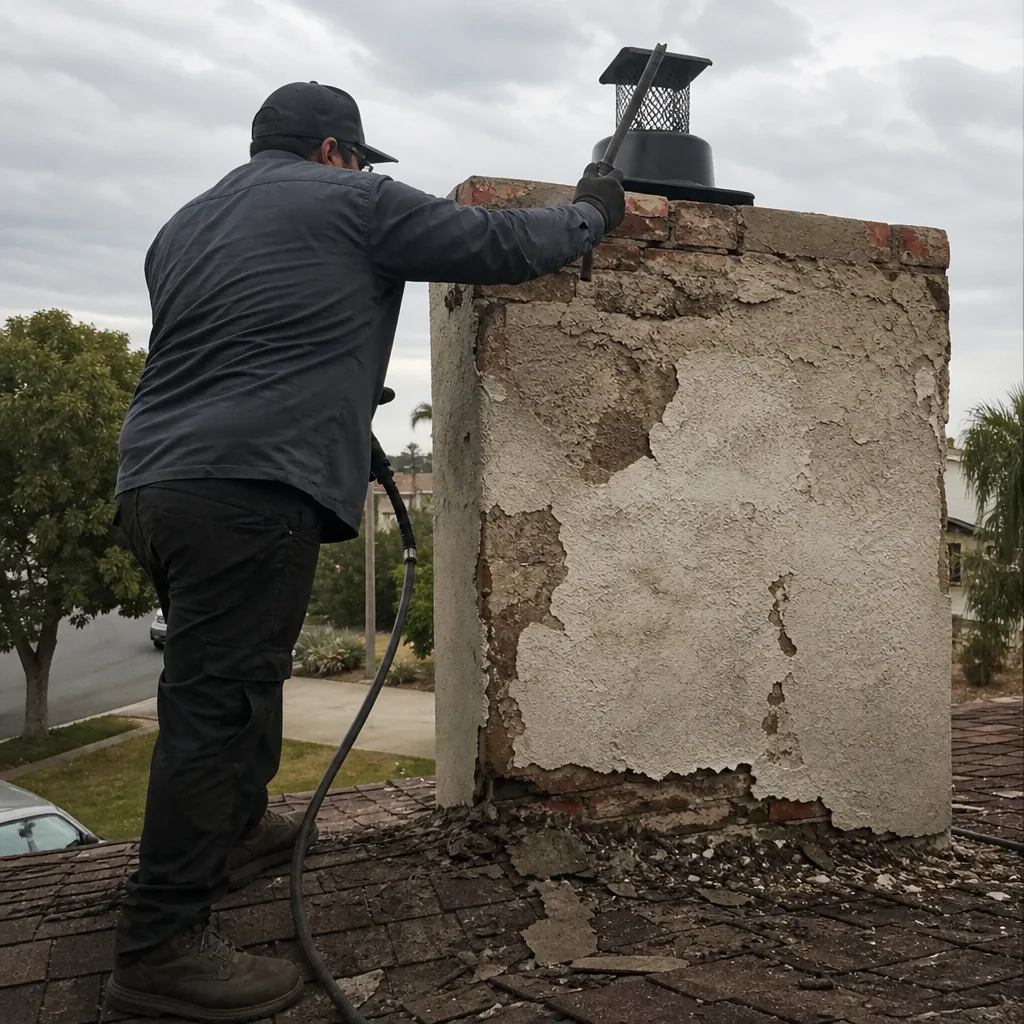 Before
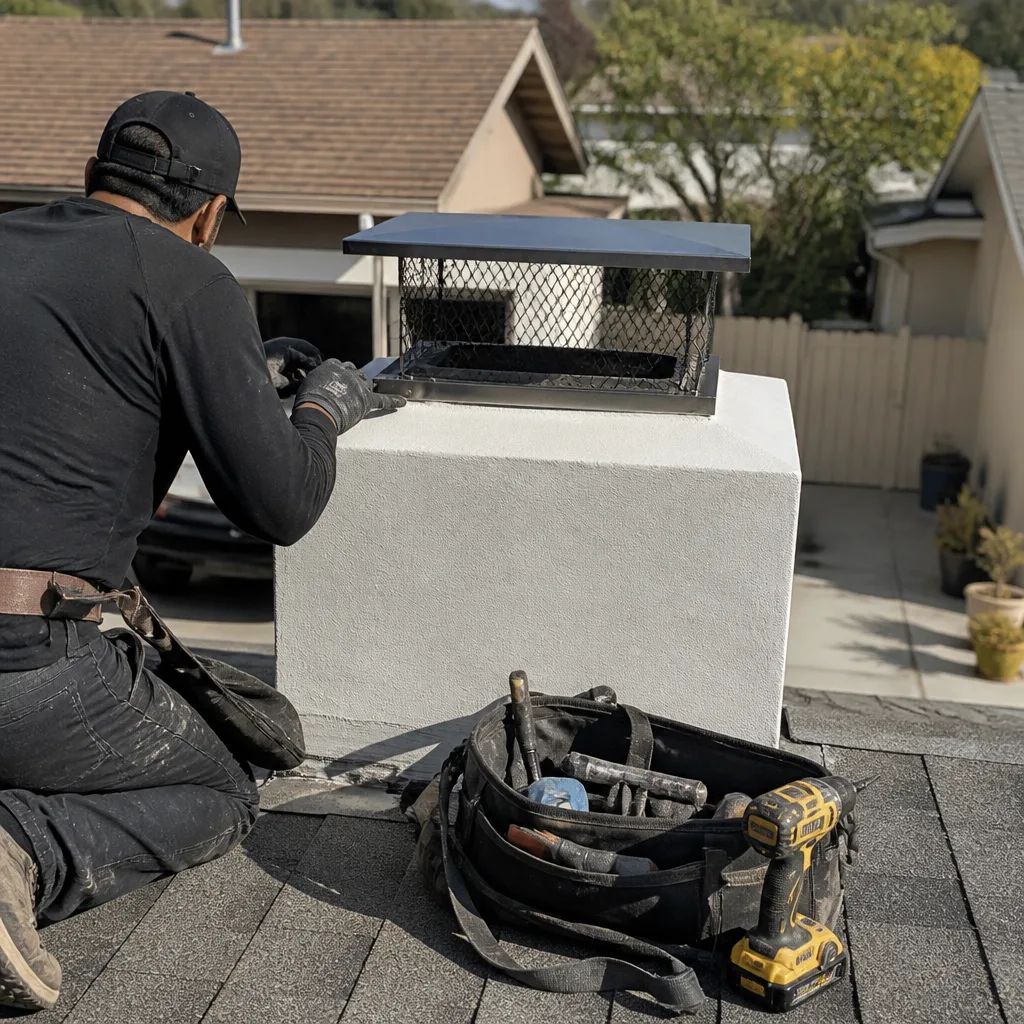 After