
Last updated November 2, 2026
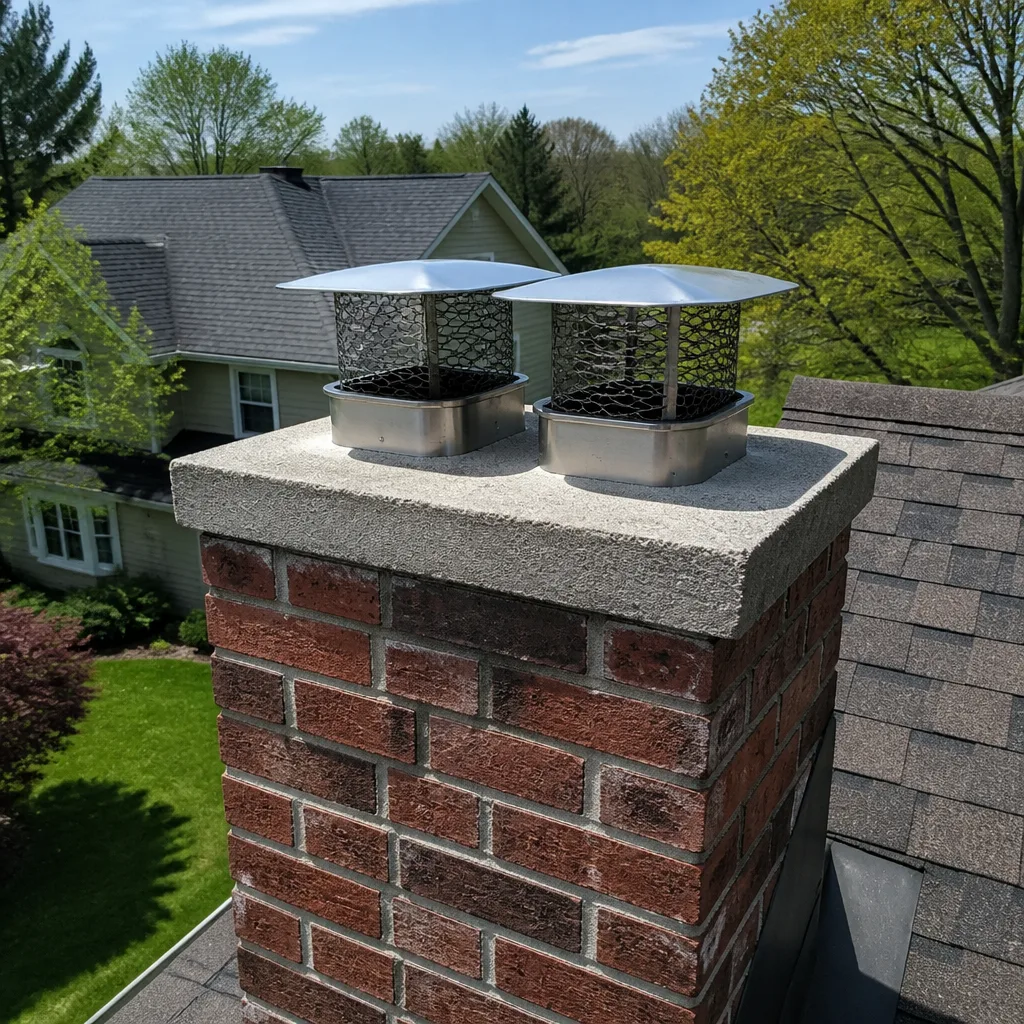 Sweep & inspection
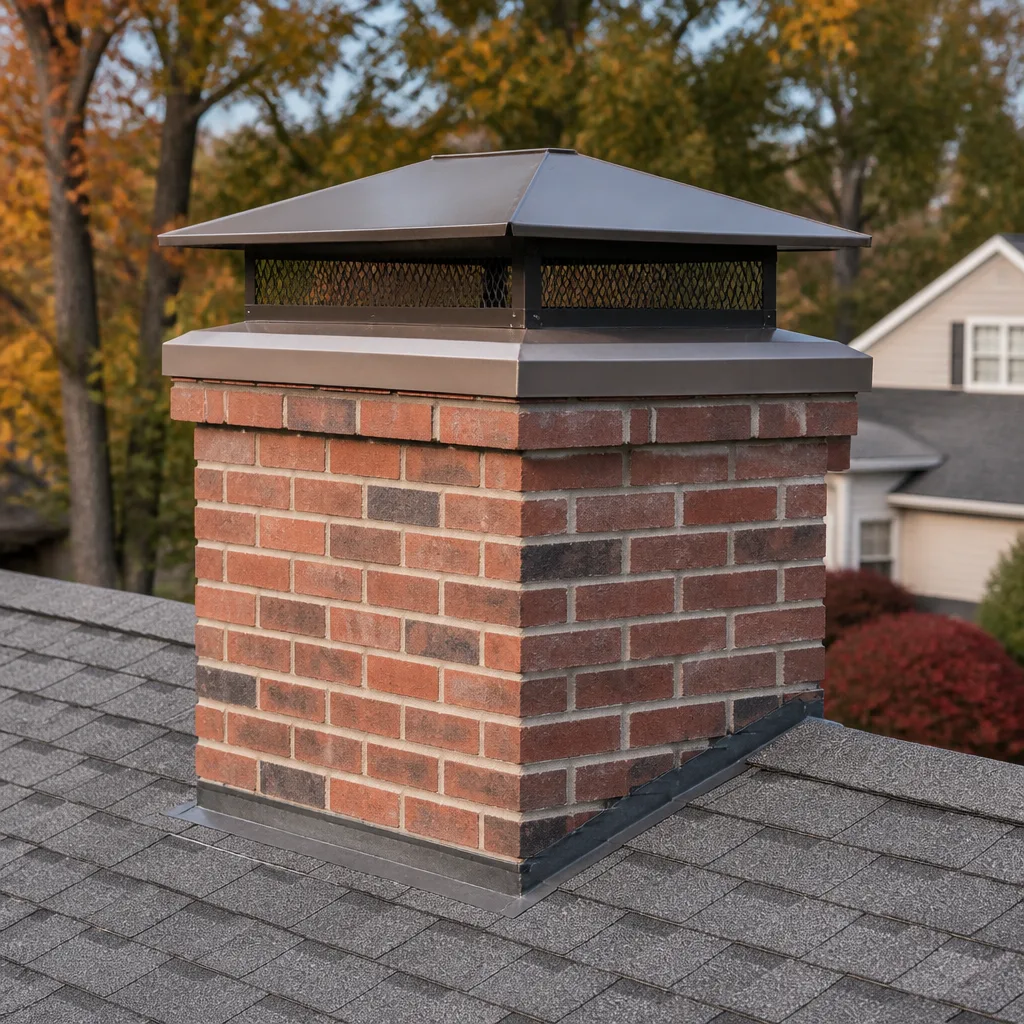 Caps & crowns
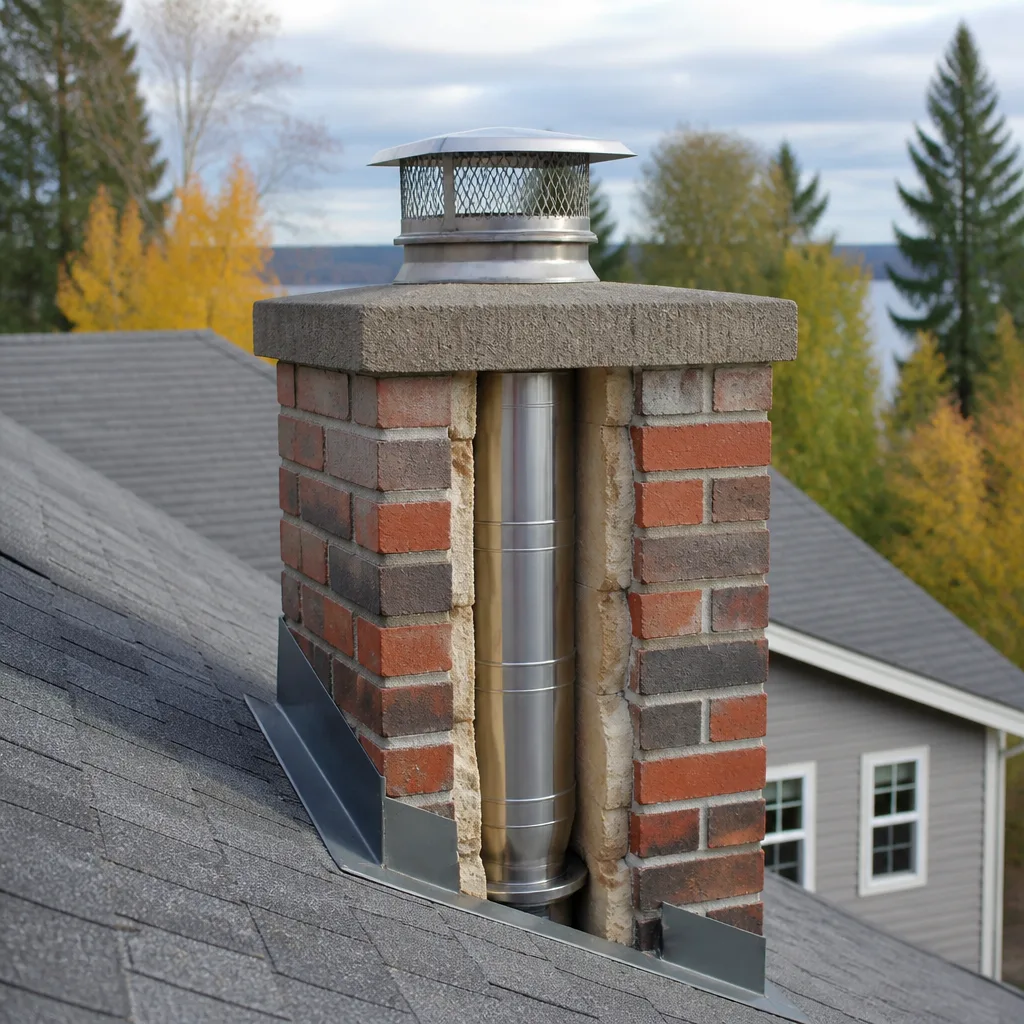 Flue relining
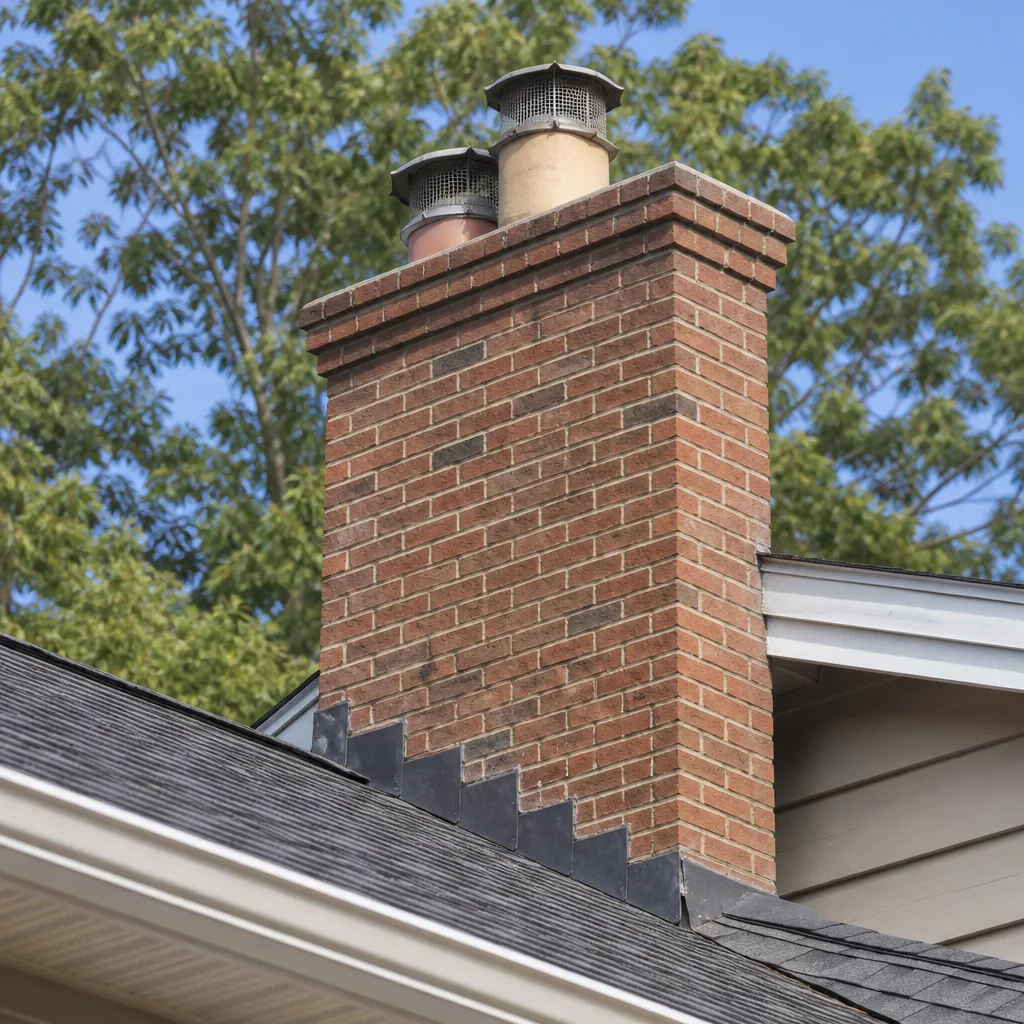 Masonry repair
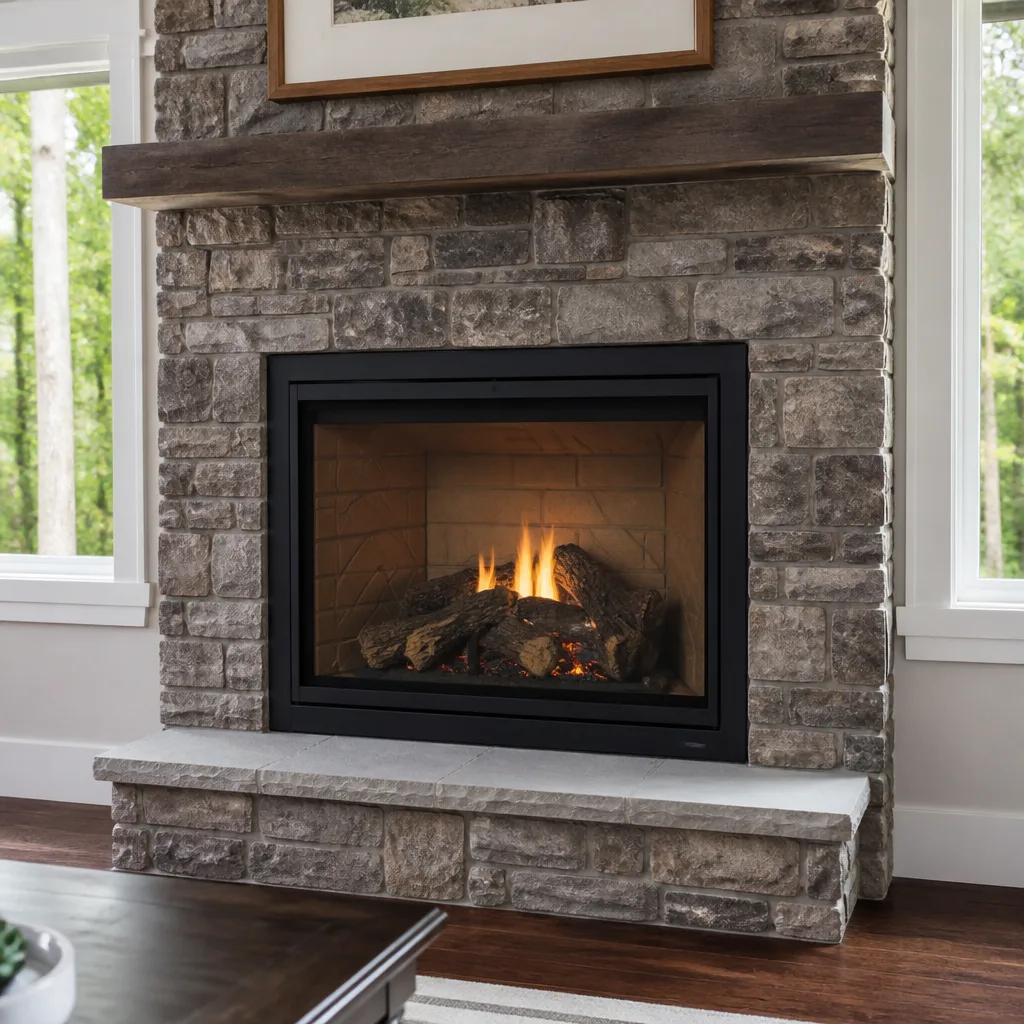 Gas fireplace service
Level 1 sweep and inspection to the NFPA 211 annual standard - flue, crown, cap, and flashing checked and photographed
Chimney sweep logs do not sweep chimneys. They loosen some creosote - which then falls where a brush and vacuum still have to collect it.
Chimney Sweep Troubleshooting: Common Problems and How to Fix Them
If your fireplace smokes into the room, the internet will tell you to open a window. That’s a band-aid that masks whether you have a $90 cleaning problem or a $900 relining problem. Homeowners in San Marcos face a specific set of chimney issues shaped by coastal humidity, wildfire-season pressure shifts, and the fact that many homes here were built before modern energy-efficiency standards changed how fireplaces breathe. This complete chimney sweep guide for San Marcos homeowners walks you through reading your chimney’s actual signals: the smells, stains, sounds, and smoke behavior that tell you what’s really going on inside your flue. You’ll learn which problems are urgent, which can wait, and when a professional eye is the only honest answer.
Quick Answer
Most chimney problems boil down to one of four root causes: creosote buildup restricting airflow, a physical blockage (nests, debris, collapsed liner), water infiltration weakening the masonry or liner, or negative house pressure pulling smoke backward. Fixing the wrong root cause wastes money and leaves the fire hazard in place. Start with a visual inspection of your firebox and damper, smell the flue on a damp day, and check for white staining on exterior brick before calling anyone for a diagnosis.
Styles & brands we work with
- Sweep & inspection
- Caps & crowns
- Flue relining
- Masonry repair
- Gas fireplace service
Table of Contents
- The Smoky Fireplace: Three Causes That Look Identical
- What Your Chimney Smells Like and What Each Smell Means
- White Staining on Your Chimney: Efflorescence as an Early Warning
- How to Do a Basic Firebox Self-Inspection With Just a Flashlight
- Stop-Use Emergencies vs. Watch-and-Schedule Situations
- Why Modern San Marcos Homes Suffer Negative Pressure Draft Failure
- Liner Damage: The Problem Sweep-Only Companies Miss
- The Dryer Vent Connection: Why Your Chimney Guy Should Check Both
The Smoky Fireplace: Three Causes That Look Identical
Smoke rolling into your living room always looks the same from the couch. But the fix can cost $90 or $900 depending on what’s actually behind it. Here’s how to start telling the difference before you call anyone.
Cause 1: Draft Failure From a Cold or Blocked Flue
A chimney works because hot air rises and pulls smoke up with it. When the flue is cold, or when creosote has narrowed the passage, that upward pull weakens. The smoke follows the path of least resistance, which is often into the room. This is the most common cause we see in San Marcos during shoulder season: November evenings when the chimney is cold and the homeowner lights the first fire of the year without warming the flue first.
You can test this yourself by holding a lit match near the damper opening before you build a fire. If the flame leans away from you and up the flue, the draft is working. If it flickers toward the room, the flue is fighting you. A weak draft from creosote restriction is a cleaning problem, not a structural one. The Chimney Sweep in San Marcos service resolves this with a mechanical sweep that removes the tar-like deposits narrowing your flue passage.
Cause 2: Physical Blockage
San Marcos sits in a migration corridor for several bird species, and chimney caps without proper screening become nesting sites. A fully built nest can block a flue entirely. Partial blockages from nests, leaves, tennis balls, and even raccoons create the same smoky symptom but carry an additional risk: burning embers near dry nesting material is a chimney fire waiting to happen.
This one is easy to rule in or out with a flashlight from below if you have a straight flue. Open the damper and look up. If you can’t see daylight, something is in the way. Do not try to burn it out. That’s how chimney fires start.
Cause 3: Negative House Pressure
This is the diagnosis that surprises people. In a tightly sealed, energy-efficient home, the house can’t pull in enough outside air to replace what the fire consumes. The chimney becomes a straw, and instead of smoke going up, outside air gets pulled down into the room when the fire is just getting started or dying down. If your smoke problem happens mainly at startup or when the furnace or bath fans kick on, this is likely your culprit. Opening a window a crack can alleviate it short-term, but the real fix often involves a specialized air-intake system or a review of exhaust sources in the home. Compensating without fixing the underlying airflow imbalance just masks whether you also have a creosote loading problem behind it.
What Your Chimney Smells Like and What Each Smell Means
Your nose is a diagnostic tool. Three smells come out of chimneys in San Marcos, and each points to a different problem.
The Creosote Tar Smell
Creosote smells like hot asphalt mixed with barbecue smoke. You’ll notice it most on humid days or after rain, when moisture activates the residue inside the flue. This smell means your chimney is loading up with creosote, which is the byproduct of incomplete wood combustion. The immediate issue is air quality in the house. The bigger issue is that creosote is combustible, and the thicker the layer, the higher the chimney fire risk. A chimney sweep removes the bulk of it. If the smell persists after sweeping, the creosote may have soaked into the porous masonry, and you’re looking at a sealing or resurfacing job instead.
The Wildlife Smell
Dead animal smell is hard to mistake. It’s sweet and putrid at the same time, and it gets worse as the temperature rises. Birds, squirrels, and rats can enter through uncapped flues or damaged chase covers. When they die in the flue or smoke chamber, the smell comes down like a fog. This is not a cleaning problem you want to handle yourself. Beyond the odor, a carcass in the flue is a blockage and a potential vector for disease. It also means something got in, which means something else can get in until the entry point is sealed.
The Water-Damage Smell
Damp masonry smell, like wet basement or old bricks after rain, tells you water is getting where it shouldn’t. In San Marcos, winter rains push moisture through cracked chimney crowns and failed flashing. Inside the home, that smell usually gets stronger in the wall cavity around the chimney. The water itself damages mortar joints, spalls brick faces, and rusts steel components like dampers and flue liners. If you smell this, you have a water management problem on the chimney, not a cleaning problem. Left untreated, it moves from smell to structural damage that costs real money to repair.
White Staining on Your Chimney: Efflorescence as an Early Warning
White, chalky staining on exterior brick is called efflorescence. It happens when water moves through masonry and deposits dissolved salts on the surface as it evaporates. Most homeowners notice it and assume it’s cosmetic. It isn’t.
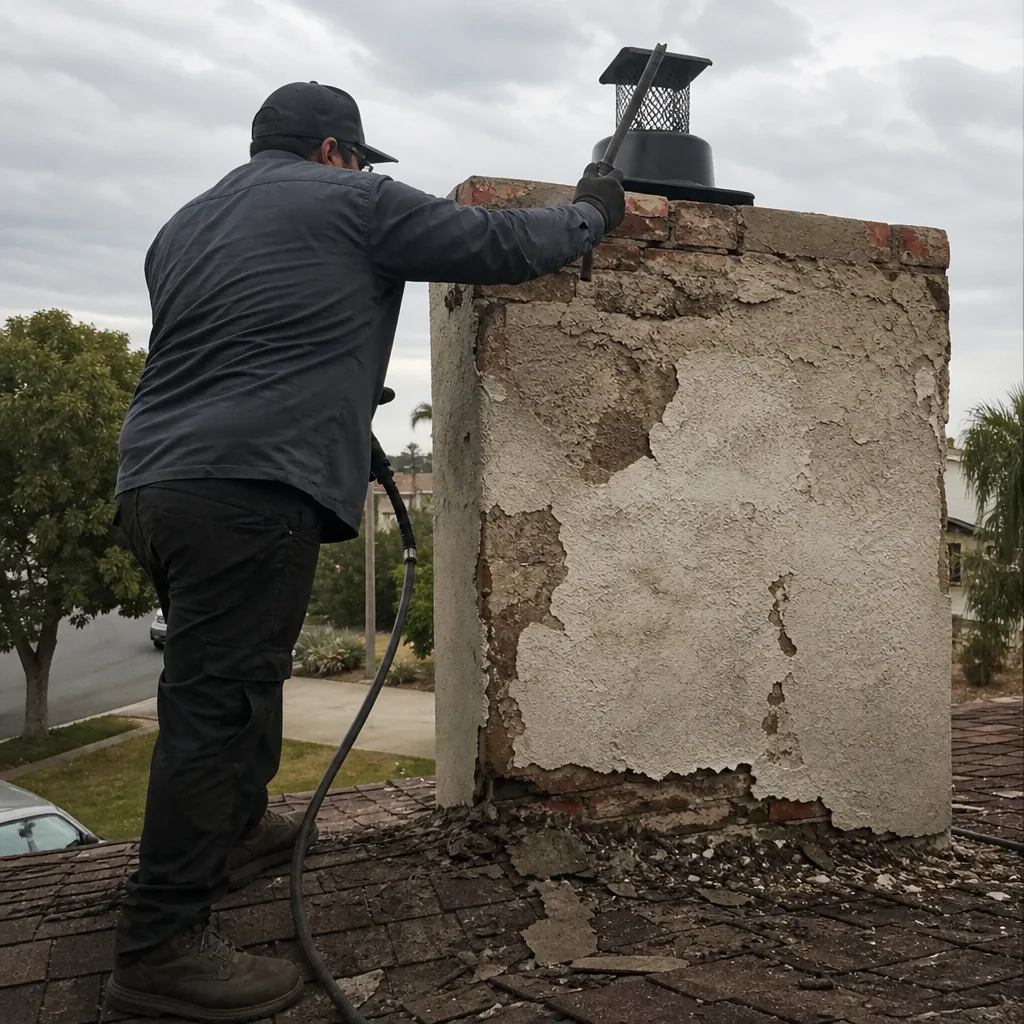
Efflorescence is the first visible sign that water is penetrating your chimney system. The same water that dissolves those salts is also corroding your damper assembly, weakening mortar joints behind the brick face, and potentially rusting a steel flue liner from the outside in. By the time you see cracking or spalling, the damage has been compounding for years.
In San Marcos, the cycle looks like this: winter rain saturates the chimney crown and brickwork, then spring and summer heat cycles expand and contract the masonry, widening hairline cracks. Efflorescence is the early symptom of that cycle. If you see white staining, the fix is almost always at the top of the chimney: replacing or sealing a cracked crown, repairing flashing, or installing a proper stainless chase cover. These are all part of what a Chimney Repair in San Marcos professional addresses directly. The efflorescence itself can be brushed off easily, but that’s cosmetic. The real work is stopping the water that created it.
How to Do a Basic Firebox Self-Inspection With Just a Flashlight
You don’t need tools to gather useful diagnostic information. A bright flashlight and five minutes will tell you more than hours of internet searching. Here’s the sequence.
- Clear the firebox: remove the grate, andirons, and any ash. You want an unobstructed view of the firebox floor and rear wall.
- Lay on your back and shine the flashlight straight up the flue. You’re looking for three things: daylight at the top (means the flue path is at least partially clear), black shiny deposits on the flue walls (creosote), and any hanging debris or obstruction.
- Inspect the firebox walls and floor. Look for cracked firebrick, missing mortar joints, and any brick that has shifted out of position. Small hairline cracks in firebrick are normal and usually not dangerous. Larger gaps or loose bricks are a structural issue.
- Check the damper. It should open fully and stay open without you holding it. A damper that’s rusted open, rusted shut, or falls closed on its own is a repair item.
- Look at the smoke chamber if you can see it. This is the area just above the damper where the flue widens. If the smoke chamber walls look rough, corbelled, or heavily creosoted, you’ve found the source of many draft problems.
What you’re looking for: white crusty deposits mean the flue is drying out from water. Black glossy tar means creosote. Brown or gray roughness in the smoke chamber often means the original parge coating has deteriorated, which disrupts airflow and makes the flue harder to clean. None of these observations require you to touch anything. We recommend leaving physical cleaning and repair to someone who does this work daily and carries professional liability insurance for it.
Stop-Use Emergencies vs. Watch-and-Schedule Situations
Some symptoms mean stop using the fireplace immediately. Others mean schedule a service call and avoid using the fireplace until the technician has looked at it. Here’s how we divide them.
Stop-Use Emergencies
- Smoke entering the room in volume at any point during a burn. Carbon monoxide is invisible and odorless, and smoke is the indicator you can see.
- You can hear or see cracking sounds from the chimney during a fire. Rapid creosote ignition makes a sound like a freight train or loud popping. This is a chimney fire in progress. Call 911, not a chimney company.
- Strong gas smell near the fireplace. If you have a gas log setup and smell gas, evacuate the room, don’t flip switches, and call your utility company.
- Any new structural crack that appears over a single burn season. Rapid change in masonry means something is moving.
Watch-and-Schedule
- White efflorescence staining that appears gradually. Water entry is happening, but slowly. Schedule an inspection and stop using the fireplace if the smell of dampness reaches the living space.
- Mild smoke on startup that clears when the fire is hot. Likely a cold-flue draft issue. You can often manage this by warming the flue with a rolled newspaper torch before laying your fire.
- A tar smell only on humid days. Creosote is present but may not be at an urgent level yet. Schedule a sweep.
- Damper that’s stiff but operable. Lubrication or minor adjustment may be all that’s needed. Report it at your next service visit.
The distinction matters because treating an emergency as routine risks lives, while treating a routine issue as an emergency wastes money. A professional diagnostic visit resolves the difference.
Why Modern San Marcos Homes Suffer Negative Pressure Draft Failure
San Marcos has seen extensive new construction and whole-home energy retrofits over the past two decades. Modern building science is good for energy bills and terrible for open fireplaces. The problem is this: a fire consumes hundreds of cubic feet of air per minute, and a tight house has no replacement air supply. The chimney becomes an intake vent, and smoke gets pulled into the room.
This issue is common in newer developments throughout San Marcos where homes meet stricter envelope standards. The telltale sign is a fireplace that draws fine once the fire is roaring but spills smoke at startup and when the fire burns down. Running a kitchen exhaust fan or a clothes dryer during a fire makes it worse. So does running the furnace, which creates a competing draft.
There’s no amount of chimney cleaning that fixes a house-pressure problem. If you sweep a clean flue in a tight house, you’ll still get smoke spillage. The diagnostic step is to observe when the smoke happens. If it correlates with exhaust appliances running or with startup and cooldown, the chimney may not be the primary issue at all. The fix typically involves mechanical outside-air intake, which is a ventilation modification rather than a chimney repair. A specialist who understands both chimney systems and house pressure dynamics can tell you which side of the window the problem is on. The Chimney Cleaning San Marcos home service includes this type of diagnostic thinking because it’s part of doing the job correctly, not just doing the sweep.
Liner Damage: The Problem Sweep-Only Companies Miss
A professional chimney sweep removes creosote. That’s it. If the sweep doesn’t include a visual inspection of the flue liner with a camera, and the technician isn’t qualified to repair what the camera finds, you’re only getting half the service. Here’s what sweep-only operators don’t tell you: the act of sweeping a damaged liner can make the damage worse.
Terracotta flue tiles crack over time. The cracks let heat and gases reach the brickwork behind the liner. In some cases, the tile liner has separated entirely, which you can’t see from the firebox. A steel liner rusts from condensation and creosote acids. When a sweep runs a brush through a flue with cracked tiles, the brush can catch edges and dislodge already-loose sections. What was a hidden problem becomes an urgent one.
The professional answer is a camera inspection before and after cleaning. That’s standard practice for us, not an upsell. If the camera shows cracked tiles, we talk about resurfacing with HeatShield or relining with DuraFlex or Copperfield stainless. These are the same materials used by certified chimney professionals nationwide. If the camera shows a clean flue, we tell you that plainly and you don’t buy anything you don’t need. The point of working with someone who offers repair alongside cleaning is that you’re not handed off to a stranger when the scope changes. We find it, we fix it, and you see the evidence either way.
The Dryer Vent Connection: Why Your Chimney Guy Should Check Both
Your chimney and your dryer vent are the two flues in your house that move combustion byproducts and hot air out. They fail in similar ways: lint and creosote are both combustible deposits, and both systems suffer from blockage and airflow restriction. Yet most homeowners call a chimney company for one and a different company for the other.
There’s a practical reason to have both inspected together. A clogged dryer vent is one of the leading causes of residential fires in the United States, often caused by the same neglect pattern we see in chimneys: out of sight, out of mind. The Dryer Vent Cleaning in San Marcos service addresses the lint loading that restricts airflow and raises dryer motor temperatures, and it’s a natural companion to a chimney service call. One visit, both flues inspected, both fire hazards addressed. That’s the logic behind one call covering both fire hazards. You can book a chimney sweep and dryer vent cleaning in the same appointment, which saves you a second service fee and gets both systems on the same maintenance calendar.
Where this matters most in San Marcos: homes with retrofitted high-efficiency furnaces or tankless water heaters often end up using the old masonry chimney as a chase for a smaller vent pipe. That pipe vents combustion gases, and if the chimney crown or chase top is leaking, those metal vents rust out faster. A chimney specialist sees the cross-connection immediately. A generalist handyman might miss it entirely. Your flue is our only focus, which means we look for these cross-system failures on every visit.
Common Mistakes to Avoid
- Burning the blockage out. Lighting a fire to burn out a bird’s nest or squirrel debris is how chimney fires start in San Marcos every year. Nests are dry, creosote is combustible, and the flue may already be restricted. This is never the right move.
- Sealing the chase top without repairing the interior water damage first. If water has already penetrated the brick or liner, sealing the outside traps that moisture inside the system. The rot continues behind the seal. Water damage gets repaired from the inside out, then protected from the outside.
- Ignoring efflorescence because it’s “just cosmetic.” White staining is a diagnostic sign, not a flaw in the brick’s appearance. The water that causes it is actively damaging your chimney. Brushing the stain off without fixing the water entry is like wiping your nose and ignoring the cold.
- Using the fireplace during a red flag warning. San Marcos sits in wildfire country, and burning during high fire danger is both illegal and reckless. Embers from a chimney without a proper spark arrestor can travel. Check conditions before you light.
- Assuming a clean chimney means a safe chimney. Cleaning removes creosote, but a clean flue with a cracked liner or deteriorated smoke chamber is still dangerous. The camera inspection is the part that catches liner damage, and it’s not an optional add-on.
- Calling a generalist because “a chimney is just a hole in the roof.” Chimney systems involve thermodynamics, masonry, water management, and fire codes. A painter-turned-handyman with a brush doesn’t diagnose negative pressure or spot a failing liner. Specialists see what generalists don’t.
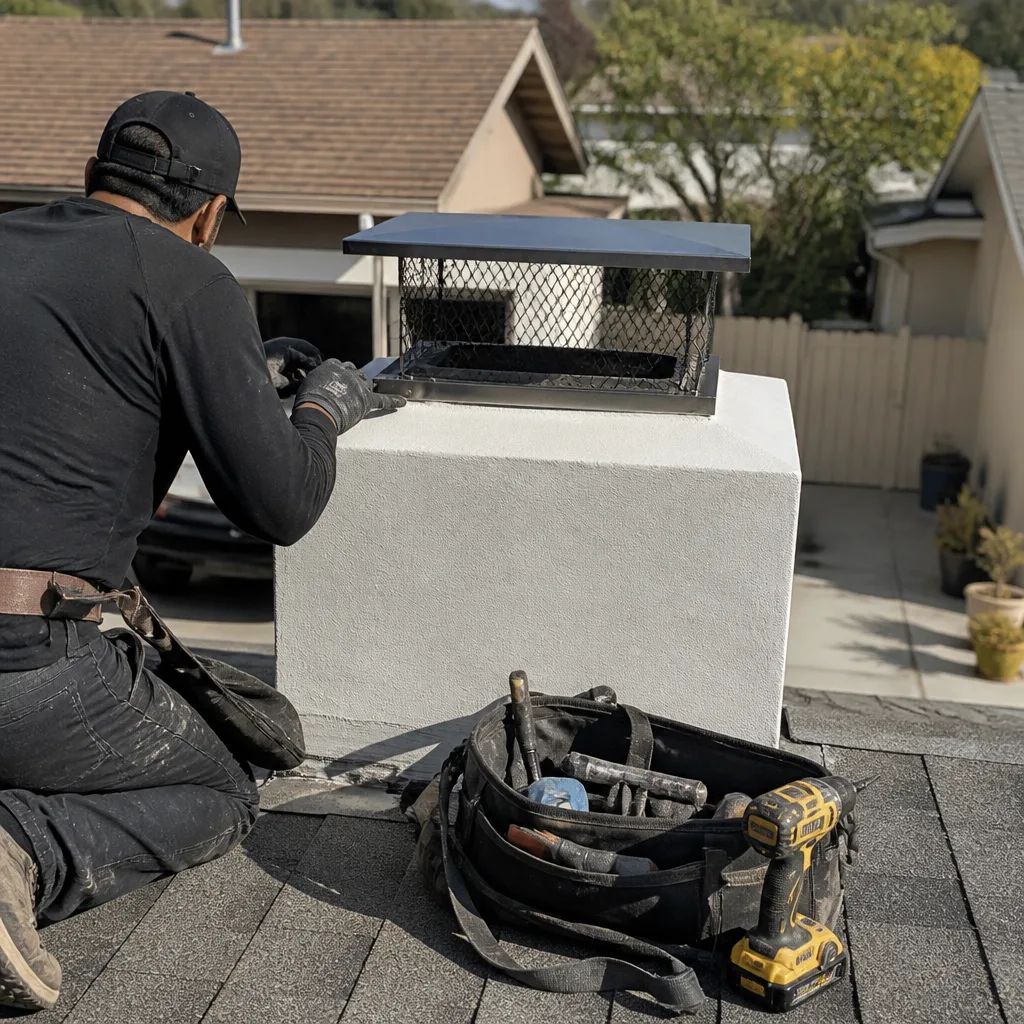
See the difference
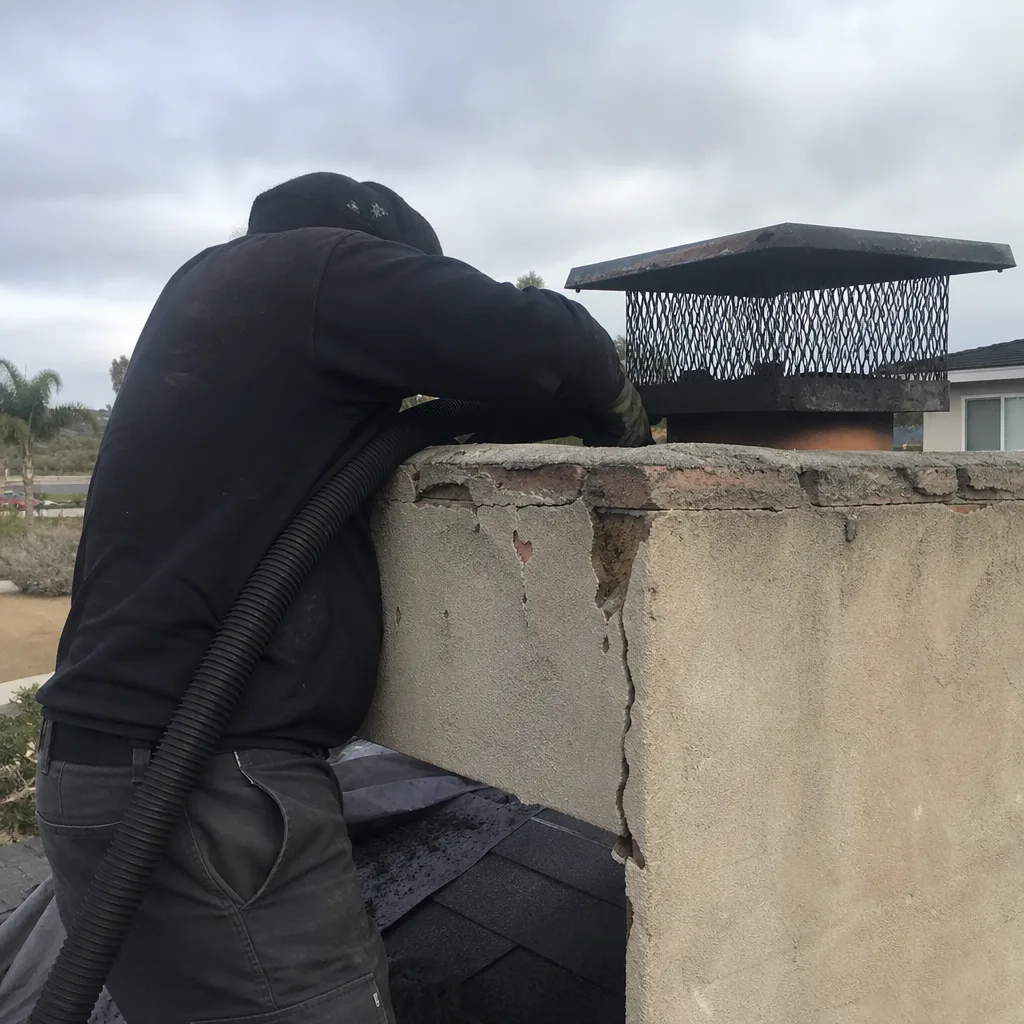 Before
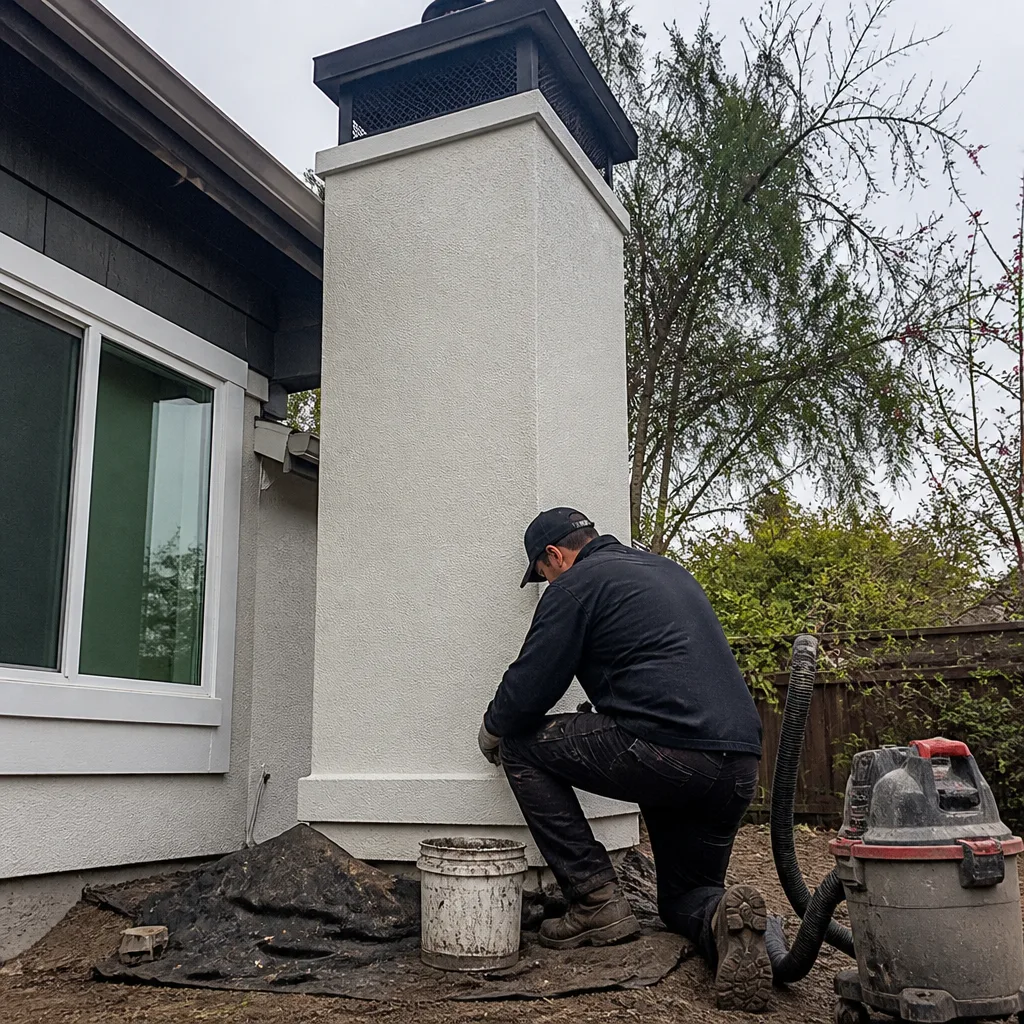 After
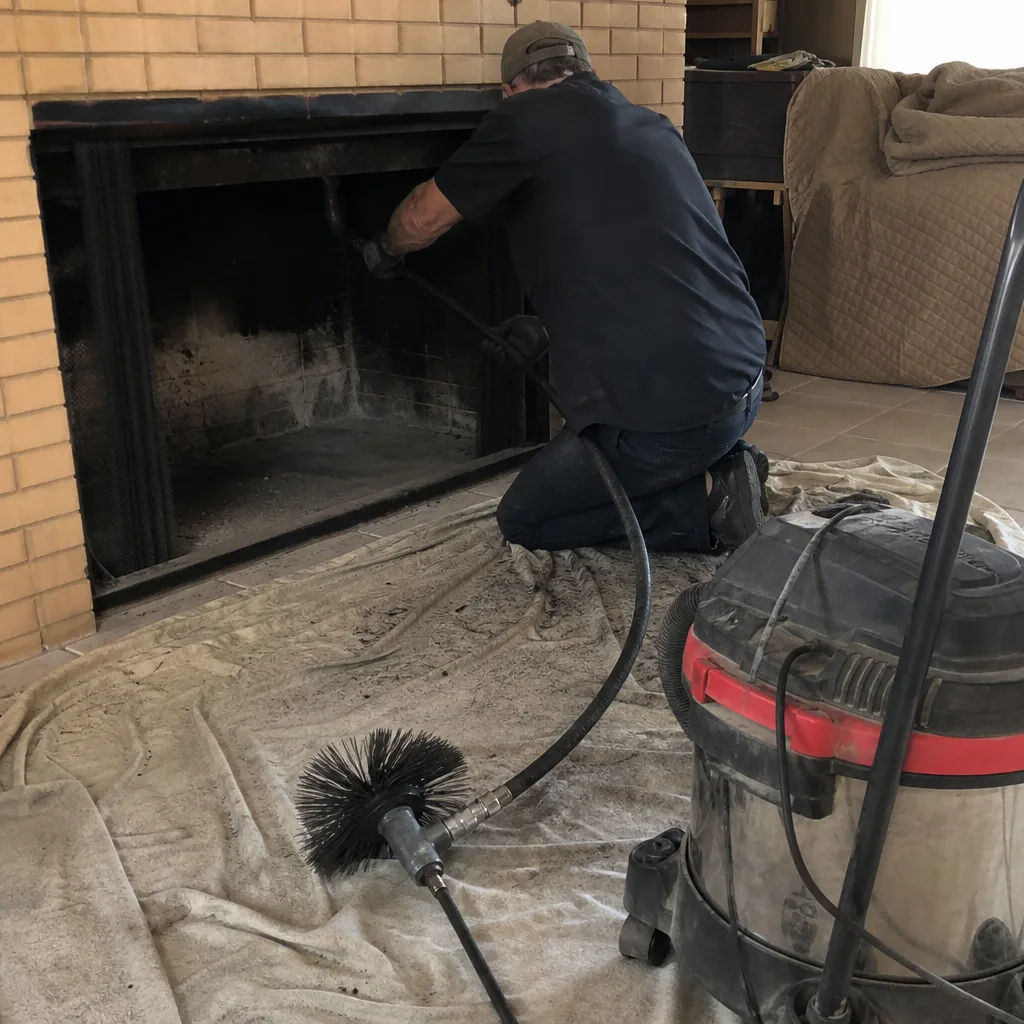 Before
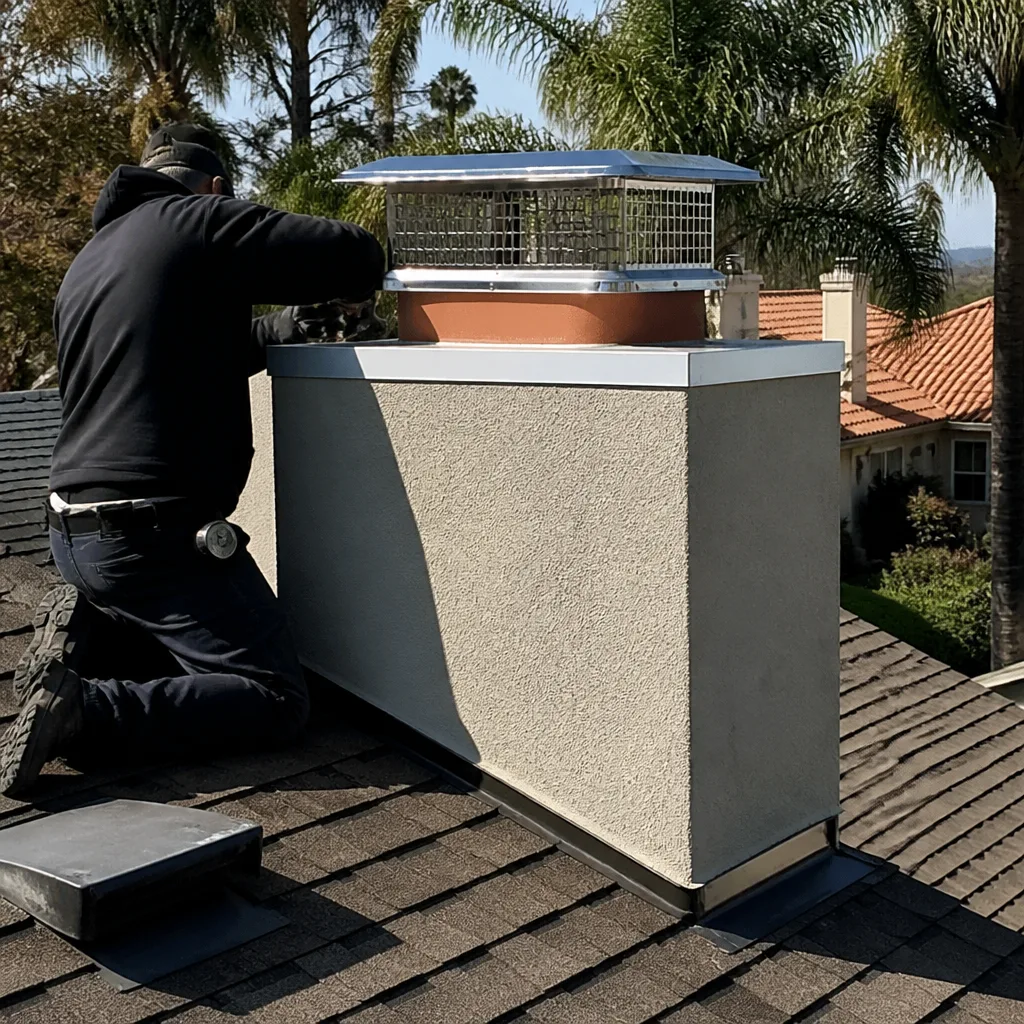 After
 Before
 After
When to Call a Professional
Call a professional the moment you see smoke entering the room in volume, smell gas, hear cracking sounds from the chimney during a fire, or spot structural cracks that appeared quickly. These are not DIY diagnostic situations. For watch-and-schedule items like efflorescence, tar smells on humid days, mild startup smoke, or a stiff damper, schedule an inspection at your convenience, but stop using the fireplace until the technician clears it. The diagnostic session matters more than the repair itself because it tells you which of the four root causes you’re actually dealing with. You don’t pay for a liner you don’t need, and you don’t ignore one you do. Chimney Cleaning San Marcos offers free estimates in San Marcos. Call (866) 651-2603 to book a camera inspection and get an honest read on what your chimney is telling you.
Frequently Asked Questions
A standard chimney sweep in San Marcos typically runs between $150 and $350, depending on flue condition, accessibility, and whether the chimney has been cleaned recently. If your fireplace smokes or smells, a basic sweep may resolve it, but if the camera inspection reveals liner damage or water entry, the total project cost increases accordingly. Call (866) 651-2603 for a free estimate, and you’ll get an exact quote before any work begins, or explore our more guides & resources to learn more.
You need a new liner or resurfacing only if the camera inspection shows cracked tiles, separated joints, or rust-through on a steel liner. Reputable companies show you the video. If someone recommends a liner without camera evidence, get a second opinion. At Chimney Cleaning San Marcos, nothing is recommended without visual proof you can see for yourself.
The National Fire Protection Association recommends a chimney inspection at least once a year, with cleaning performed when creosote buildup reaches 1/8 inch or when an obstruction is present. For San Marcos homeowners who burn fires regularly during winter months, an annual sweep timed for early fall is the standard. If you burn unseasoned wood at any point, you’re loading creosote faster and should have it checked more frequently.
Skipping cleaning allows creosote to build up, and creosote is combustible. At a certain thickness, a hot fire can ignite it, and you’ve got a chimney fire. Best case is a ruined liner. Worst case is the fire spreading to the house structure. Some homeowners get lucky for years. The risk compounds every burn season. The cost of a sweep is a fraction of a chimney fire restoration, which often runs into five figures.
You can, but you shouldn’t. A hardware store brush removes loose debris, but it doesn’t remove hardened glazed creosote, and it doesn’t tell you about liner damage, smoke chamber deterioration, or water entry. Worse, an aggressive DIY sweep can damage already-cracked tiles. The cleaning is the easy part. The inspection is where the real value is, and that requires a camera and the experience to read what it shows.
Summer humidity activates creosote residue and makes the tar smell stronger, especially in San Marcos where marine layer moisture pushes inland. The smell itself isn’t dangerous, but it’s a signal that creosote is present and thickening. A sweep removes the bulk of it. If the smell persists after a sweep, the creosote has likely seeped into the masonry and requires sealing, which is a repair item rather than a cleaning item.
The Bottom Line
Your chimney talks. Smoke in the room, tar smells on humid days, white staining on the brick, and draft behavior that changes with the weather are all communicable symptoms with specific root causes. The skill is in matching the symptom to the correct cause and fixing that. A chimney that smokes at startup may need air intake, not a sweep. A chimney that smells on damp days may need masonry sealing, not just cleaning. A chimney with efflorescence needs a water-management fix, not a detergent scrub. The remedy is knowing the difference. That’s what specialization buys you, and it’s why one call covers both fire hazards in your home. The Chimney Repair in San Marcos team brings the camera, the brands that matter (Gelco, Olympia Chimney, Famco, and Copperfield among them), and the repair capability to fix whatever the diagnosis reveals. Call (866) 651-2603 for a free estimate and find out what your chimney has been trying to tell you this whole time.
Written by the team at Chimney Cleaning San Marcos, serving San Marcos since 2018.