
Last updated November 3, 2026
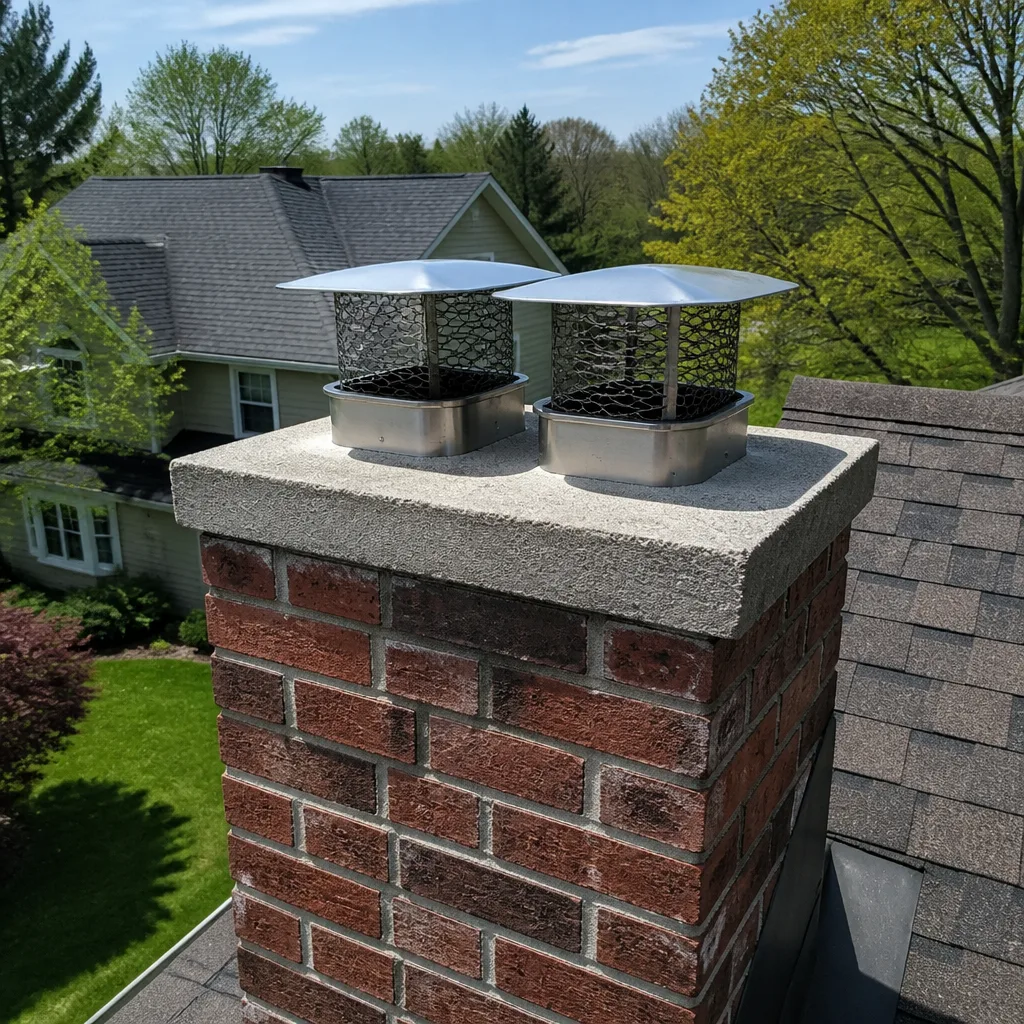 Sweep & inspection
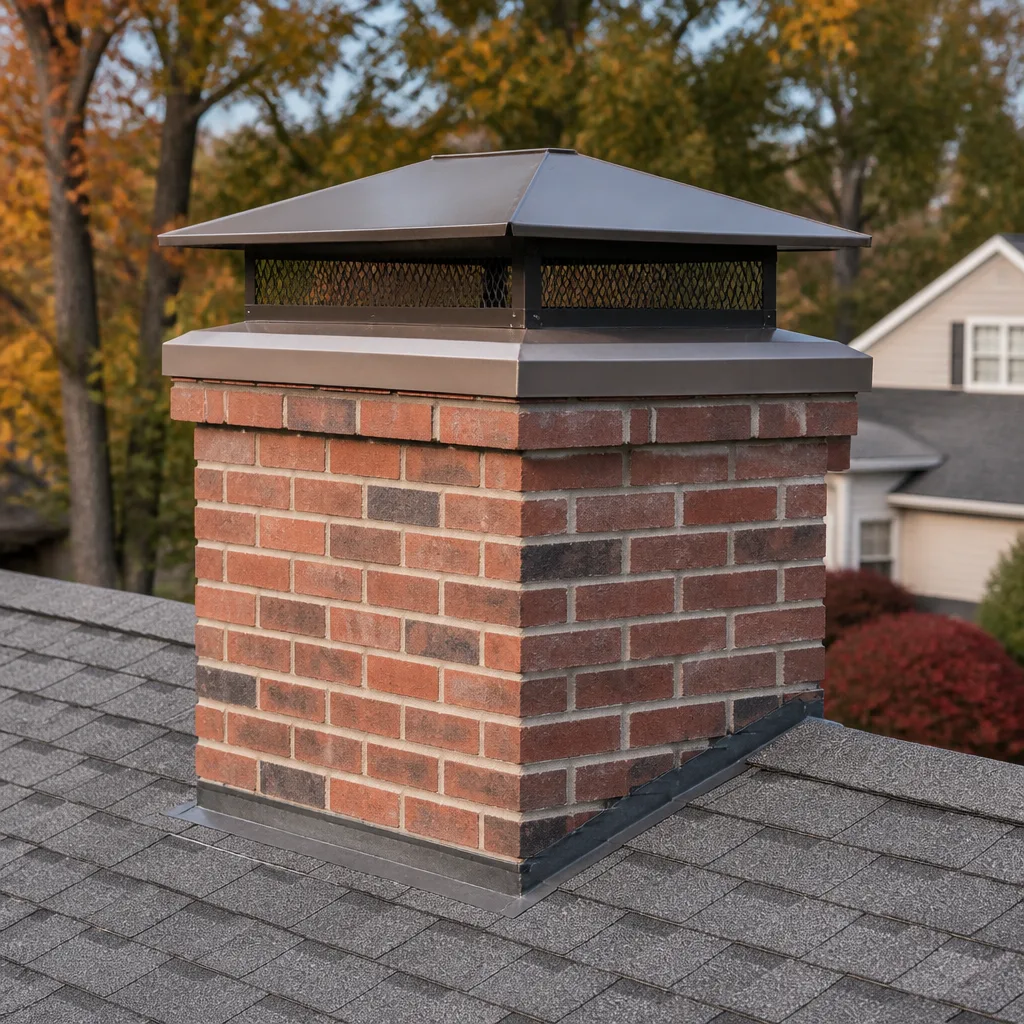 Caps & crowns
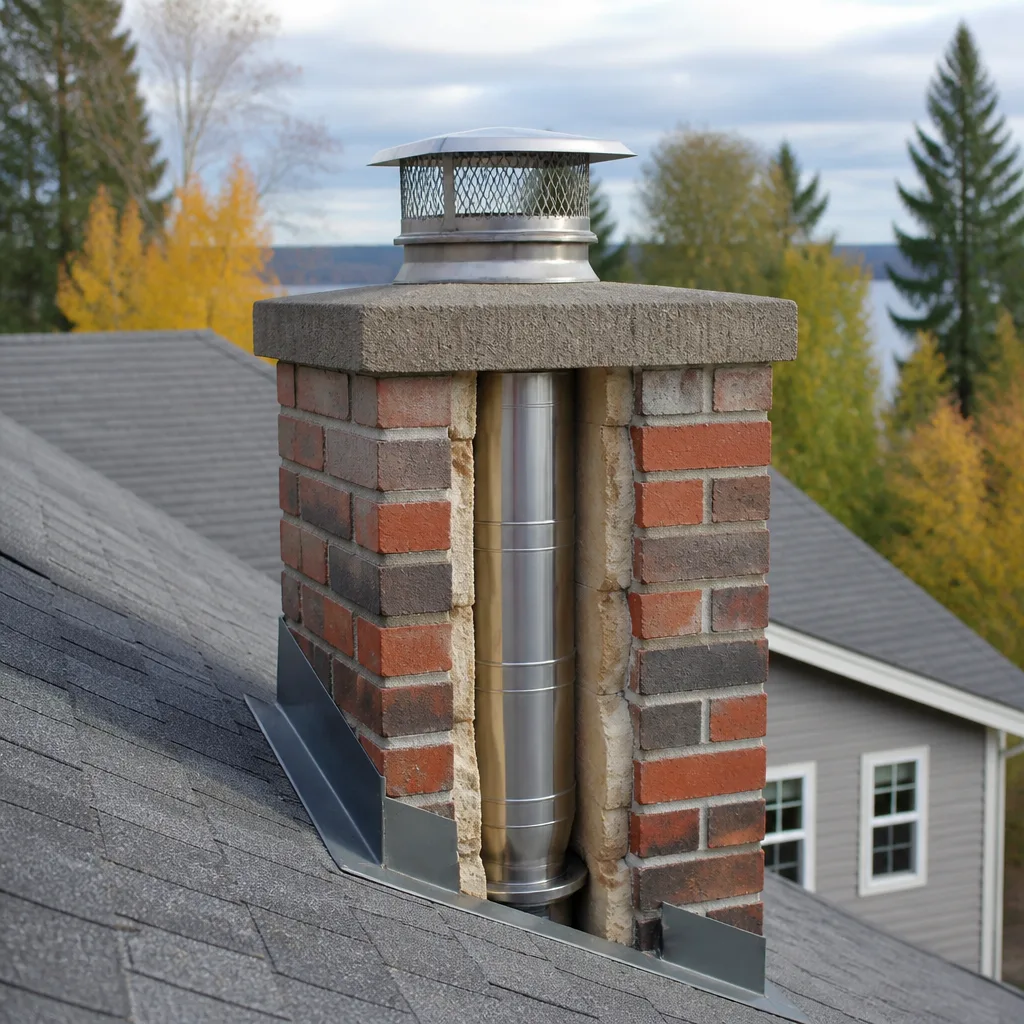 Flue relining
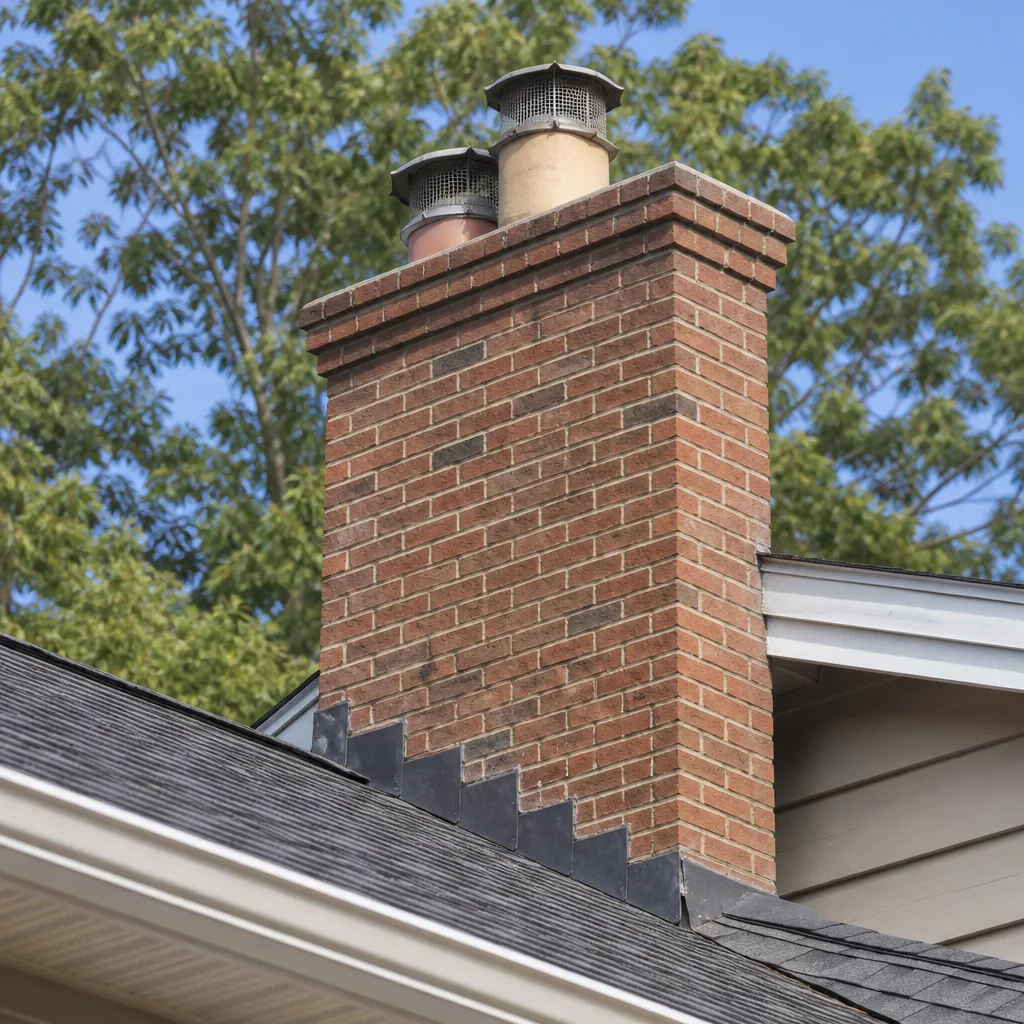 Masonry repair
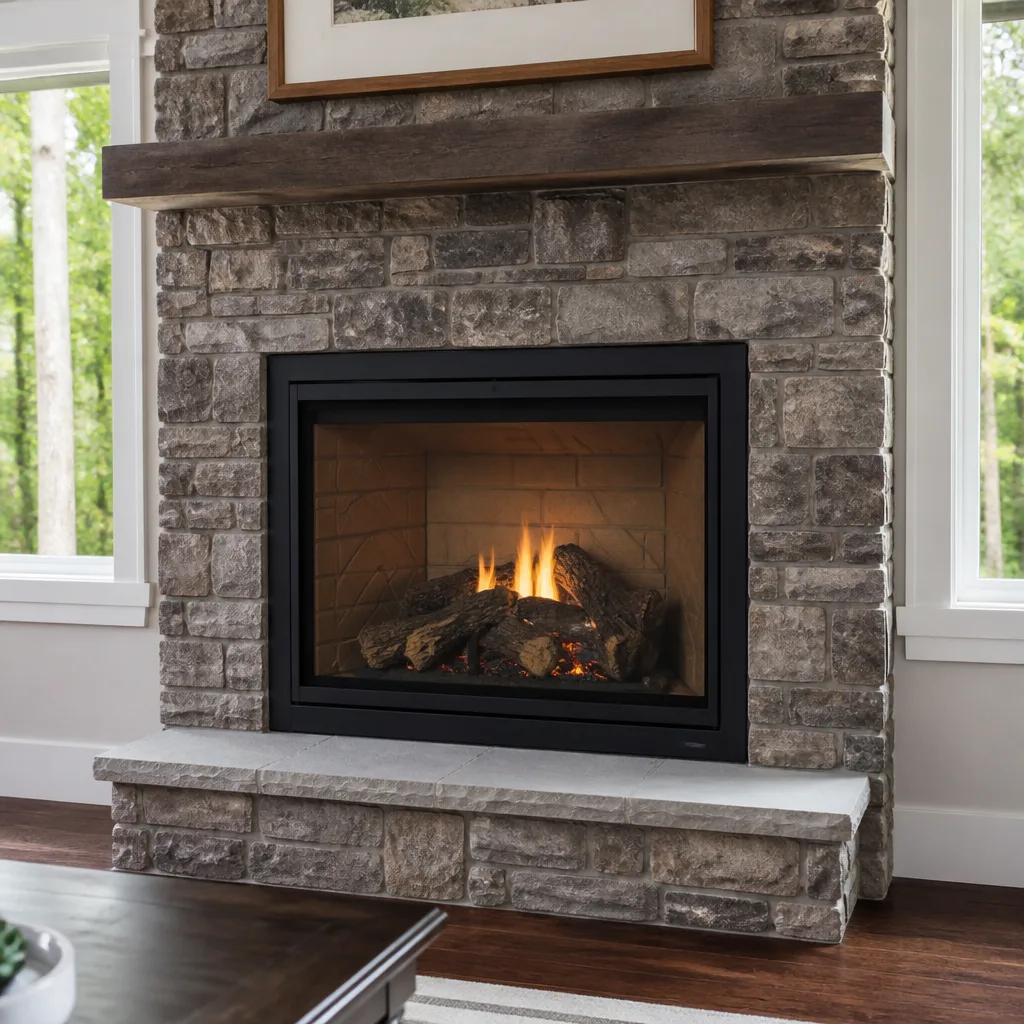 Gas fireplace service
Level 1 sweep and inspection to the NFPA 211 annual standard - flue, crown, cap, and flashing checked and photographed
Chimney sweep logs do not sweep chimneys. They loosen some creosote - which then falls where a brush and vacuum still have to collect it.
The Complete Chimney Sweep Guide for San Marcos Homeowners
Most chimney guides are written for cold-climate homeowners burning four or five cords of wood a season. San Marcos averages fewer than 20 fireplace-use days a year. That changes what you actually need done and when. This guide – along with The Complete Guide to Chimney Cleaning in San Marcos – explains how our mild coastal-inland climate affects creosote buildup, why rarely used fireplaces still corrode, what a Level 1 versus Level 2 inspection actually involves, and how to time your sweep around San Diego County’s fire season. If you own a fireplace or wood stove in San Marcos, this is the maintenance reality check you haven’t gotten from national advice.
Styles & brands we work with
- Sweep & inspection
- Caps & crowns
- Flue relining
- Masonry repair
- Gas fireplace service
Quick Answer
A chimney sweep in San Marcos typically costs between $149 and $289 and should be scheduled every 1 to 2 years for wood-burning fireplaces, even with light use. Gas fireplace chimneys need inspection less often but still require periodic checks for corrosion and venting blockages. The real risk in San Marcos isn’t heavy creosote buildup. It’s corrosion from marine air and debris from seasonal winds, both of which a standard sweep will catch before they become expensive repairs.
Table of Contents
- How Often Should You Sweep a Chimney in San Marcos?
- Creosote Accumulation in a Mild Climate: What’s Different Here
- Why Marine Air Corrodes Your Damper and Firebox
- Level 1 vs. Level 2 Inspections: Which One Do You Need?
- What Professional Tools Remove That Big-Box Vacuums Miss
- A Seasonal Maintenance Calendar for San Diego County
- Common Mistakes to Avoid
- When to Call a Professional
- Frequently Asked Questions
- The Bottom Line
How Often Should You Sweep a Chimney in San Marcos?
For wood-burning fireplaces used during San Marcos’s short winter stretch, schedule a sweep every 1 to 2 years. That’s the honest answer, and it differs from the “every year, no exceptions” advice you’ll find on sites aimed at Minnesota or upstate New York. Here’s why the standard rule doesn’t fully apply. The National Fire Protection Association (NFPA 211) says chimneys should be swept when creosote reaches 1/8 inch of buildup, not on a fixed calendar schedule. In San Marcos, most homeowners burn seasoned oak or store-bought duraflame-style logs on maybe 15 to 20 evenings between November and February. That produces far less creosote than a full season of daily burning in a cold climate.
But there’s a catch. Light use doesn’t mean no maintenance. In our experience, fireplaces that get used only a handful of times each winter still accumulate creosote, just a lighter, fluffier grade. That type of creosote, called Stage 1 or Stage 2, is easier to remove than the dense Stage 3 glaze you’d find in heavy-use chimneys, but it still ignites under the right conditions. A chimney fire doesn’t care how many cords you burned. It only cares whether combustible deposits are present.
The practical rule for San Marcos: sweep every two years if you burn less than half a cord per season. Sweep every year if you burn more than that, burn unseasoned wood, or notice any of the following: a strong campfire smell inside the house on warm days, black flakes falling into the firebox, or visible dark buildup on the damper when you shine a flashlight up. Those are signs the chimney needs attention now, not next season. For gas fireplaces, an inspection every 2 to 3 years is usually sufficient, but don’t skip it entirely. Gas flues produce corrosive byproducts that eat through metal liners over time. We cover that more in the corrosion section below.
Creosote Accumulation in a Mild Climate: What’s Different Here
Creosote forms when wood smoke condenses on cooler chimney walls. The amount that builds up depends on three things: how much you burn, what you burn, and how well your flue stays warm during use. San Marcos’s mild climate affects all three in ways that national guides don’t address.
First, the burn volume difference is obvious. San Marcos homeowners simply don’t burn as much wood as someone in Flagstaff or Bend. But the quality issue matters more than most people realize. In Southern California, a lot of firewood comes from local suppliers who may not kiln-dry their stock the way cold-climate firewood dealers do. Unseasoned eucalyptus and oak, both common here, produce more smoke and more creosote per log than properly dried wood. We’ve pulled surprisingly heavy Stage 2 creosote from chimneys in San Elijo Hills where the homeowner swore they only burned “a few fires all winter.” The culprit was wet wood from a grocery store bundle.
Second, flue temperature matters. Creosote condenses fastest in a cold flue. In a cold climate, the chimney liner gets freezing cold between fires, but it also gets very hot during them, which helps burn off some light creosote. In San Marcos, the temperature differential isn’t as extreme. The flue never gets bone-chilling cold, but fires are often smaller and shorter (a living room will overheat quickly when it’s 55 degrees outside, not 10 below). That means the flue may not reach the temperature needed to fully combust creosote precursors. The result is creosote that forms slowly but sticks around.
Third, what you burn changes the math. Many San Marcos homes use Duraflame or similar manufactured logs. These burn cleaner and produce less creosote than cordwood, but they’re not zero-maintenance. The binder ingredients in manufactured logs can leave a thin, waxy film on flue walls. Over multiple seasons, this film traps soot particles that would otherwise blow out the top. A sweep every other year handles this easily. Waiting five years turns it into a sticky mess.
The takeaway: don’t assume your chimney is clean just because you rarely use it. Light, intermittent burning produces creosote unpredictably, and the mild climate means it doesn’t burn away on its own. The Chimney Sweep in San Marcos service we provide always includes a creosote-level assessment so you know exactly what you’re starting with and what you’re left with after.
Why Marine Air Corrodes Your Damper and Firebox
San Marcos sits about 10 miles from the coast. That’s far enough to avoid daily marine fog in most neighborhoods, but close enough that salt-laden air rides inland on afternoon breezes, especially during May gray and June gloom. This coastal influence has a direct effect on metal chimney components, and it’s a problem national chimney guides don’t discuss because it doesn’t happen in Ohio or Tennessee.
Salt particles in marine air are hygroscopic. They attract and hold moisture. When those particles settle inside your chimney flue, they create a micro-environment where the metal damper, firebox grate, and even the liner stay damp longer than they would in a drier inland air mass. Over time, that persistent moisture accelerates rust on cast-iron dampers and steel firebox panels. We’ve seen dampers in San Marcos homes that look like they’re 40 years old after only 12 years of service, purely from corrosion. The homeowner rarely notices because the damper is hidden above their line of sight, and because they use the fireplace so infrequently that the squeaking or stiffness doesn’t register.
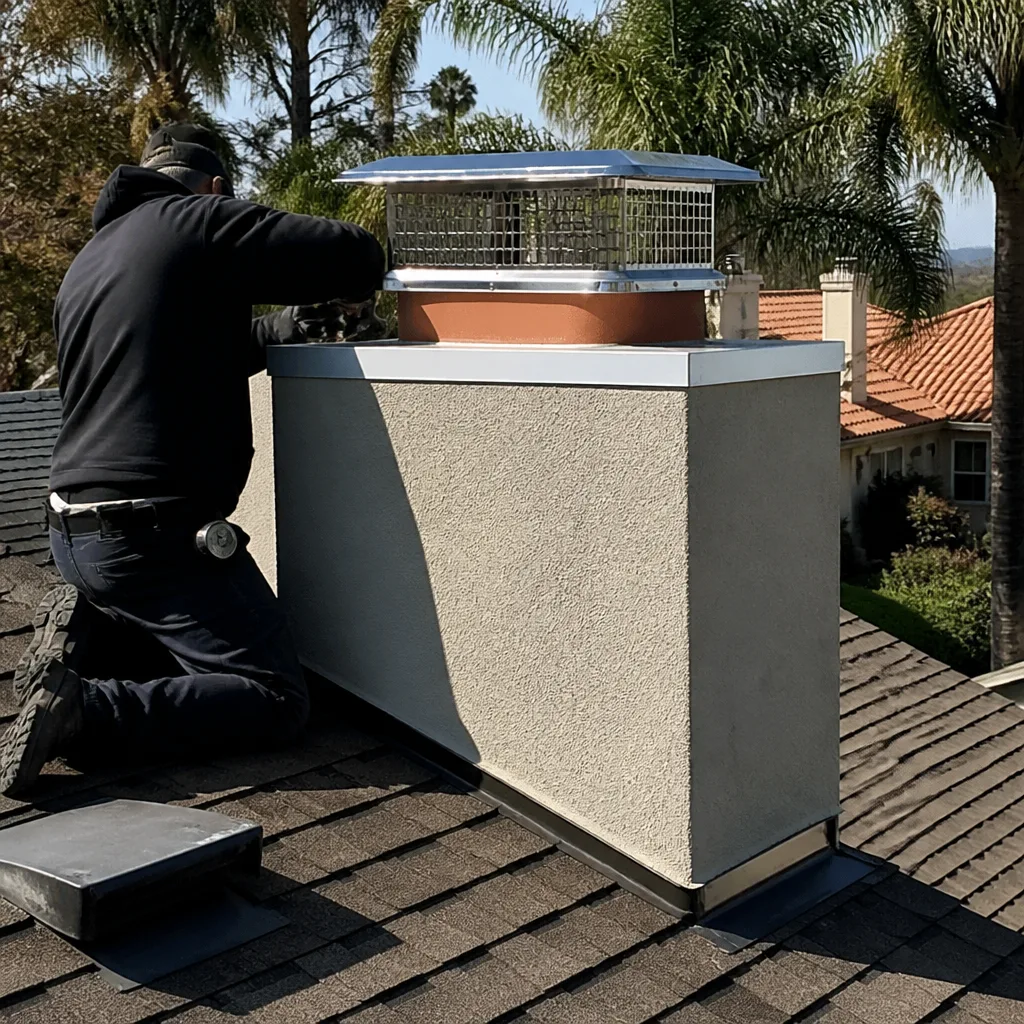
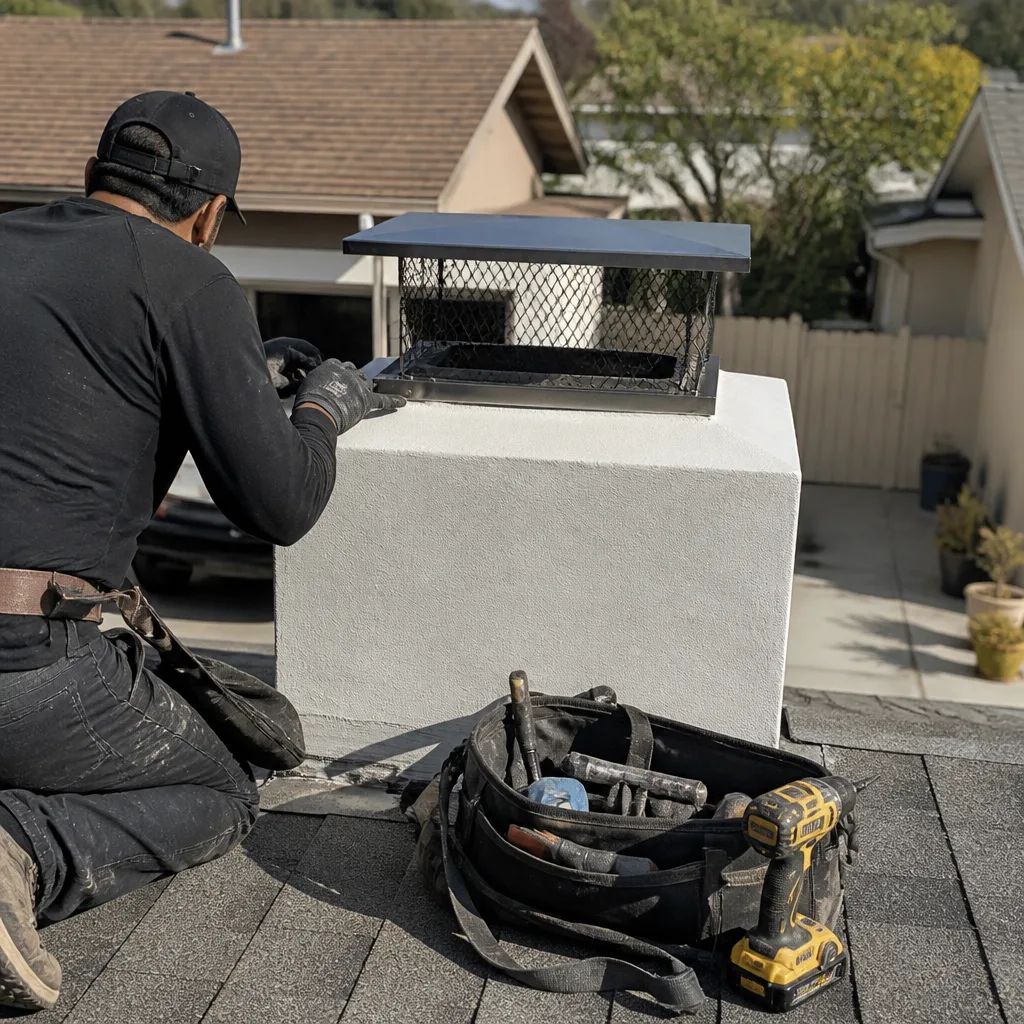
The same marine air affects chimney caps and spark arrestors. Galvanized steel caps from big-box stores corrode visibly within 5 to 7 years in San Marcos. Stainless steel caps hold up much longer, which is why the suppliers we work with, including Olympia Chimney and Famco, matter. Professional-grade stainless components are built for coastal exposure. Cheap galvanized parts are not.
Gas fireplaces face a different corrosion vector. Natural gas combustion produces water vapor and mildly acidic condensate. In a mild climate, that condensate tends to pool inside the flue liner rather than evaporating quickly. Over years, this eats through aluminum liners (common in older gas installations) and compromises the mortar joints in terra cotta flues. A homeowner who thinks a gas fireplace needs no maintenance may not discover the corroded liner until it leaks exhaust into the wall cavity, which is exactly what an inspection is designed to prevent.
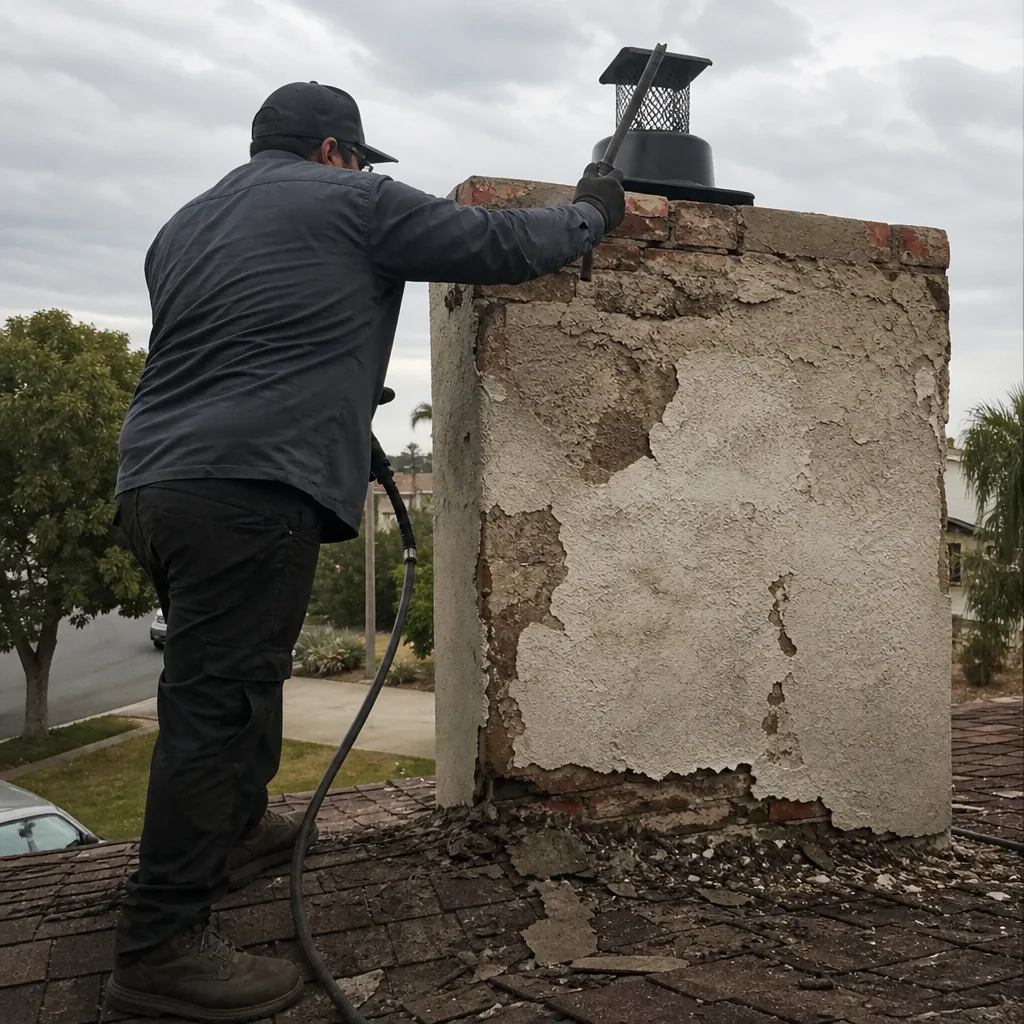
The practical implication: even if you never burn a single wood log all year, your chimney and its metal components need a visual check periodically. In San Marcos, corrosion is the more realistic threat than creosote for many homes. A sweep that includes a corrosion assessment catches damper rust, cap deterioration, and liner condensation damage before they require a Chimney Repair in San Marcos job.
Level 1 vs. Level 2 Inspections: Which One Do You Need?
Under NFPA 211, the national standard for chimney inspection and maintenance, there are three levels of chimney inspection. Level 1 and Level 2 are the ones San Marcos homeowners actually encounter. Here’s the difference and when each one applies.
At its simplest: a Level 1 inspection is a visual check of all accessible chimney components. A Level 2 inspection includes everything in Level 1 plus documented inspection of concealed areas, often using a camera. Here’s what you need to know about when each is appropriate.
Step-by-Step: Level 1 vs. Level 2 for San Marcos Homeowners
- Level 1 is the right choice when: your chimney system has not changed since the last inspection, you’re continuing the same burning pattern, and you’re not buying or selling the home. This is the standard inspection that should accompany every routine sweep. It covers the accessible portions of the flue, the damper, the firebox, and the exterior chimney structure.
- Level 2 is required when: you’re buying or selling a home with a fireplace or wood stove, you’ve changed the appliance (e.g., installed a gas insert where a wood-burning fireplace used to be), you’ve had a chimney fire, or the chimney was affected by a significant weather event or earthquake. San Marcos sits in a seismically active region, so any shaking event near your home is a legitimate trigger for a Level 2 inspection.
- A Level 2 inspection typically involves running a camera up the flue from the firebox or down from the crown to look at liner condition, mortar joints, and any hidden gaps or blockages. If you’re buying a home in San Marcos, a home inspector’s general chimney note is not the same as a Level 2 chimney inspection. The home inspector may flag “visible creosote” and move on. A Level 2 chimney inspection goes substantially deeper.
For most San Marcos homeowners with a wood-burning fireplace they use seasonally, a Level 1 inspection during a routine sweep is sufficient. But after a home sale, after installing or replacing a fireplace insert, or after any chimney fire event, a Level 2 is not optional. It’s the standard of care.
Here’s where San Marcos’s wildfire history enters the equation. The 2007 Witch Creek and 2014 Poinsettia fires deposited significant ash and debris across North County. Homes in older San Marcos neighborhoods that had open chimneys or damaged caps during those events sometimes had debris fall into the flue. That material can sit on the smoke shelf for years, blocking airflow and creating a secondary creosote trap. If you own a pre-2007 home in San Marcos and have never had the chimney camera-inspected, a Level 2 inspection is worth doing once. It establishes a baseline and determines whether prior wildfire debris is present.
Our Chimney Cleaning San Marcos home service area includes both standard sweeps with Level 1 inspection and camera-assisted Level 2 inspections. The right scope depends on your home’s history and what you discover together.
What Professional Tools Remove That Big-Box Vacuums Miss
This section gets at the core difference between what a professional sweep accomplishes and what a DIY or discount service does. The toolset matters because creosote is a sticky, sometimes hardened substance that resists casual removal. A big-box shop vac with a brush attachment will displace the loose soot near the top of the firebox. It won’t remove the creosote that’s bonded to the flue walls.
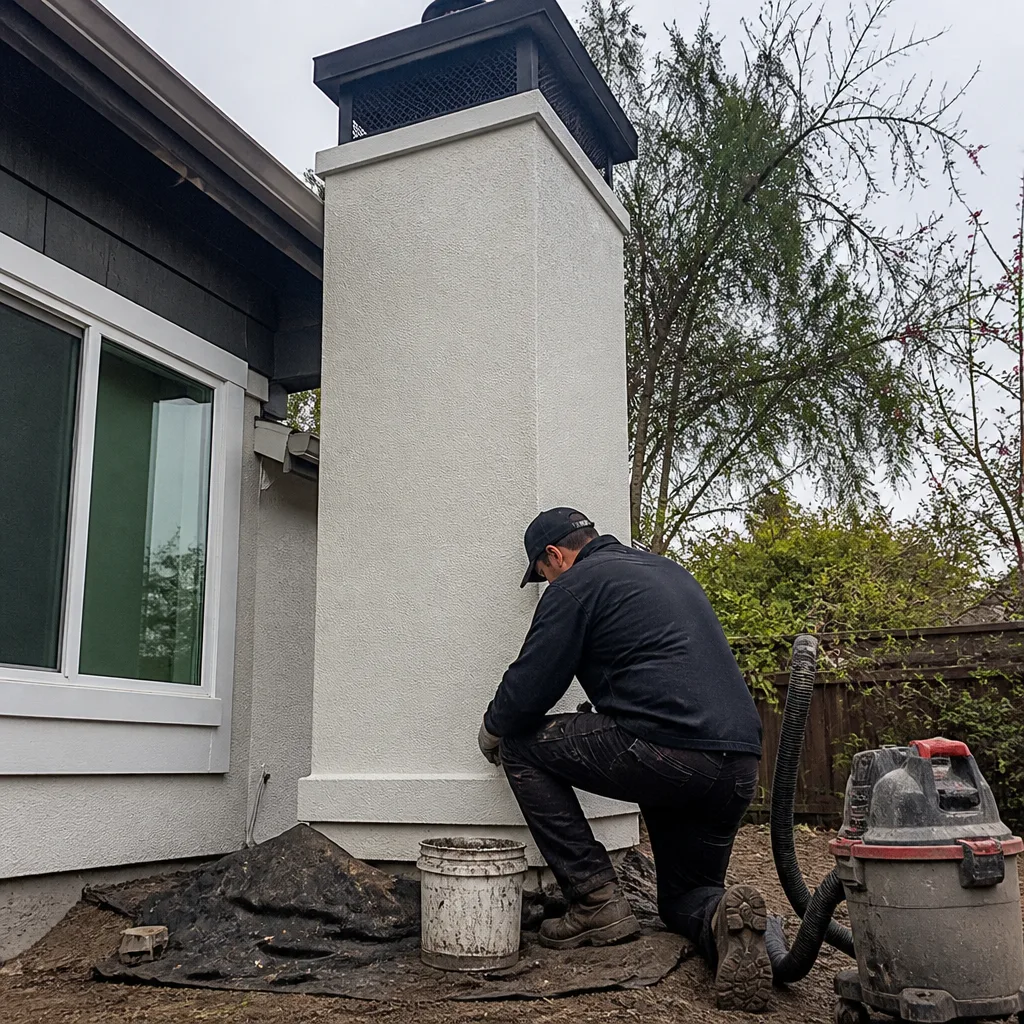
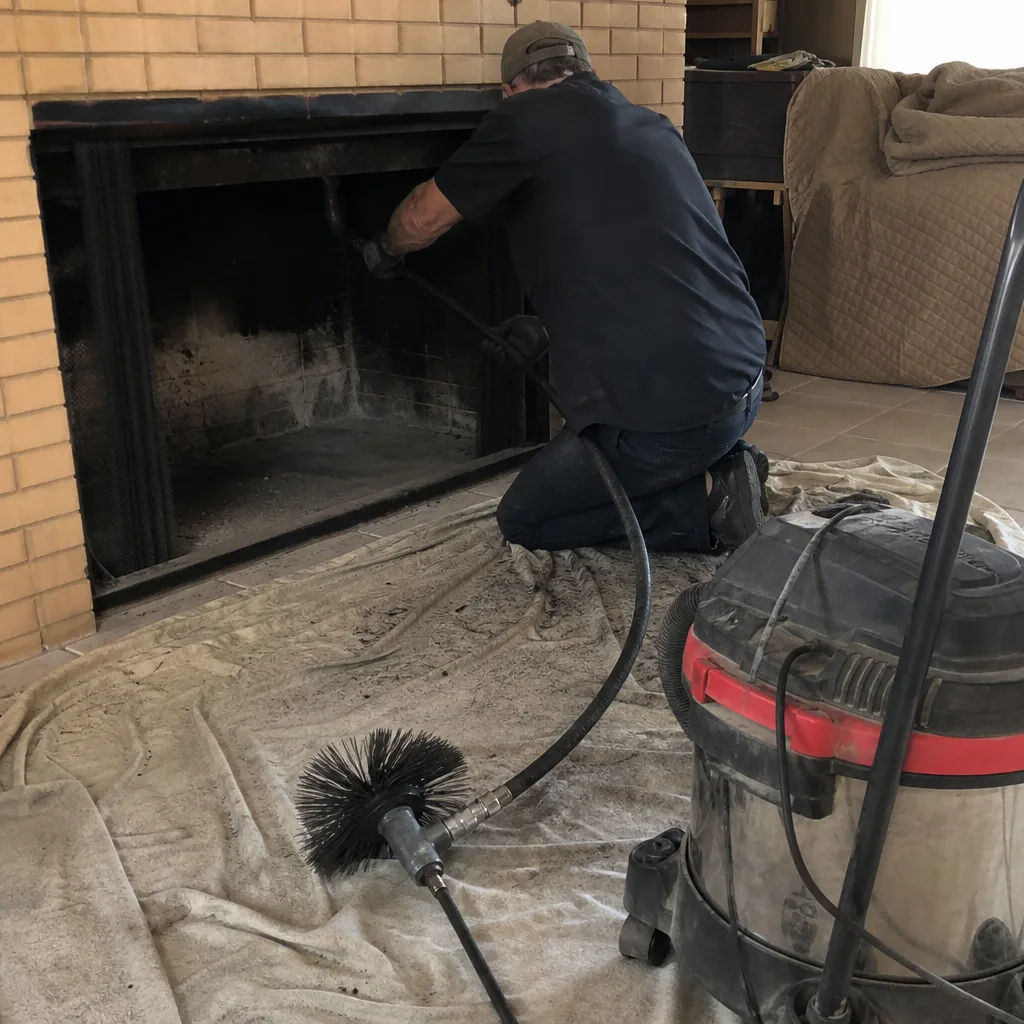
Professional sweeps work with rotary brush systems and high-powered HEPA-filtered vacuums designed specifically for chimney particulate. The brush heads are sized to the exact flue dimensions, whether that’s a round 8-inch liner or a rectangular 13×13 terra cotta flue. Brushes made for one size won’t clean another properly, which is why generic one-size-fits-all kits from home centers leave residue behind.
The vacuum side is equally important. A standard shop vac filter captures larger particles but passes fine soot back into the room. A professional chimney vacuum captures sub-micron particles, keeping the fine black dust out of your living space and off your furniture. We’ve seen homeowners try to sweep their own chimney and spend the next weekend repainting ceilings. The mess isn’t worth the attempt.
Beyond brushes and vacuums, professional suppliers like Copperfield provide specific tools that homeowners never see: rotary whip heads for breaking up Stage 2 creosote, specialized smoke-shelf scrapers, and inspection cameras with bright LED lights for documented Level 2 looks at liner condition. These tools are industry-standard among certified chimney technicians, not off-the-shelf consumer gear.
The material difference matters too. When we use HeatShield or Gelco products for repair work, it’s because those materials are rated for continuous flue exposure and meet UL 1777 standards for lining systems. Big-box patch compounds and stove cements are not rated for the same conditions. A sweep that reveals cracks or gaps in your flue liner can then be addressed with the right professional-grade system, rather than a temporary fix that fails within a season or two. That’s the practical value of working with a single provider that both sweeps and repairs.
A Seasonal Maintenance Calendar for San Diego County
San Marcos’s maintenance calendar doesn’t follow the national pattern of “inspect in fall, burn all winter, sweep in spring.” Our burn season is short, and our fire season matters more than our winter season. Here’s a month-by-month approach that fits how San Marcos homeowners actually use their fireplaces.
November: Pre-Burn Inspection and Sweep (If Needed)
This is the window when you should schedule a sweep if you haven’t had one in the past two years. November is before the heaviest holiday fireplace use but after the first rain, which is also when you might notice water stains around the chimney chase. If your fireplace has sat idle since last February, November is the right time to have creosote levels checked and the damper exercised. For most San Marcos homes, this is the only sweep you’ll need all year.
December to February: Burn Season
This is when San Marcos fireplaces actually get used. Typical patterns include weekend evening fires and holiday gatherings. Burn only seasoned hardwood or high-quality manufactured logs. Avoid burning wrapping paper, pizza boxes, or yard trimmings. These create heavy smoke, fast-burning embers, and can send burning material up the flue. If you notice smoke backing into the room, a strong odor, or slow-burning fires, stop using the fireplace and schedule an inspection. Those are symptoms of a blocked flue or a damper that isn’t opening fully.
March to May: Post-Burn Assessment
After burn season ends, take a look at your firebox. If you see more than a thin dusting of black residue, or if the fireplace smells strongly on warm days, call for a sweep before the heat of summer sets the odor permanently. You don’t need to sweep every spring, but you should visually assess. This is also the right time to schedule a dryer vent cleaning if you missed it, since spring and fall are both good windows for that service. Our Dryer Vent Cleaning in San Marcos service addresses the other major flue in your home, and pairing it with an annual chimney check makes sense for many households.
June to October: Fire Season
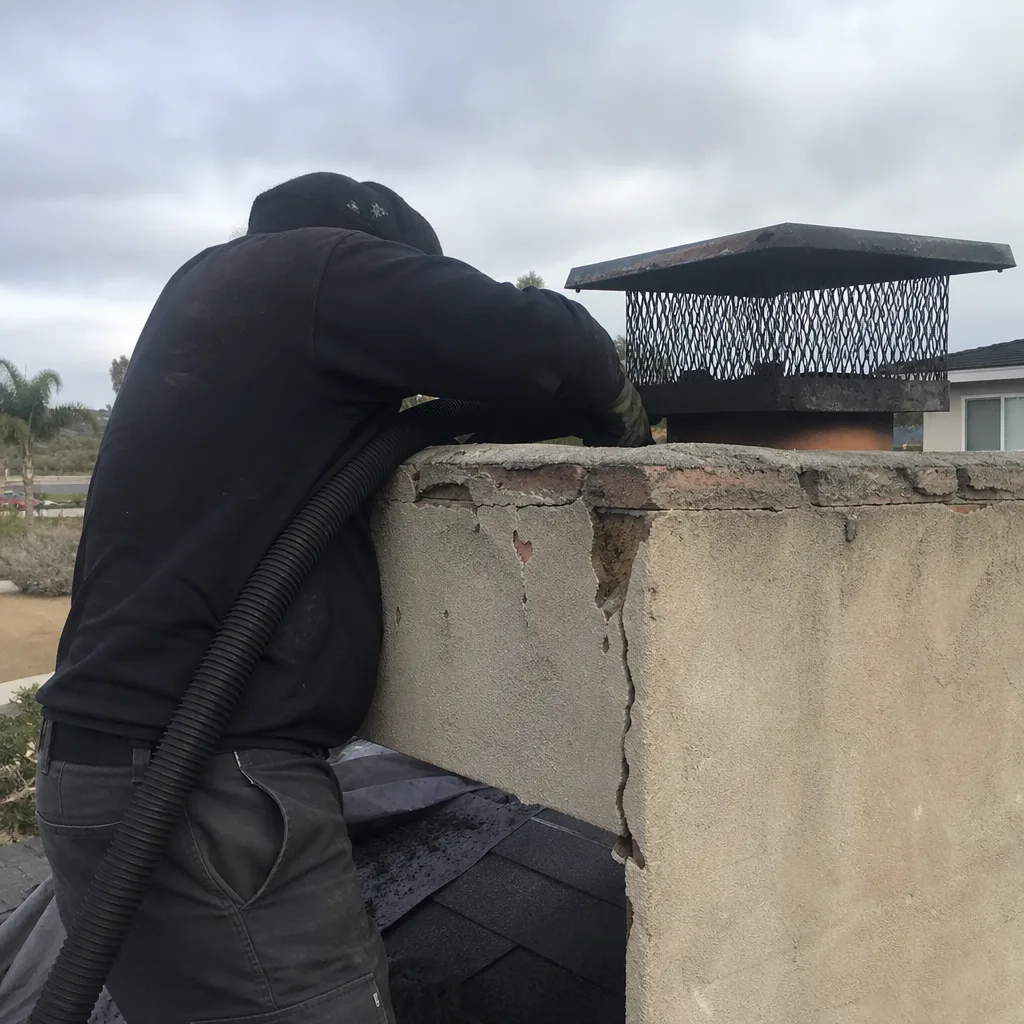
This is the period Santa Ana winds and wildfire risk are highest across San Diego County. Your chimney isn’t being used during these months, but it’s still exposed. Make sure your chimney cap is in place and not blocked by leaves, bird nests, or debris. A damaged or missing cap during Santa Ana conditions is a fire risk: embers from regional fires can enter an uncapped chimney and ignite creosote deposits. We’ve seen wildfire embers travel remarkable distances in San Diego County. An open chimney is an ember catcher.
If you never got around to a fall sweep, you can have one done during these months, but early morning scheduling helps avoid the afternoon heat, and a sweep is more pleasant before the Santa Ana season peaks.
Common Mistakes to Avoid
- Assuming infrequent use means no maintenance. In San Marcos, corrosion and light creosote buildup happen even in rarely used chimneys. Waiting five years “because we barely use it” is how liners get damaged beyond simple repair.
- Burning unseasoned wood from a grocery store bundle. Those bundles are often wet and produce heavy smoke. It builds creosote faster than you’d expect given how few fires you burn.
- Skipping the chimney cap check. A missing or damaged cap in San Marcos is a direct ember-entry risk during wildfire season. This is a $150 to $400 fix that prevents a far more expensive or dangerous problem.
- Treating gas fireplaces as zero-maintenance. Gas flues produce corrosive condensate. Ignoring them for a decade can result in a liner that leaks carbon monoxide into the home. An inspection every 2 to 3 years is the minimum.
- Using a general handyman for chimney work. A handyman who “also does chimneys” doesn’t have the same tools, training, or material suppliers as a dedicated chimney and venting professional. The risks of a missed liner crack aren’t worth the savings.
- Ignoring a smoky fireplace. If smoke backs into the room, something is wrong. Continued use can push carbon monoxide into the living space. Stop using it and have it checked.
- Confusing a home inspector’s note with a chimney inspection. During a home sale, a general home inspector’s visual note is not a substitute for a Level 2 chimney inspection. Your flue liner is the one thing the home inspector cannot adequately evaluate.
When to Call a Professional
Call a professional when you see black flakes accumulating in the firebox, notice a strong smoke smell on humid or warm days, hear birds or animals in the chimney, see visible rust or water staining around the fireplace, or haven’t had the chimney inspected in more than two years. Any of these conditions warrants a sweep and inspection. Also call if you’re buying or selling a San Marcos home with a fireplace and need a Level 2 inspection for the transaction.
Chimney Cleaning San Marcos offers free estimates in San Marcos, with the distinct advantage of being both a sweep provider and a repair provider. If we find a liner crack or damper problem during the sweep, the repair can be quoted and completed by the same team, using the same professional-grade materials, without handing you off to another company.
Call (866) 651-2603 for a free estimate. One call covers both fire hazards, the chimney and the dryer vent.
Frequently Asked Questions
A standard chimney sweep in San Marcos typically runs between $149 and $289 for a single fireplace with a standard flue. The price varies based on whether the flue has heavy creosote buildup, whether there’s debris or animal nesting to remove, and whether the home is in a neighborhood with restricted roof access. Call (866) 651-2603 for an exact quote. Estimates are free, and the price you’re quoted is what you’ll pay.
Not necessarily. Small cracks in terra cotta flue liners can sometimes be addressed with a product like HeatShield, which is a cerfractory sealant system rated for flue exposure. This is a repair, not a replacement, and it costs less than a full stainless steel reline in many cases. Larger cracks, multiple joint failures, or liner collapse require a full reline, often with a product like DuraFlex. A camera inspection will show you exactly what we’re seeing, so you can make the call based on evidence, not a sales pitch.
Every 1 to 2 years for wood-burning fireplaces, depending on how much you burn and whether you can see creosote buildup. Gas fireplaces should be inspected every 2 to 3 years even though they don’t require sweeping in the traditional sense. The National Fire Protection Association (NFPA 211) standard says to sweep when creosote reaches 1/8 inch, which in San Marcos light-use patterns typically happens around the 2-year mark. Call (866) 651-2603 if you’re unsure whether your chimney needs attention.
You’ll likely accumulate enough creosote to create a chimney fire risk, and you may develop corrosion or liner damage from San Marcos’s marine-influenced air. A chimney fire can crack the flue liner, warp the damper, and in the worst case, spread to the roof structure. The repair costs after years of neglect are often 3 to 5 times what regular sweeps would have cost. The risk is real, but it’s also cheap to prevent.
Yes, because dryer vents are the other venting system in your home that moves combustible material out. Lint buildup in a dryer vent is a leading cause of residential fires. San Marcos homes with long vent runs or second-floor laundry rooms are particularly prone to slow accumulation. Having both the chimney and dryer vent cleaned in the same visit is efficient and addresses both fire-hazard flues at once. Our Dryer Vent Cleaning in San Marcos service handles the dryer side.
We don’t recommend it. As we explain in DIY vs Professional Chimney Cleaning: The San Marcos Homeowner’s Decision Guide, a shop vac doesn’t capture fine soot particles, the brush won’t match your flue dimensions, and you can’t see the condition of the liner without a camera. You’ll also be working at height, which carries its own risks. What a homeowner can do safely is inspect the firebox visually after each season and make sure the cap is intact. Leave the flue itself to someone with professional tools and the right training. The cost of a sweep is less than the cost of painting your ceiling after a DIY attempt goes wrong.
The Bottom Line
San Marcos homeowners need a chimney maintenance schedule that matches how they actually use their fireplaces, not a national rule designed for cold-climate states. Sweep your wood-burning chimney every 1 to 2 years, check for corrosion even when you don’t burn, and get a Level 2 camera inspection after a home sale or any chimney-related incident. Use a specialist who sweeps and repairs, because a sweep that finds a problem is only useful if the same team can fix it with professional-grade materials. For homeowners in San Marcos, the right maintenance rhythm means more years out of a fireplace that gets used less, not less attention. See our more guides & resources for additional regional fireplace advice. Call (866) 651-2603 for a free estimate and a maintenance recommendation tailored to your home.
Written by the team at Chimney Cleaning San Marcos, serving San Marcos since 2018.
See the difference
 Before
 After
 Before
 After
 Before
 After