
Last updated November 2, 2026
 Sweep & inspection
 Caps & crowns
 Flue relining
 Masonry repair
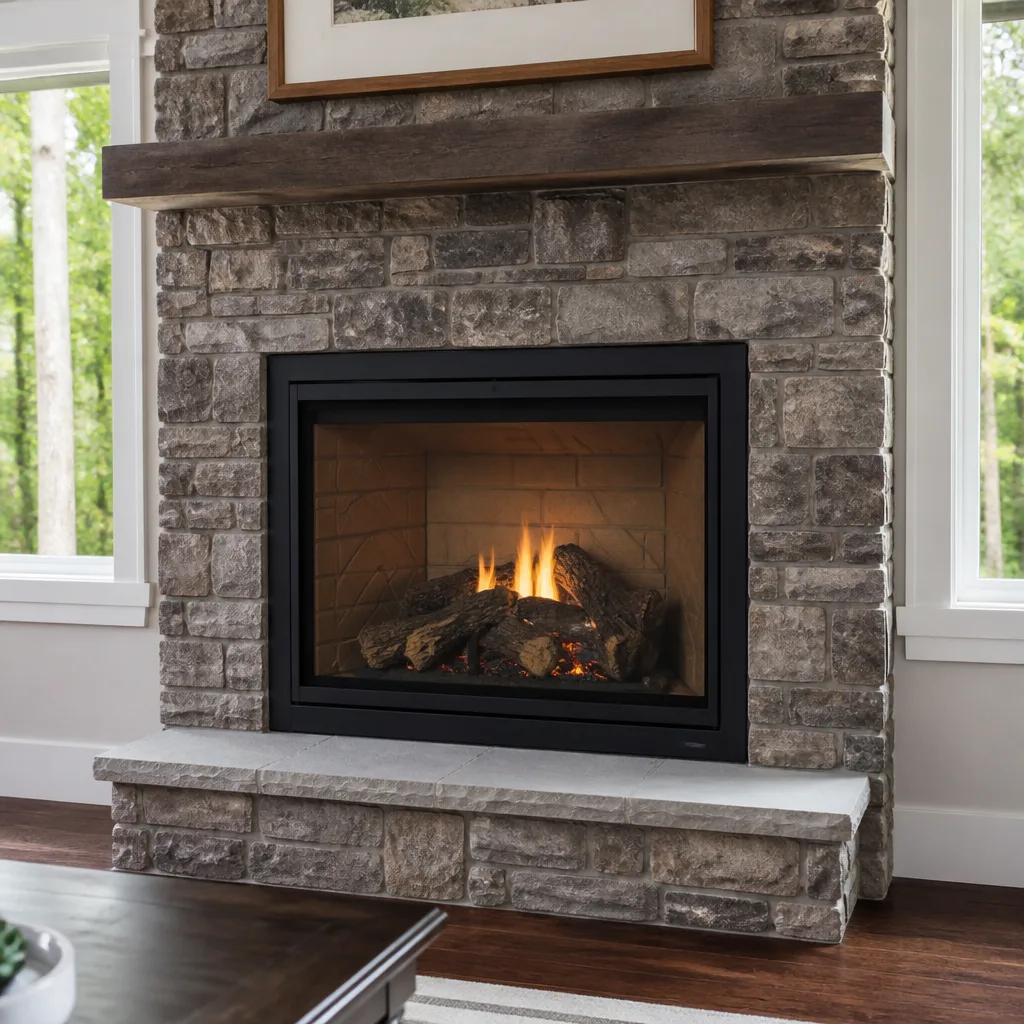 Gas fireplace service
Level 1 sweep and inspection to the NFPA 211 annual standard - flue, crown, cap, and flashing checked and photographed
Chimney sweep logs do not sweep chimneys. They loosen some creosote - which then falls where a brush and vacuum still have to collect it.
Chimney Sweep Maintenance Checklist for San Marcos Homeowners
Most homeowners in San Marcos treat chimney maintenance as a calendar item. Check the box in October, sweep in November, forget about it until the smoke backs up. That approach works right up until it doesn’t. A checklist with twenty vague items is less useful than six specific ones, because if “check the chimney” is on your home maintenance list, you don’t actually have a checklist. You have a reminder that something exists. This guide gives you a condition-based checklist tied to what you can actually observe: smell, draft behavior, visible wear, and what Southern California weather does to masonry over time. We’ll show you what to look at, what each finding means, and when an observation crosses from “note it” to “call a chimney sweep in San Marcos.”
Styles & brands we work with
- Sweep & inspection
- Caps & crowns
- Flue relining
- Masonry repair
- Gas fireplace service
Quick Answer
A usable chimney maintenance checklist for San Marcos homeowners has six condition-based checks: cap and screen integrity after wind season, firebox and damper operation, smoke behavior during a test burn, exterior mortar crown condition, seasonal odor presence when the fireplace isn’t in use, and dryer vent airflow if you share the same exhaust concerns. Each check is an observation, not a task, and each observation either clears the system for use or tells you what professional service to book next. For additional context, see our Chimney Sweep Troubleshooting: Common Problems and How to Fix Them.
Table of Contents
- Pre-Season Checklist: What to Check in September
- Post-Storm Checklist: What Santa Ana Winds and Rain Actually Do
- Sensory Tests: Odor, Draft Pull, and Smoke Behavior
- DIY Observations vs. What a Level 1 or Level 2 Inspection Confirms
- Documenting Findings: How to Track Degradation Over Years
- The Dryer Vent Item Most Chimney Checklists Ignore
- Common Mistakes to Avoid
- When to Call a Professional
- Frequently Asked Questions
- The Bottom Line
Pre-Season Checklist: What to Check in September
San Marcos doesn’t have a brutal winter, but it does have a defined burn season, and the weeks before it starts are when preventive checks earn their keep. September is the month to run through this list, before the first cool evening sends you looking for firewood. Here’s what to check and what each finding means.
- Cap and screen condition. Look up at the chimney cap. If you can’t see it clearly from the ground, use binoculars. What you’re checking for: missing screen mesh, bent cap metal, or a cap that’s shifted off-center. Summer winds in San Marcos, especially afternoon gusts off the foothills, work screen mesh loose over time. A damaged cap is an open invitation for birds, rodents, and embers moving the wrong direction.
- Damper operation. Open and close the damper fully. It should move without grinding and seat completely. A damper that won’t close all the way is a year-round energy leak, not just a burn-season issue. If it hangs up halfway, note it.
- Firebox floor check. Shine a flashlight across the firebox floor. You’re looking for anything that wasn’t there last year: crumbled brick, gaps between bricks, or a firebox liner that’s pulling away from the walls. These are structural, not cosmetic.
- Smell test with the damper open. Stand at the fireplace opening and breathe normally. A healthy chimney has almost no odor. A creosote smell, damp smell, or sour animal odor tells you something is in the flue that shouldn’t be.
- Test burn smoke behavior. This is the single most informative pre-season check. Light a small, hot fire with dry kindling. Watch the first thirty seconds of smoke. The smoke should draw upward immediately and disappear into the flue. If it lingers, curls back into the room, or slinks out the top in a lazy drift, the draft is compromised. That’s not a “wait and see” item.
If every item clears, your fireplace is ready for the season. If one or more items falls into the “note it” category, don’t file it away and hope. Draft problems especially don’t fix themselves. A Chimney Sweep in San Marcos can run a camera inspection and tell you exactly what you’re looking at. Every item on this list takes less than fifteen minutes total, and you’ll know more about your chimney afterward than most homeowners know about theirs ever.
Post-Storm Checklist: What Santa Ana Winds and Rain Events Actually Do
San Marcos gets two weather patterns that matter for chimney health: Santa Ana wind events in fall and occasional heavy rain bands in winter. Both do specific, predictable damage. Checking after each storm pattern is how you catch problems before they become rebuilding projects.
What Santa Ana winds do
Santa Anas aren’t just strong. They’re sustained. A 50 mph gust that lasts eight hours stress-tests chimney caps, rain pans, and screen mesh in a way that ordinary wind never does. After a significant Santa Ana event, check:
- Cap alignment. Has the cap rotated, lifted, or shifted? Wind-driven vibration loosens the mounting brackets over time.
- Screen mesh tension. Look for sagging or torn sections along the cap’s perimeter. Torn mesh is how birds get in, and birds build nests fast.
- Mortar crown debris. Wind can’t crack a crown directly, but it can knock loose crown material that was already failing. Check the ground around the chimney base for small bits of mortar or brick that weren’t there before the storm.
- Flashing lift. Strong sustained wind can lift flashing edges if the sealant has aged. From the ground, look for gaps between the flashing and the roofline.
What rain does
Rain in San Marcos doesn’t come often, which means masonry has long dry periods between wet ones. That cycle is harder on mortar than constant damp. After a rain event, check:
- Water staining on the exterior chimney. Dark streaks or whitish mineral deposits mean water is penetrating the masonry surface. That’s your crown or flashing failing at its job.
- Interior dampness around the firebox. Smell the fireplace after rain. A musty, wet smell means water is getting into the flue from above.
- Rusted damper hardware. If your damper has surface rust that wasn’t there before the rain, water is reaching areas it shouldn’t.
- Interior wall discoloration near the chimney chase. This is a serious finding. It means water has traveled through the chase and is staining finished surfaces.
Neither of these weather patterns is rare in San Marcos, and neither damage pattern shows up immediately in every case. Flashing failure, in particular, can go unnoticed for a full season until the first big rain exposes it. That’s why the post-storm check matters: you’re looking at the system after it’s been stressed, not while it’s sitting idle.
Sensory Tests: Odor, Draft Pull, and Smoke Behavior
Three sensory tests give you more diagnostic information than any visual inspection from the firebox floor. Each test connects to a specific chimney condition, and none of them require tools.
The odor test
A healthy chimney should have almost no detectable smell when the damper is open and the fireplace is cold. What you smell tells you what’s wrong:
- Campfire smell. Creosote buildup is significant enough to off-gas. This is the smell most people associate with an unswept chimney, and it means the flue needs cleaning before the next burn.
- Musty or damp smell. Water is entering the chimney somewhere. Crown damage, flashing failure, or cap problems are the usual causes.
- Animal smell. Something nested or died in the flue. If you hear movement as well, the animal is alive and needs to be removed before you burn.
- Gas smell. If your fireplace is gas-log equipped, this is a shutoff-and-call situation, full stop.
The draft pull test
Light a long match or a small piece of rolled paper and hold it near the damper opening with the damper fully open. A healthy draft pulls the flame sideways toward the flue immediately. If the flame wavers straight up, flickers unpredictably, or blows back into the room, the draft is weak or reversed. Causes include: a cold flue (common on first use in a season), a blocked flue cap, a nesting animal, negative pressure inside the house from running exhaust fans, or a chimney that’s too short for proper draw.
If the draft is weak on a first use, try opening a nearby window and re-testing. If that fixes it, the home is too tightly sealed and negative pressure is the issue. If it doesn’t, you need a professional inspection to identify the blockage or design problem.
The smoke behavior test
This is the draft test but applied to a live fire. Build a small fire with dry wood and watch the smoke:
- Smoke draws upward cleanly and quickly. The chimney is functioning correctly.
- Smoke hangs at the firebox opening and curls into the room. Draft failure. The flue isn’t pulling, and burning more fires will continue to back-smoke until the cause is found.
- Smoke drifts lazily from the cap and hangs near the roofline. The smoke is too cool. This suggests wet or green wood, a fire that’s too small, or creosote-coated flue walls that are cooling the exhaust too quickly.
- Smoke exits from multiple places on the exterior chimney. You have a structural breach in the flue. This is a stop-using-the-fireplace finding. Smoke should exit from one place only: the flue top.
All three tests tell you about the system’s current condition, not its theoretical health. A chimney can look fine from the outside and fail all three of these. That’s the value of testing observable behavior instead of trusting appearance.
DIY Observations vs. What a Level 1 or Level 2 Inspection Confirms
Every homeowner can perform the checks in this guide. What they can’t do is confirm the significance of what they find. There’s a hard line between observation and diagnosis, and knowing where that line sits is how you avoid both unnecessary repairs and missed hazards.
What you can do yourself
- Visually check cap and screen condition from the ground or roofline
- Test damper operation and note resistance or incomplete closing
- Check firebox floor and walls for visible gaps, crumbled brick, or liner separation
- Run all three sensory tests: odor, draft pull, smoke behavior
- Check exterior masonry for visible cracks, spalling, or missing mortar
- Inspect flashing visually for gaps or loose sealant from the roofline
- Document findings with photos and notes for year-over-year comparison
What requires a Level 1 or Level 2 inspection to confirm
- Creosote thickness and composition. You can smell it, but you can’t measure it. Glazed creosote has a different removal protocol than flaky creosote.
- Flue liner condition. Cracks, gaps, or separation inside the liner aren’t visible from the firebox floor. A camera inspection confirms them.
- Hidden moisture intrusion. Water can travel inside a masonry chimney and damage it from within without ever showing on the exterior.
- Chase damage on prefab fireplaces. A manufactured chimney’s chase is a wooden enclosure around a metal flue. Water damage behind the chase surface isn’t visible until it’s significant.
- Glazed creosote presence. This is the dangerous one: a hard, tar-like coating that requires professional removal methods and is a significant fire risk.
The professionals who work in San Marcos use camera inspection on every job, because that’s the only way to see the flue interior. A Level 1 inspection is the standard annual check for a chimney that’s been functioning normally. A Level 2 is recommended when anything has changed: new home, chimney fire event, storm damage, relining work, or if you’re selling the home. If your checklist findings include anything beyond a clear visual and sensory pass, book a Chimney Repair in San Marcos inspection and let a camera settle it.
Documenting Findings: How to Track Degradation Over Years
The most underused chimney maintenance tool is a camera, and it’s already in your pocket. Here’s how to document findings so you can spot degradation trends before they become repair bills.
Why documentation matters
The human eye can’t accurately compare a chimney’s condition to what it looked like fourteen months ago. Memory smooths over gradual changes. A photograph doesn’t. When you document the same angles, same lighting, same season each year, you create a visual record that shows exactly when a crack appeared, when staining worsened, when a cap started to shift.
How to do it
- Establish fixed photo points. Pick four to five positions that you can replicate year after year: firebox floor, damper area, exterior chimney from two angles, cap view from the ground or roofline, and flashing at the roofline intersection.
- Photograph in the same conditions. Same time of day, ideally the same month each year. The September pre-season check is a natural annual moment.
- Photograph problems, not just the overall view. Got a suspicious crack? Get a close-up with a ruler or coin for scale. A crack that grows 2mm in a year tells you something different than a crack that stays identical for three years.
- Store photos with dates. Create a folder on your phone or computer. Name files by date and location: “2026-09-firebox-floor.jpg.” This is the part most people skip, and it’s the part that makes the other steps matter.
- Keep repair and service records in the same place. When a Chimney Cleaning San Marcos home service relates to something you’ve photographed, note it. Service records plus visual records create a complete history that adds value when you sell the home.
What to note
Beyond photos, keep a simple running note document with one or two lines per check. “September 2026: test burn drew clean. Cap screen has small tear on south side, not worsening. Damper seats fully. No firebox changes.” That’s enough. You’re not writing a report; you’re creating a trail that helps you and any service tech understand what’s been happening.
Trends show themselves over two or three documented seasons. Without documentation, the same three seasons pass and you’re guessing. In our experience, the homeowners who timestamp problems are the ones whose repairs are smaller, because the catch happens at hairline width, not structural collapse.
The Dryer Vent Item Most Chimney Checklists Ignore
Conventional chimney checklists stop at the fireplace. That’s a miss, because the same venting principles that govern chimney safety apply to your dryer vent, and the failure profile is similar: buildup over time, airflow restriction, fire risk. San Marcos homes that run dryers year-round accumulate lint even with regular filter cleaning, because the filter catches only a fraction of what passes through.
Add this single item to your chimney maintenance checklist:
Dryer vent airflow check. Run the dryer empty for five minutes with the vent connected. Go outside to the vent exit. You should feel warm, steady airflow exiting the vent while the dryer runs. If the airflow is weak, the dryer interior feels unusually hot, or you haven’t had the vent service cleaned within the last year, the vent needs professional attention.
Dryer Vent Cleaning in San Marcos addresses the leading cause of residential dryer fires, and it pairs logically with chimney work because both are venting systems. One call can inspect and clean both flues. If you’re already scheduling a chimney inspection, adding the dryer vent check costs you nothing in convenience and covers the other major fire-hazard flue in the home.
Place this item at the end of your pre-season checklist. It takes five minutes to test, and it’s the one item that protects against a hazard that never stops accumulating, regardless of burn season.
Common Mistakes to Avoid
- Trusting that no smell means no problem. Creosote doesn’t always announce itself with odor, especially when the damper is closed and the fireplace is dormant. Visual inspection is the only reliable check. If you haven’t looked in a year, you don’t know.
- Assuming a visible cap means the screen is intact. Screen mesh damage is hard to see from the ground. Get eyes on the cap from the roofline or use binoculars. A torn screen is the single most common entry point for nesting animals in San Marcos.
- Burning green or wet wood and blaming the chimney. Smoke behavior issues usually involve the wood as much as the flue. If the smoke drifts lazily, dry your wood for six months before burning. If it still drifts after using properly seasoned wood, then the chimney is the variable.
- Ignoring a small crack because it’s small. Cracks in masonry don’t stay small. They widen with thermal cycling and water exposure. A hairline crack in a crown or firebox is the cheapest repair you’ll ever make; waiting means the repair gets bigger and more expensive.
- Skipping the dryer vent because “the lint trap catches it.” The lint trap catches maybe 70% of what passes through on a good day. The rest accumulates in the duct run. Dryer vent fires are preventable, and the prevention is cleaning the vent itself, not the filter.
- Treating the checklist as a pass/fail test. The purpose of these checks isn’t to declare the chimney “fine” or “not fine.” It’s to notice what’s changing. A documented small change that’s stable for two years is different from a small change that’s growing. The checklist works as a running observation log, not an annual verdict.
When to Call a Professional
Some findings are checklist notes. Others are call-a-specialist findings. Here’s the dividing line:
Call a professional when: your smoke test shows backdraft or lingering smoke; you smell gas at any time; you see smoke exiting from multiple points on the exterior chimney; you hear animals in the flue; you find water staining inside the firebox or on interior walls; your damper won’t seat; the firebox has visible gaps or loose brick; or your dryer vent airflow is weak during an active cycle. These aren’t items that resolve with time or another check. They’re findings that require a camera inspection to diagnose.
Chimney Cleaning San Marcos offers free estimates in San Marcos and works exclusively with professional-grade chimney materials, including HeatShield for liner restoration and DuraFlex for relining. That matters because when an inspection finds a liner problem, we can address it in the same service relationship instead of handing you off to someone else. Call (866) 651-2603 to schedule an inspection or ask about anything you observed during your own checks.
Frequently Asked Questions
A chimney that sees regular use during burn season should be swept at least once per year, and more often if you burn frequently or burn soft woods that produce more creosote. The National Fire Protection Association recommends a cleaning whenever creosote reaches 1/8 inch of accumulation. Since you can’t measure that from the firebox floor, an annual professional cleaning with a camera inspection is the practical standard for San Marcos homeowners who burn regularly.
Chimney sweep pricing in San Marcos typically ranges from $160 to $280 for a standard cleaning, with additional cost for heavy creosote removal, animal removal, or if the flue requires specialized glazed creosote treatment. See Choosing the Right Chimney Cleaning Brand: A Buyer’s Guide for San Marcos for help selecting a provider. The exact price depends on flue length, current condition, and what the camera inspection reveals. Call (866) 651-2603 for a free estimate on your specific chimney.
The only legitimate way to recommend a liner replacement is with camera evidence. At Chimney Cleaning San Marcos, we don’t recommend liner work without showing you the interior footage and explaining what you’re seeing. If a chimney company tells you the liner is cracked but can’t show you the crack on camera, get a second opinion. If we do find liner damage, we can often restore it with HeatShield rather than replacing the entire liner, which is a significant cost difference.
Creosote accumulates in layers. The first layer is flaky and easy to remove. The second or third year of burning without cleaning can produce glazed creosote, which is hard, tar-like, and significantly more dangerous. Glazed creosote burns hotter and expands more than standard creosote, and it’s the primary fuel in chimney fires. Skipping a year isn’t automatically catastrophic, but skipping multiple years while burning regularly is how fires start. The cost of a sweep is predictable; the cost of a chimney fire isn’t.
Check for visible rust, bent metal, missing screen mesh, or a cap that’s shifted off-center. Any of these means the cap is no longer doing its job. A cap that can’t keep out water, animals, and embers is a liability. In San Marcos, wind damage from Santa Ana events is the most common reason caps need replacement, and the fix is relatively inexpensive compared to what happens when a damaged cap lets in a nesting animal or water.
Yes. A sweep is the physical removal of creosote and debris from the flue. An inspection is the diagnostic work: camera footage of the flue interior, evaluation of masonry condition, assessment of the crown and cap, and a report on what’s functioning and what isn’t. At Chimney Cleaning San Marcos, our sweeps include a camera check so you know what the flue looks like after cleaning. If you need a more extensive inspection, we can schedule that as well.
The Bottom Line
A maintenance checklist works when it’s tied to observable conditions, not arbitrary calendar dates. For San Marcos homeowners, that means six condition-based checks each September: cap and screen integrity, damper operation, firebox condition, smell, draft pull, and smoke behavior. Add a post-storm check after Santa Ana wind events and significant rain, and include a dryer vent airflow test since homes here run dryers year-round. Document everything with photos and notes so you can spot trends over two to three seasons. If any check reveals something beyond normal, call a specialist before you burn again. Chimney Cleaning San Marcos is the chimney sweep and repair company in San Marcos that can take your observation and turn it into a diagnosis with camera evidence and professional-grade materials like HeatShield and DuraFlex. Call (866) 651-2603 for a free estimate.
Written by the team at Chimney Cleaning San Marcos, serving San Marcos since 2018.
See the difference
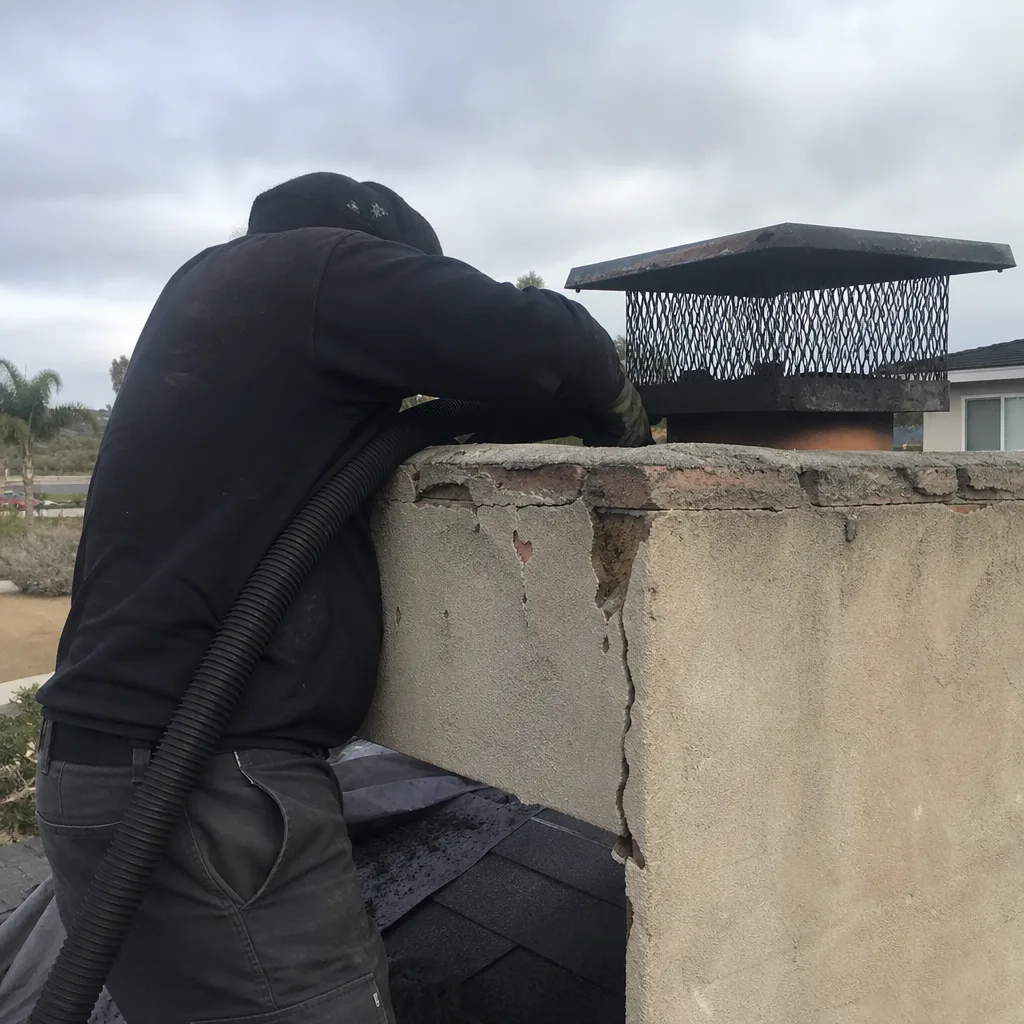 Before
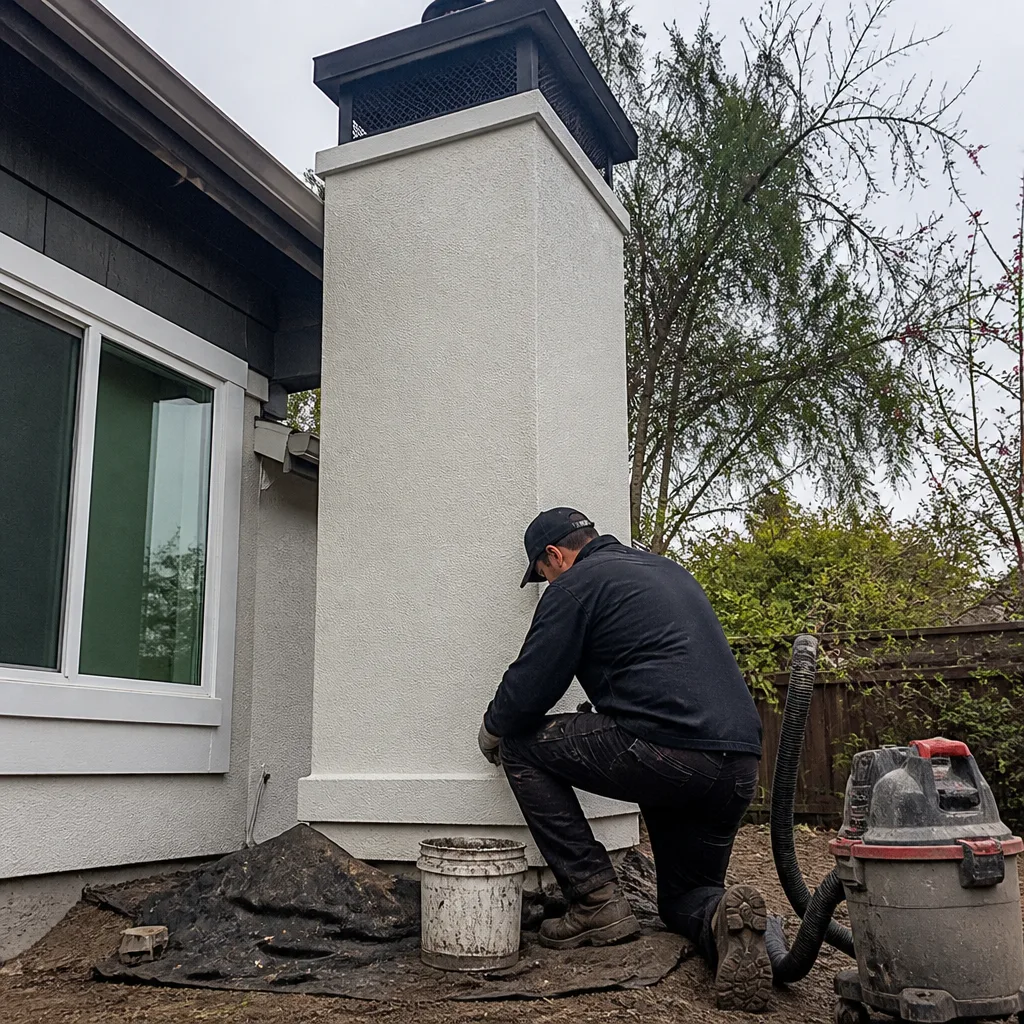 After
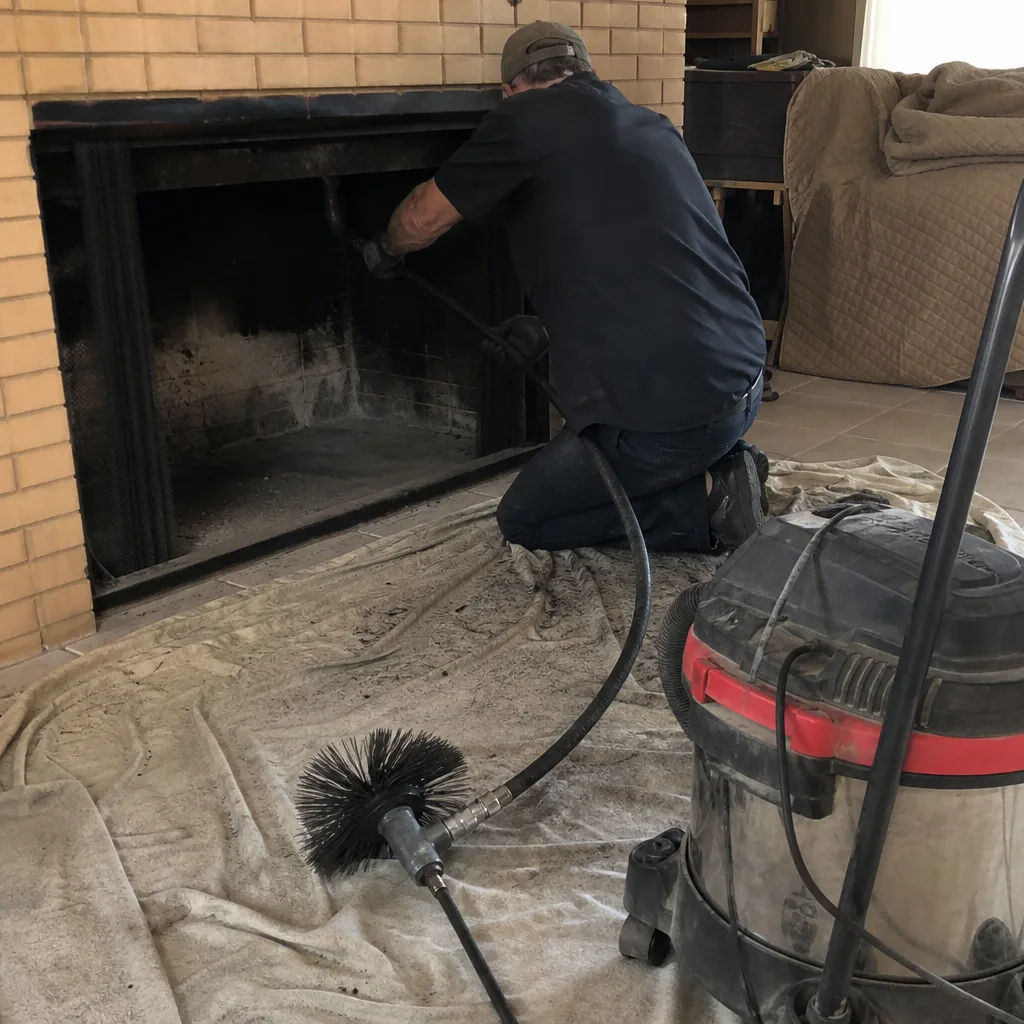 Before
 After
 Before
 After