
Last updated November 2, 2026
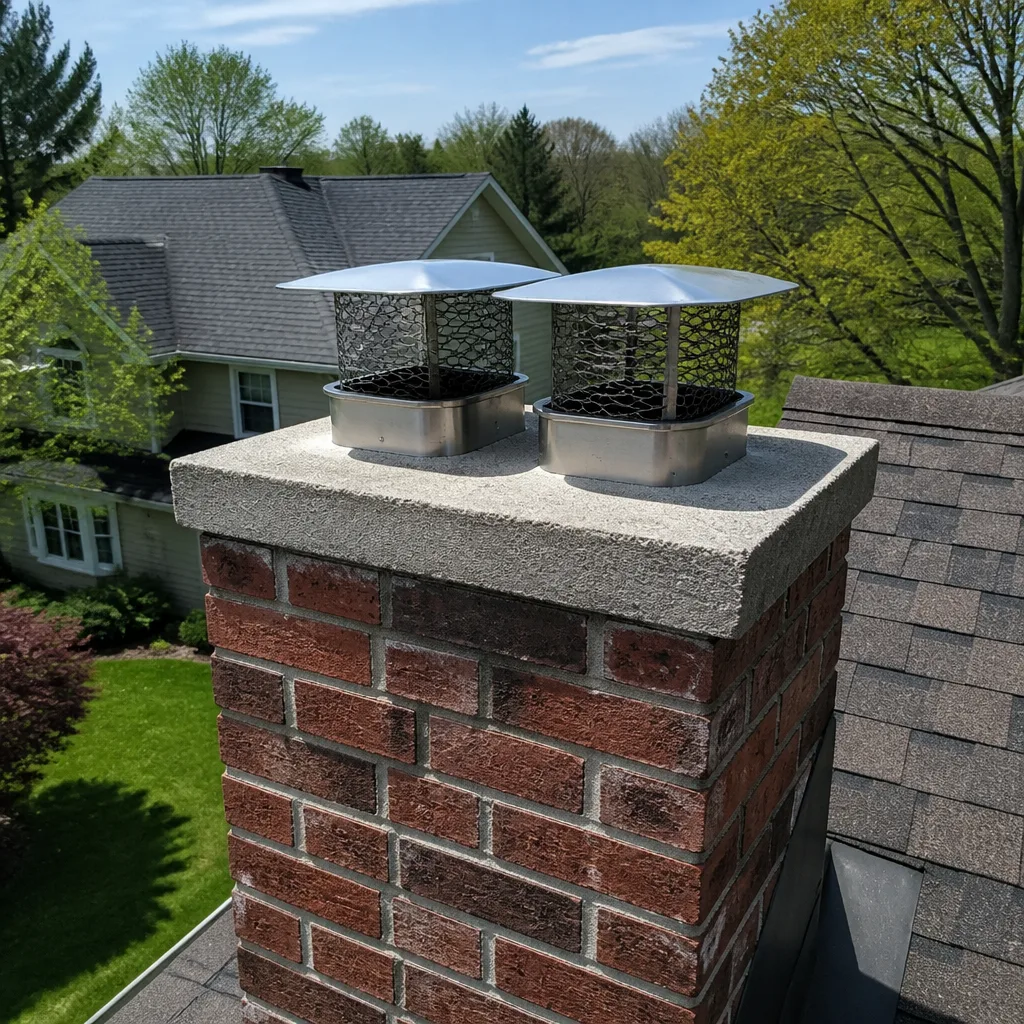 Sweep & inspection
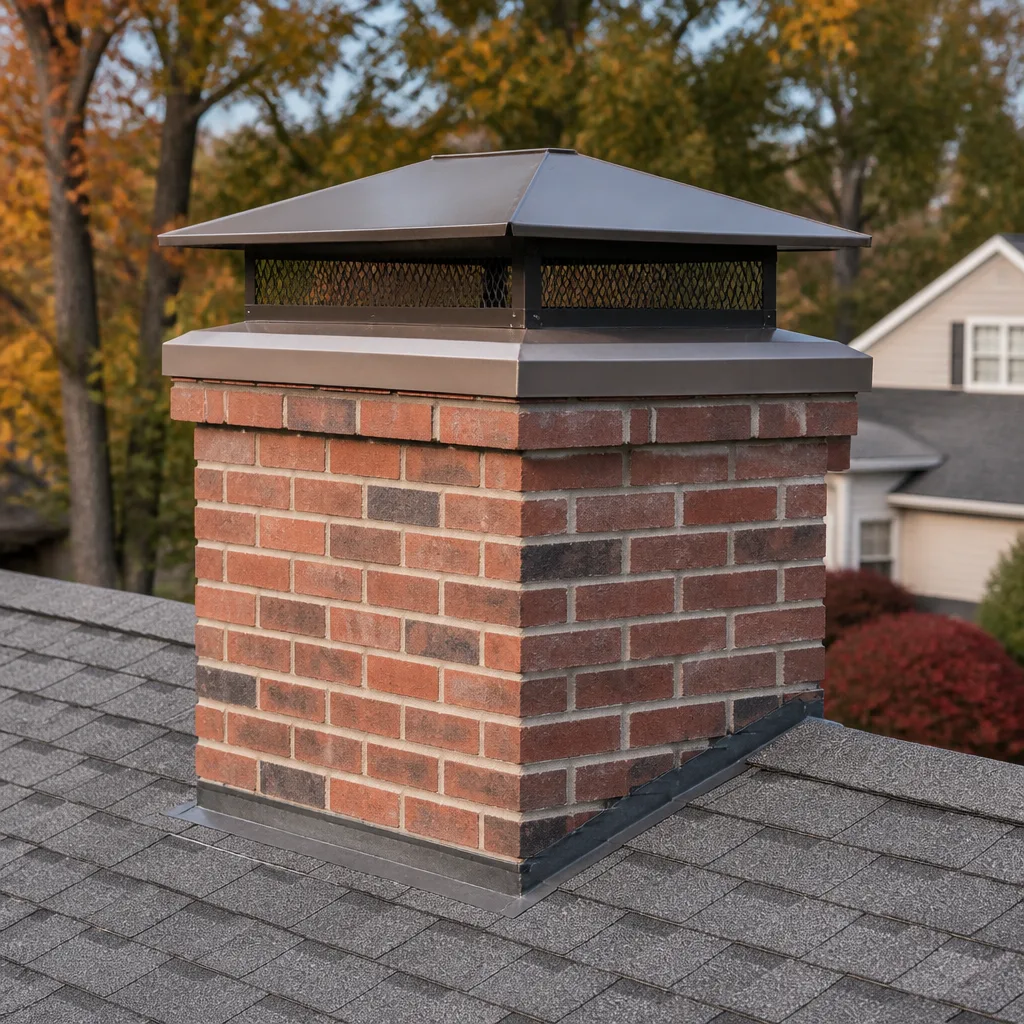 Caps & crowns
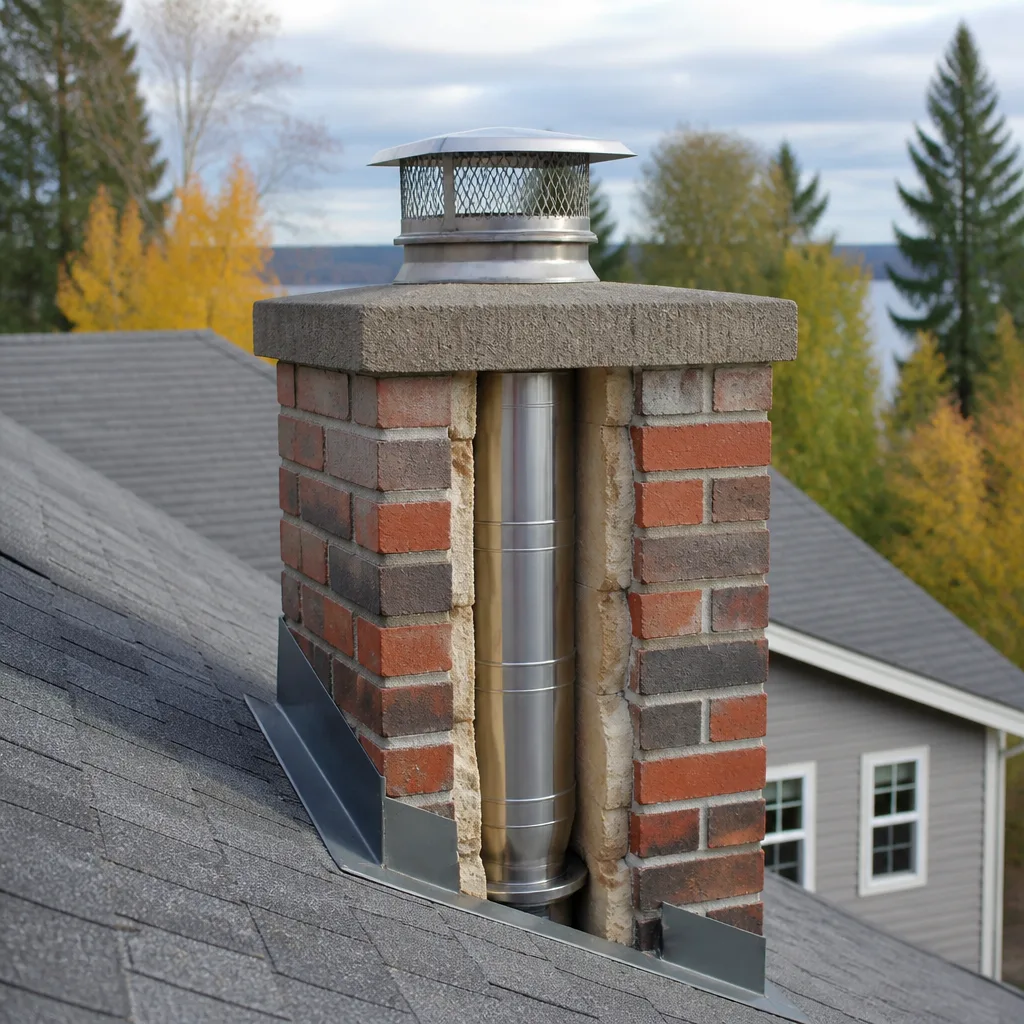 Flue relining
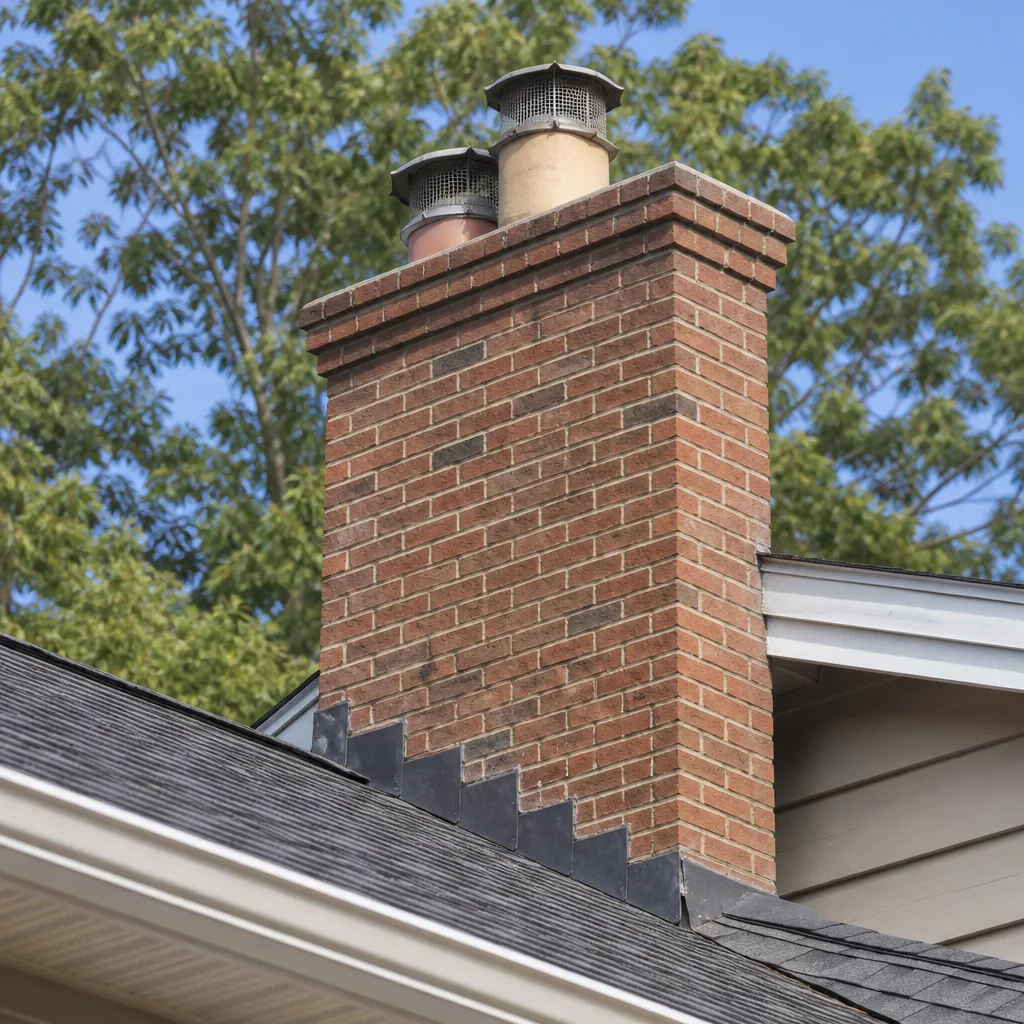 Masonry repair
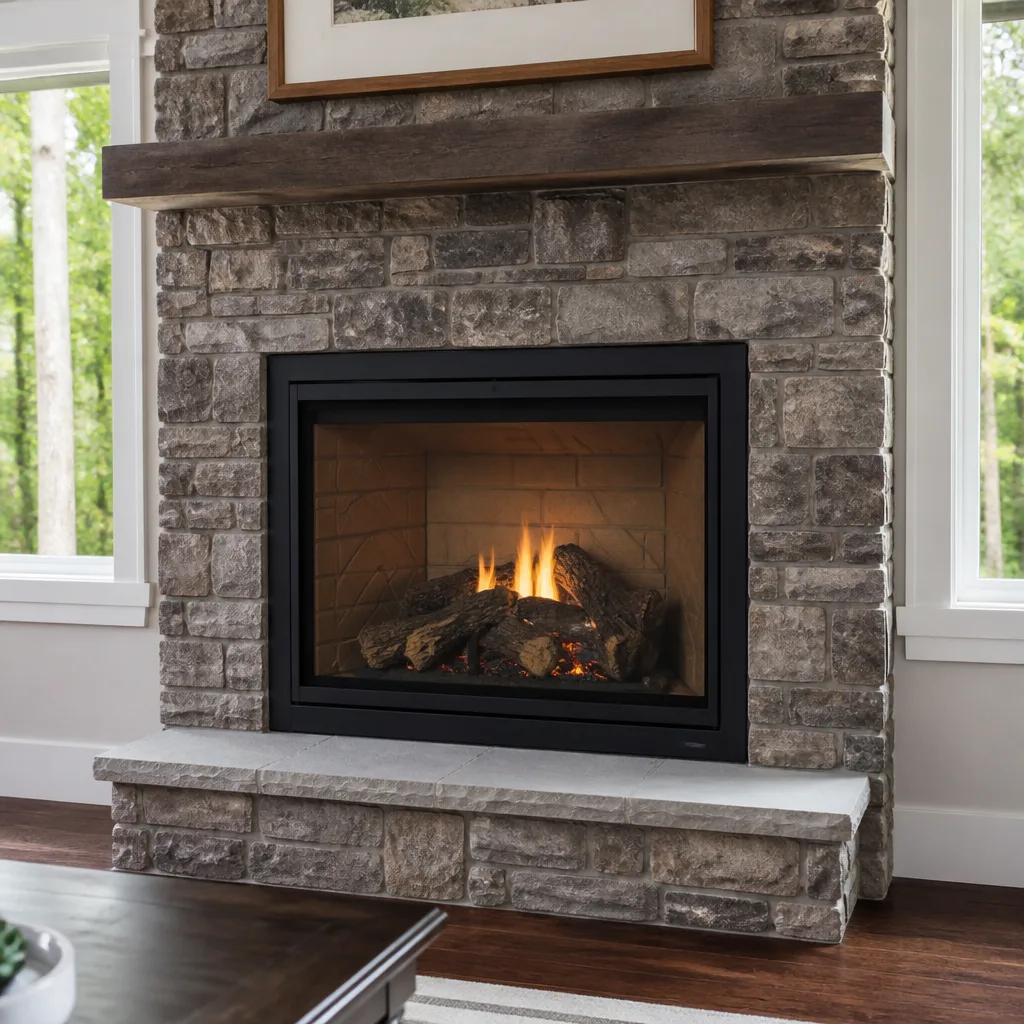 Gas fireplace service
Level 1 sweep and inspection to the NFPA 211 annual standard - flue, crown, cap, and flashing checked and photographed
Chimney sweep logs do not sweep chimneys. They loosen some creosote - which then falls where a brush and vacuum still have to collect it.
Chimney Cleaning Permits, Codes & Inspections in CA: What You Need to Know
Here’s the truth most California homeowners learn too late: the sweeping itself rarely requires a permit, but the repairs a thorough sweep uncovers almost always do. A hairline crack in a flue tile, a rusted damper assembly, a liner that’s begun to separate – fixing these properly means pulling a permit, and skipping that step creates a paper trail problem that can haunt you for years. In San Marcos, where we work on homes built from the 1970s through the 2000s, we’ve watched unpermitted chimney repairs derail escrow closings and complicate insurance claims. This guide maps exactly where the permit line sits under California code, what triggers an inspection, and how to fix past mistakes without tearing your house apart.
Styles & brands we work with
- Sweep & inspection
- Caps & crowns
- Flue relining
- Masonry repair
- Gas fireplace service
Quick Answer
Routine chimney sweeping and cleaning does not require a permit anywhere in California, including San Marcos, because it’s classified as maintenance rather than construction. However, most structural repairs uncovered during a sweep – liner replacement, masonry rebuilding, firebox repair, or changing the flue configuration – do require a permit through your local building department, typically under California Building Code Chapter 10 requirements. A Level 2 inspection that finds damage creates a legal obligation to repair, and that repair triggers the permit process. In short: the $200 sweep needs no permit, but the $4,000 liner job found during it absolutely needs paperwork.
Table of Contents
- What California Code Actually Requires
- Where the Permit Line Sits: Cleaning vs. Repair
- San Marcos & San Diego County Requirements
- NFPA 211 Inspection Levels and Legal Obligations
- Unpermitted Chimney Work and Home Sales
- How to Pull an After-the-Fact Permit
- What Permits and Inspections Cost
- Insurance Claims and the Permit Paper Trail
- Common Mistakes to Avoid
- When to Call a Professional
- Frequently Asked Questions
What California Code Actually Requires
California’s building requirements for chimneys live in the California Building Code (CBC), specifically Chapter 10, which covers chimneys and fireplaces. The state adopts updated versions of this code every three years, and local jurisdictions – including the City of San Marcos – can layer additional requirements on top. The core principle is straightforward: any work that alters the structure, configuration, or material composition of a chimney system requires a permit from the authority having jurisdiction. Routine cleaning, which removes creosote and soot without changing anything structural, is explicitly exempt.
The sections that matter most to homeowners are:
- CBC Section 108 – defines what work requires a permit and what’s exempt. Maintenance activities, including cleaning, fall under exemption. Repairs that restore the chimney to its original condition may qualify as maintenance, but replacements and modifications do not.
- CBC Chapter 10 – governs construction requirements for masonry and factory-built chimneys, including clearance to combustibles, flue sizing, and liner specifications.
- California Mechanical Code – covers venting for gas appliances that use the chimney as a flue, including water heaters and furnaces.
- California Energy Code (Title 24) – applies when you’re replacing a fireplace or installing a new one, affecting efficiency requirements and, in some areas, what fuel types are allowed.
In our experience as a Chimney Sweep in San Marcos, the confusion usually starts because the code language is broad, and homeowners reasonably interpret “repair” as maintenance. But the building department’s definition is more precise: if a component is being replaced rather than cleaned or adjusted, it’s construction work requiring review. A sweep that removes creosote changes nothing structurally. A new liner changes everything about how the flue functions, and that’s where the permit kicks in.
Where the Permit Line Sits: Cleaning vs. Repair
Here’s the practical breakdown we give every homeowner in San Marcos who asks whether their job needs paperwork. This is the same framework local building inspectors use when they field calls about chimney work.
No permit needed:
- Sweeping and creosote removal from the flue interior
- Cleaning the firebox, smoke chamber, and damper
- Drying out or vacuuming accumulated soot and debris
- Removing bird nests or small animal obstructions from an accessible flue
- Visual inspection (Level 1) that doesn’t require removal of any building material
- Replacing a worn damper plate with an identical unit where no structural changes occur
Permit required:
- Replacing or relining the flue with stainless steel (for example, a DuraFlex liner system) or ceramic material
- Rebuilding any portion of the masonry chimney, including the crown, shoulder, or brick courses
- Repairing or replacing the firebox with new refractory panels or firebrick
- Installing a new fireplace insert or changing the fuel type (wood to gas, for instance)
- Modifying the flue size or altering the termination point at the roofline
- Installing or replacing a chimney cap that changes the flare or draft characteristics
- Demolition or partial teardown of any chimney structure
One clarification that trips people up: in San Marcos, installing a simple rain cap doesn’t require a permit because it doesn’t alter the flue’s performance characteristics. But swapping a cap for one that includes a draft-inducing design or a spark arrestor sized differently can require review. When in doubt, call the City of San Marcos Building Division and describe the job honestly. The front counter staff will tell you in two minutes whether it needs a plan review.
San Marcos & San Diego County Requirements
San Marcos operates its own building department under the City of San Marcos, separate from San Diego County’s unincorporated area inspectors. The city adopts the California Building Code on its standard cycle and adds amendments through municipal code. For chimney and fireplace work, the most relevant local requirements come from the city’s implementation of air quality rules and its fire prevention standards.
San Marcos sits in the San Diego County Air Pollution Control District’s jurisdiction. During winter months, the county issues occasional “no-burn” days based on particulate levels. These don’t affect permits directly, but they do interact with chimney use and, by extension, how urgent some repairs become. If your chimney needs a repair that prevents safe wood burning, and you’re in the middle of a burn season with frequent restrictions, you may find the timeline compressed between the building permit and your actual fireplace usage.
For older homes in San Marcos neighborhoods like Richmar, Rancho Santalina, and the hills around Discovery Lake, original masonry chimneys from the 1970s and 80s frequently show the same failure patterns: deteriorated mortar crowns, spalling brick at the shoulder, and cracked flue tiles caused by decades of thermal cycling. When we perform a Chimney Repair in San Marcos on these homes, the repair scope almost always triggers the permit process, and the city’s inspectors are familiar with these typical conditions. That works in the homeowner’s favor: an inspector who sees the same failure mode on fifty local houses is faster to approve a repair plan than one who’s never encountered it.
San Diego County’s unincorporated areas – places like Harmony Grove or the rural stretches east of San Marcos – have their own requirements through the county’s Planning & Development Services. If you live in an unincorporated pocket, the county’s residential permit application for chimney repairs typically requires a site plan showing the structure’s location and a scope-of-work description. City of San Marcos residents use the city’s own application forms, which are simpler for residential single-family work.
NFPA 211 Inspection Levels and Legal Obligations
NFPA 211 is the National Fire Protection Association’s standard for chimneys, fireplaces, vents, and solid fuel burning appliances. It defines three inspection levels, and California jurisdictions reference it heavily when evaluating chimney safety. Understanding these levels matters because they determine whether you have a legal duty to repair – and therefore a permit obligation – after an inspection.
Level 1 inspection is the standard annual check. It covers the readily accessible portions of the chimney, the firebox, damper, and exterior. No permit implications for a routine Level 1 result. If the technician notes moderate creosote buildup, you schedule a sweep. Done.
Level 2 inspection is required when there’s been a change to the system – you’re buying a home, installing a new appliance, or there’s been a chimney fire, earthquake, or significant weather event. This inspection includes everything in Level 1 plus accessible attics, crawl spaces, and the exterior flue via camera. This is the one that changes things: in California, a Level 2 that reveals a cracked flue liner, separated joints, or structural damage creates a code-compliant obligation to repair before the system returns to use. That repair needs a permit. There’s no ambiguity in the building department’s view – once you know the system is compromised, continuing to burn is a knowing violation.
Level 3 inspection goes further, requiring removal of building materials to access concealed portions of the chimney. It’s typically triggered by serious damage discovered at Level 2. Any Level 3 inspection almost certainly leads to permitted repair work, since you’re now opening walls or demolishing structural components.
The practical takeaway for San Marcos homeowners: if you’re having a pre-purchase inspection and the Level 2 camera work finds flue damage, the repair obligation lands on someone. Who pays and who pulls the permit becomes part of the negotiation. We’ve seen deals where the seller agreed to cover repair costs but the buyer had to manage the permit process because the repair wasn’t completed before close. That’s a timeline risk worth understanding before you sign anything.
Unpermitted Chimney Work and Home Sales
California’s real estate disclosure requirements make unpermitted work a documentation problem, not just a safety problem. The standard California Association of Realtors disclosure forms ask sellers directly about known unpermitted modifications. A chimney liner installed without a permit falls under this question. Answering honestly triggers a cascade of follow-ups; answering dishonestly creates liability exposure that can follow you for years after close.
Here’s what actually happens when unpermitted chimney work surfaces during escrow in San Marcos:
- The buyer’s home inspector flags obvious signs of recent chimney work – a new liner cap at the roofline, fresh mortar at the crown, a stainless liner visible from the top.
- The buyer’s agent pulls the property’s permit history from the City of San Marcos. If no chimney permit appears, a request for explanation goes to the seller.
- One of three paths follows: the seller pulls an after-the-fact permit and completes the inspection (best case, 2-4 weeks), the parties negotiate a credit against potential remediation, or the buyer walks.
- If the buyer’s lender catches the issue – and FHA and VA underwriters are increasingly strict about unpermitted structural work – the loan can be conditioned on permit resolution before funding.
The cost of pulling an after-the-fact permit for chimney work is usually modest, often under $500 including inspection fees. The cost of losing a buyer or carrying a second mortgage while the permit gets sorted is far higher. If you’re planning to sell a San Marcos home in the next few years, resolving unpermitted chimney work now is one of the highest-ROI fixes you can make before listing.
How to Pull an After-the-Fact Permit
If you’ve discovered that prior chimney work was done without a permit, California cities have a standardized process for bringing the work into compliance. San Marcos handles these cases through its Building Division, and while the process feels intimidating, it’s routine for the staff who process dozens of these applications each month.
The steps are:
- Document what’s there. Take clear photos of the completed work: the liner cap, firebox, damper assembly, and any visible masonry. If you still have receipts from the contractor who did the work, gather those too. They establish an approximate date and material type.
- Request the permit application. Visit the City of San Marcos Building Division or call their main line. Explain you need an after-the-fact permit for chimney repair work and describe the scope. They’ll give you the correct form – often the same residential alteration permit used for pre-approved work.
- Schedule the inspection. The building department will likely require an on-site inspection to verify the work meets current CBC Chapter 10 requirements. For liner replacements, the inspector checks the liner material (stainless systems like DuraFlex or Copperfield liner products are widely recognized as code-compliant under UL 1777 standards), proper termination height, and clearances to combustibles.
- Pay the fees. Typical after-the-fact fees in San Marcos run from $150 to $400 depending on the scope, with possible penalty assessments. The city’s fee schedule is published, and residential chimney repairs are among the least expensive permit categories.
- Resolve any cited deficiencies. If the inspector flags issues, you’ll get a correction list. Address them, schedule a re-inspection, and close out the permit.
- Keep the final documentation. Once signed off, the permit becomes part of your property’s permanent record with the city. Make a copy for your files and provide it to your insurance carrier so the work appears in their underwriting history.
One point worth emphasizing: if the prior work involved a liner system that’s still in good condition but was installed to code at the time, after-the-fact approval is usually quick. The inspector’s job isn’t to punish the homeowner – it’s to confirm the flue is safe. HeatShield ceramic resurfacing work and properly installed stainless liners from professional-grade systems typically pass without issue because the materials meet the same standards the code requires.
What Permits and Inspections Cost
Permit fees for residential chimney work in San Marcos are some of the smallest line items in any home improvement project, which makes skipping them a particularly irrational risk calculation. Here’s the typical range:
| Item | Typical Cost Range in San Diego County |
|---|---|
| Residential building permit (chimney repair scope) | $100 – $350 |
| After-the-fact permit (includes potential penalty assessment) | $150 – $500 |
| Inspection fee per visit | $75 – $150 |
| Plan review (if required for complex repairs) | $100 – $300 |
| Level 2 camera inspection | $150 – $400 |
| Standard chimney sweep | $180 – $340 |
Compare the permit cost – usually under $500 total – against the potential downside of unpermitted work: a home sale that stalls, a lender condition at the last minute, or an insurance claim denied because the homeowner can’t prove their flue met code. The dollar math isn’t close. In San Marcos, the permit is among the cheapest insurance policies you’ll ever buy on your house.
If you’re budgeting for a full repair sequence – sweep, Level 2 camera inspection, liner replacement, permit application, and inspection – expect the total project to land between $3,500 and $8,000 in San Marcos depending on chimney height, liner material choice, and accessibility. The permit portion of that number is the smallest line item by an order of magnitude.
Insurance Claims and the Permit Paper Trail
Here’s the scenario no one thinks about until after the fire trucks leave: a chimney fire starts in the flue, spreads to the attic, and causes $85,000 in damage. The homeowner files a claim. The insurance adjuster asks for records of when the chimney was last swept and what repairs have been done. If the homeowner has receipts and permits, the claim proceeds normally. If the homeowner has a liner that was replaced six years ago with no permit on file, the adjuster now has a coverage question: was the fire caused by a maintenance failure on the homeowner’s part?
California insurance law doesn’t automatically void coverage for unpermitted work, but it creates a burden of proof the homeowner can’t easily meet. Without a permit attesting that the liner installation met code, the insurer can argue the flue system was altered outside the scope of their underwriting assumptions. Whether that argument succeeds in litigation matters less than the months of delay and legal fees it introduces. In some cases, carriers settle for a fraction of the claim while the homeowner fights the denial through the Department of Insurance.
The permit is your paper trail. It proves that a city inspector looked at the completed work and signed off. No repair invoice, no matter how detailed, carries the same weight. If you’re having a liner installed, a firebox rebuilt, or a crown replaced, insist the contractor pull the permit before work starts. A reputable Chimney Cleaning San Marcos home technician who works with professional-grade materials like HeatShield and DuraFlex systems will expect the permit conversation as a normal part of the job – if a contractor tells you the permit is unnecessary or offers to skip it to save money, walk away.
Common Mistakes to Avoid
- Assuming a “repair” is exempt because nothing structural changed. Swapping out a liner is a structural change to the flue system even though the chimney shell stays intact. The city’s definition, not yours, controls the permit decision.
- Trusting a contractor’s verbal assurance that “this doesn’t need a permit.” The contractor’s responsibility ends when they leave your driveway. The permit liability stays with you, the property owner, forever. Confirm with the building department directly.
- Waiting until escrow to discover past unpermitted work. Pay $200 now for a permit history check on your own home and resolve issues before listing. The same discovery during escrow costs thousands in negotiation leverage.
- Skipping the Level 2 inspection when buying a home. A Level 1 visual check misses concealed flue damage. In San Marcos, where thermal cycling and seismic activity stress older masonry chimneys, camera inspection is the difference between buying a house and buying a problem.
- Going with the lowest quote that explicitly excludes permit fees. A contractor who quotes a liner replacement without pulling a permit isn’t cheaper – they’re offloading their compliance obligation onto you.
- Burning after an inspection report flags flue damage. Once a Level 2 has documented cracked tiles or liner separation, using the fireplace again is a knowing code violation and will undercut any insurance claim connected to the chimney.
When to Call a Professional
If your chimney hasn’t been inspected in over a year, or if you’ve recently bought a home and haven’t seen its sweep history, start with an inspection. If you smell smoke inside the house when the fireplace is running, see efflorescence or spalling on exterior brick, or notice water stains around the ceiling near the chimney, those are signs the flue or crown has failed and repair work – likely permitted – is coming. Don’t try to camera-inspect your own flue, and don’t attempt liner work or firebox repair yourself. These systems involve carbon monoxide venting, combustible clearances, and high-temperature tolerances. The risk of getting it wrong isn’t a cosmetic issue; it’s a fire and carbon monoxide risk. For chimney work, dryer vent cleaning, or repair in the San Marcos area, Chimney Cleaning San Marcos offers free estimates in San Marcos – call (866) 651-2603.
Frequently Asked Questions
No. Routine chimney sweeping and creosote removal is classified as maintenance under California Building Code exemptions and requires no permit from the City of San Marcos or San Diego County. The permit question only arises when the sweep uncovers damage that requires structural repair, such as liner replacement or masonry rebuilding.
A standard chimney sweep in San Marcos typically costs between $180 and $340 depending on chimney height, flue condition, and accumulated creosote volume. This includes the sweep itself, basic inspection, and disposal. If a Level 2 camera inspection is added, expect $150 to $400 more. Call (866) 651-2603 for an exact quote – estimates are free.
The NFPA recommends a sweep whenever creosote buildup reaches 1/8 inch or more, which for most regularly used fireplaces in San Marcos translates to once per year. Homes that burn green or unseasoned wood, or that run the fireplace more than three days a week during winter, may need twice-annual service. Our Dryer Vent Cleaning in San Marcos service pairs naturally with an annual chimney check, since dryer vents have their own fire-hazard accumulation cycle.
If the recommendation is based on Level 2 camera inspection footage that shows cracked tiles, separated joints, or visible gaps, the need is real and documented. Ask to see the footage – any legitimate chimney company will show it to you. If the liner is stainless steel and less than 15 years old, a second opinion is reasonable. If it’s original clay tile from a 1970s or 80s construction and you’re seeing cracks, relining is the standard repair. Professional liner systems like DuraFlex and HeatShield are code-recognized solutions that restore the flue to proper condition. Call (866) 651-2603 to schedule a camera inspection and see the evidence for yourself.
California Building Code Chapter 10 and the California Mechanical Code require flue liners that are compatible with the appliance’s fuel type and temperature rating. For most residential wood-burning fireplaces, either a code-compliant clay tile liner, a UL 1777-listed stainless steel liner system, or a certified cast-in-place liner meets requirements. The specific material choice depends on flue condition, appliance type, and access configuration, which is why a permit and inspection are required for relining work.
For uncomplicated residential liner replacement or firebox repair, the permit application and approval process in San Marcos typically takes one to three weeks, including the inspection visit. After-the-fact permits add about a week for staff review. The actual on-site repair work, once the permit is issued, takes one to two days in most cases. If you’re selling a home, start the resolution process at least a month before you want to list.
The Bottom Line
Here’s the short version for any California homeowner: cleaning your chimney needs no permit, repairing it usually does, and the paperwork protects you far more than it costs. A sweep that finds damage creates a legal duty to repair, repair triggers a permit, and the permit creates the paper trail your insurance company and your future buyer will want to see. In San Marcos, the process is straightforward, the fees are modest, and the inspectors are reasonable – especially with the common failure patterns they’ve seen hundreds of times. If you haven’t had your flue camera-inspected this year, start there. The $300 inspection answers every question this guide raises and tells you exactly where you stand. Next step: call and book it.
Written by the team at Chimney Cleaning San Marcos, serving San Marcos since 2018.
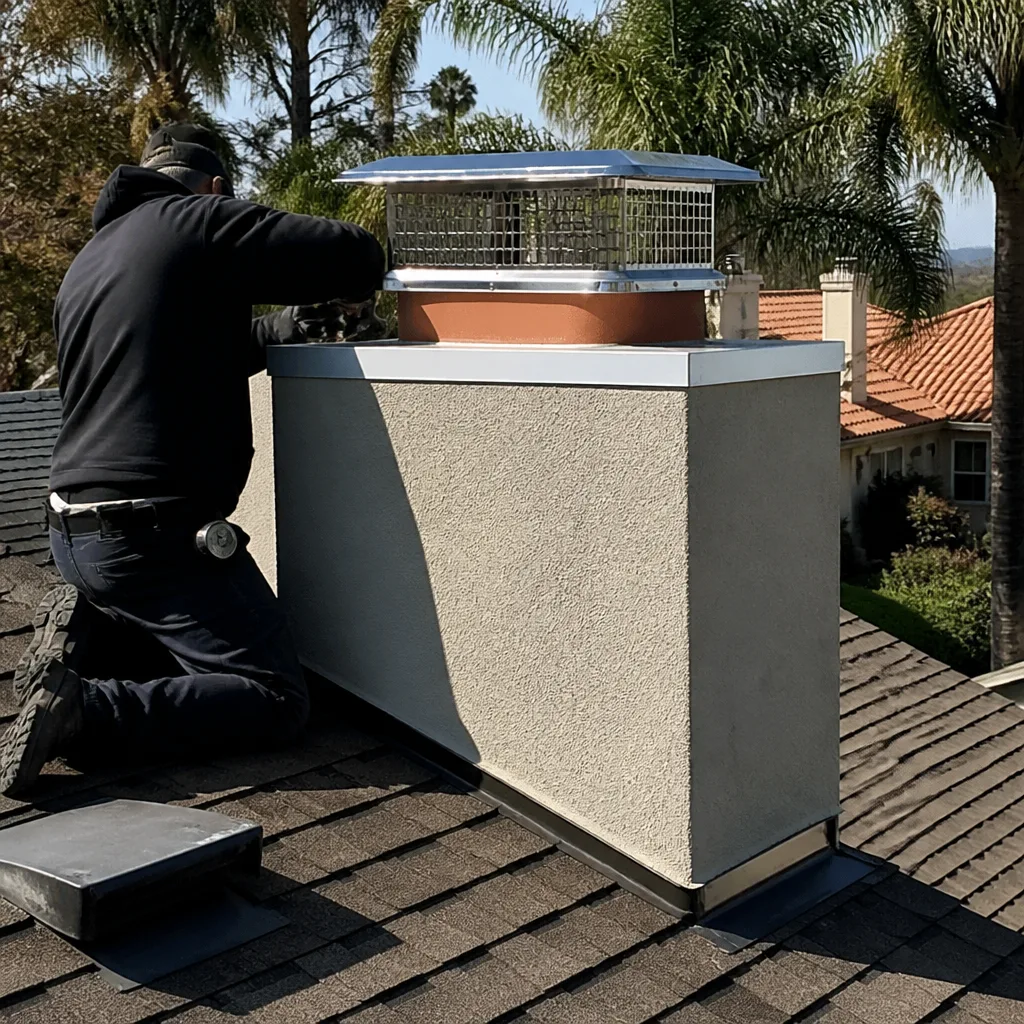
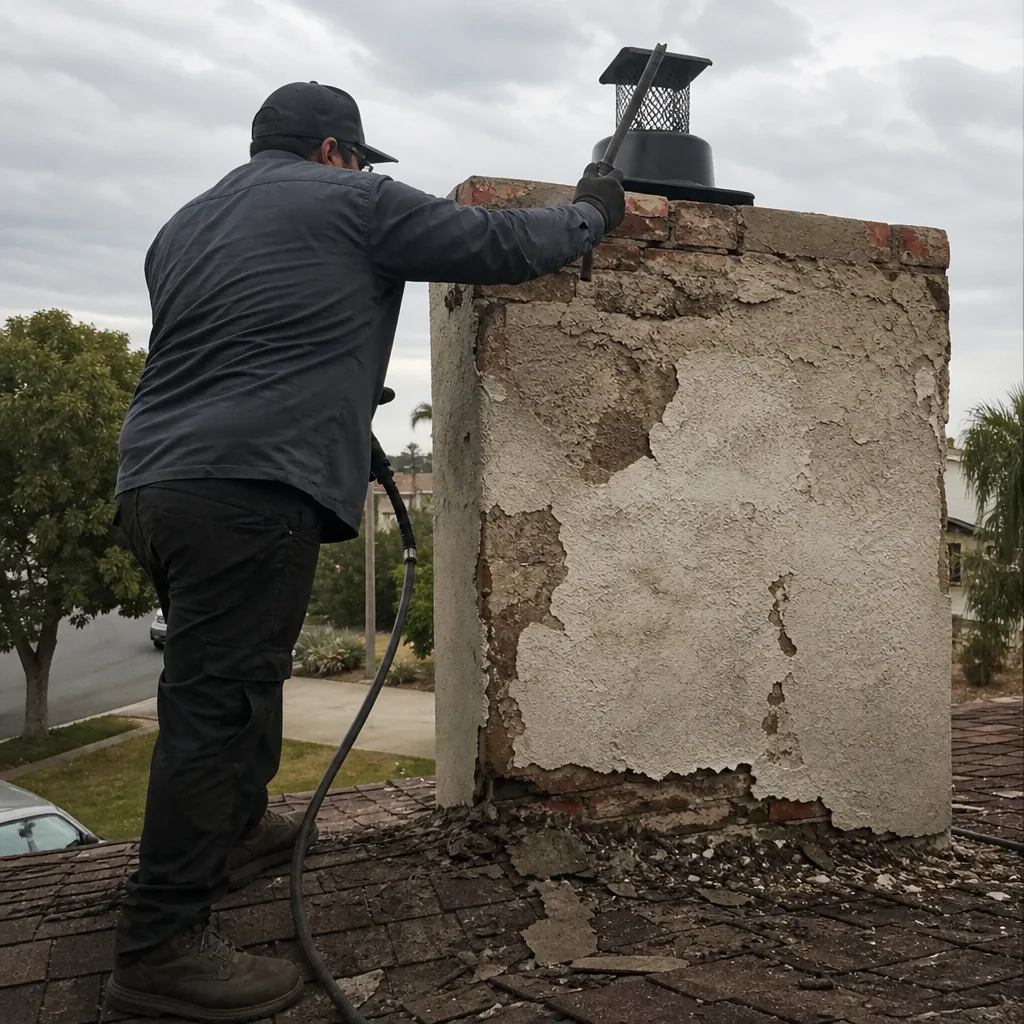
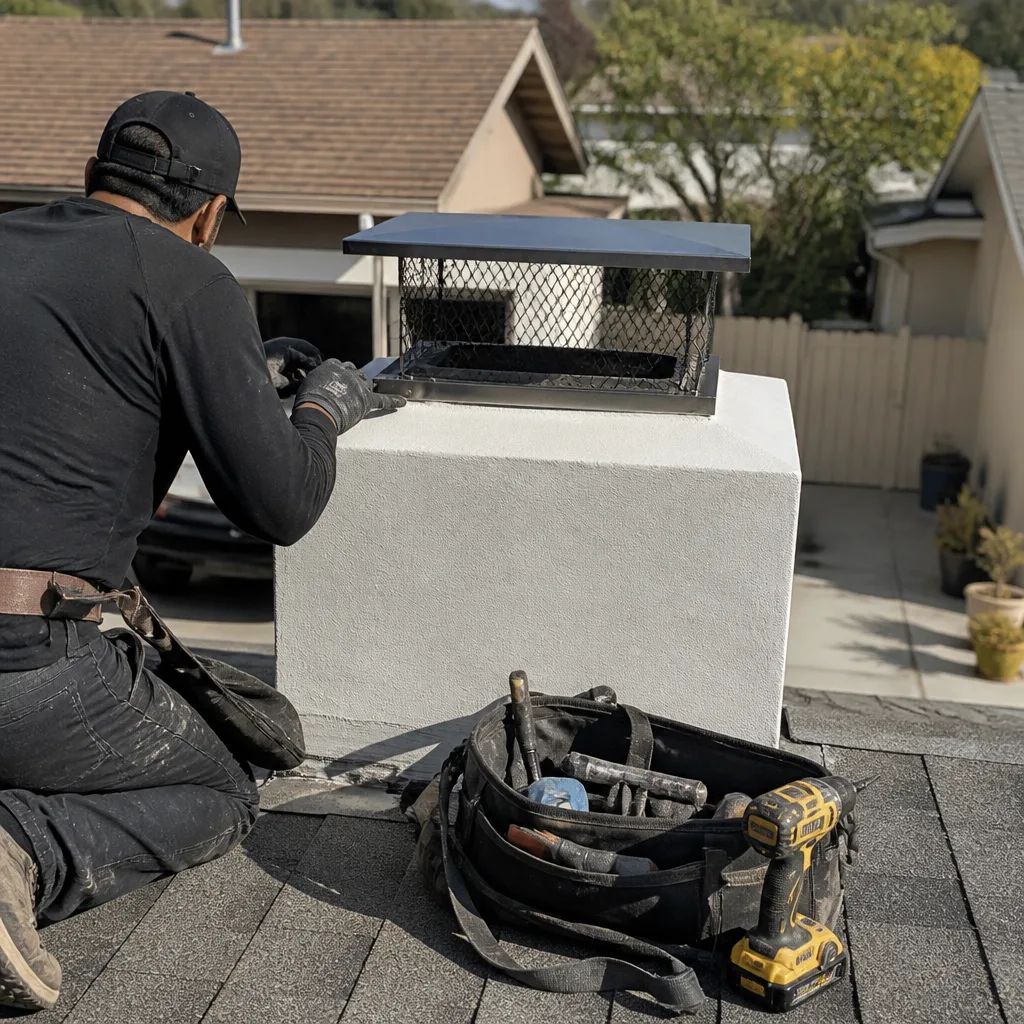
See the difference
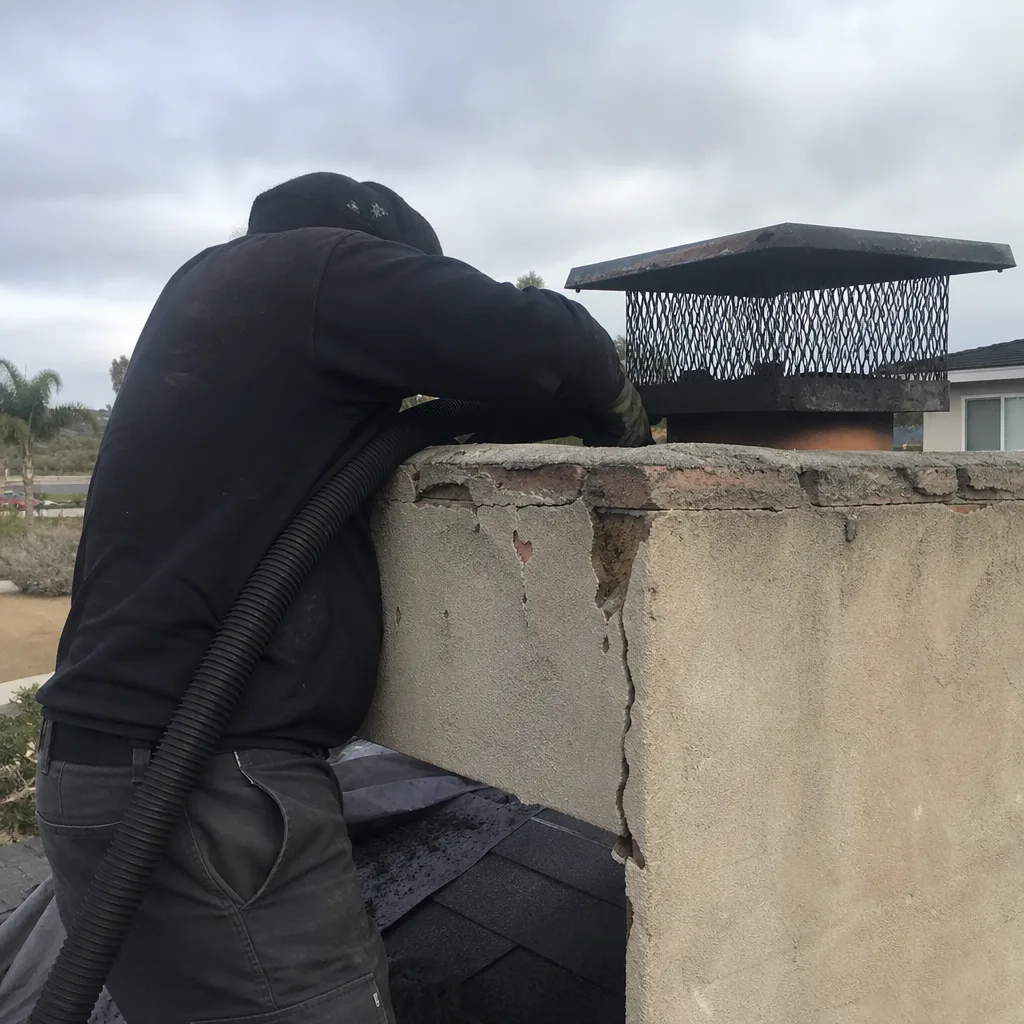 Before
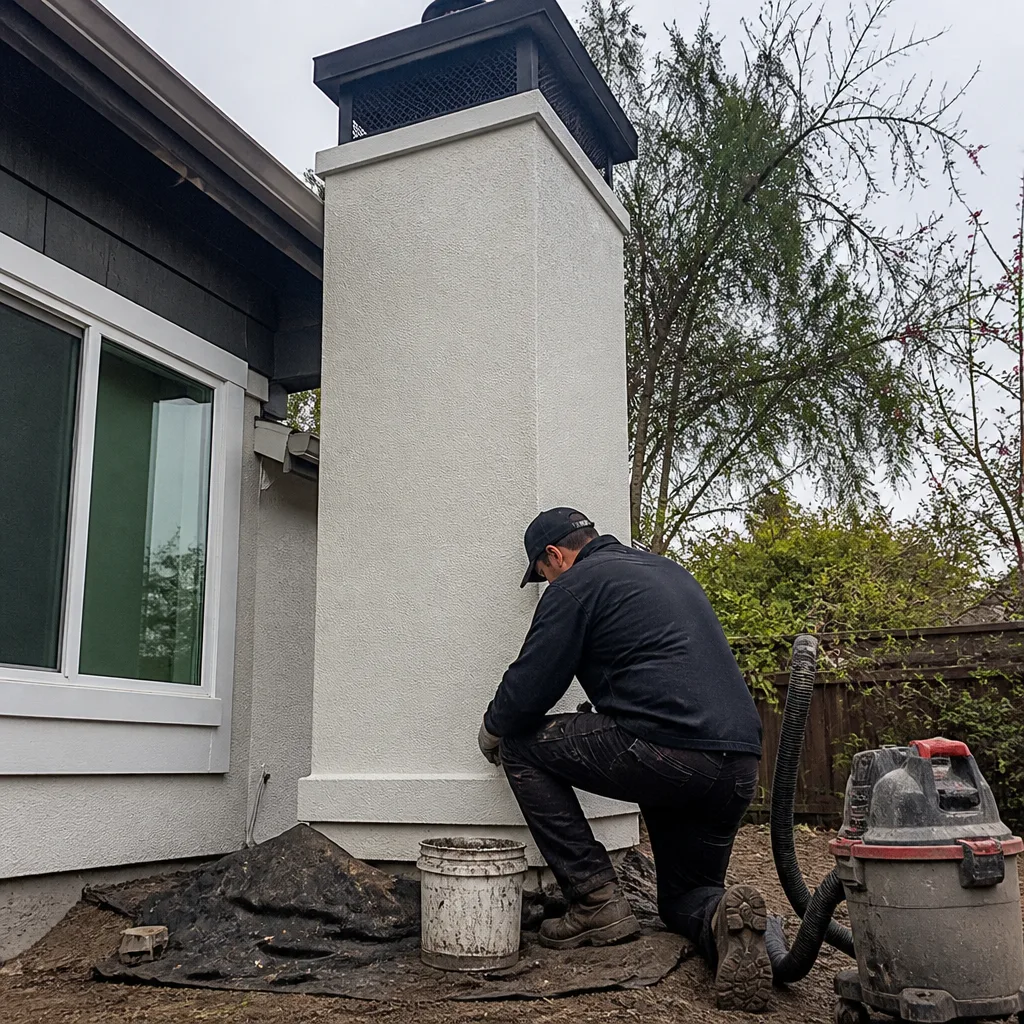 After
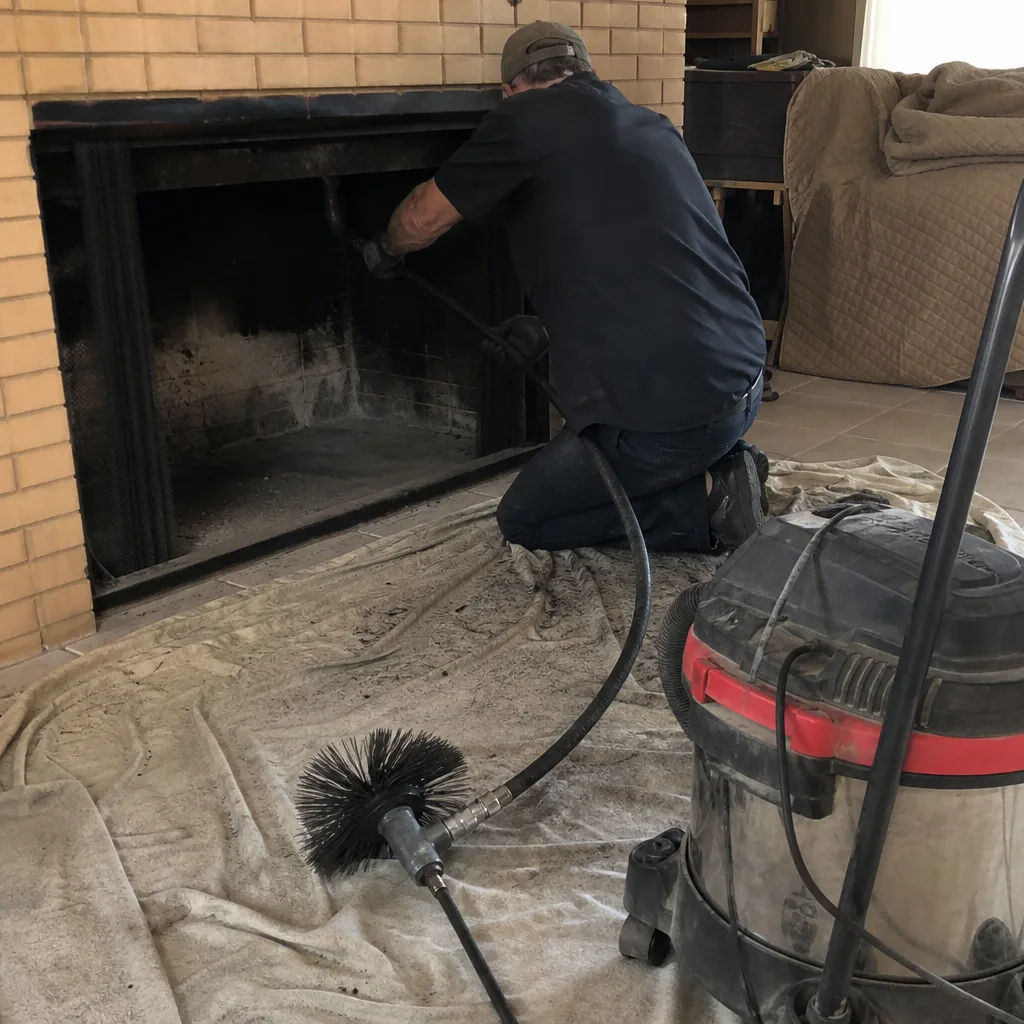 Before
 After
 Before
 After