
Last updated November 2, 2026
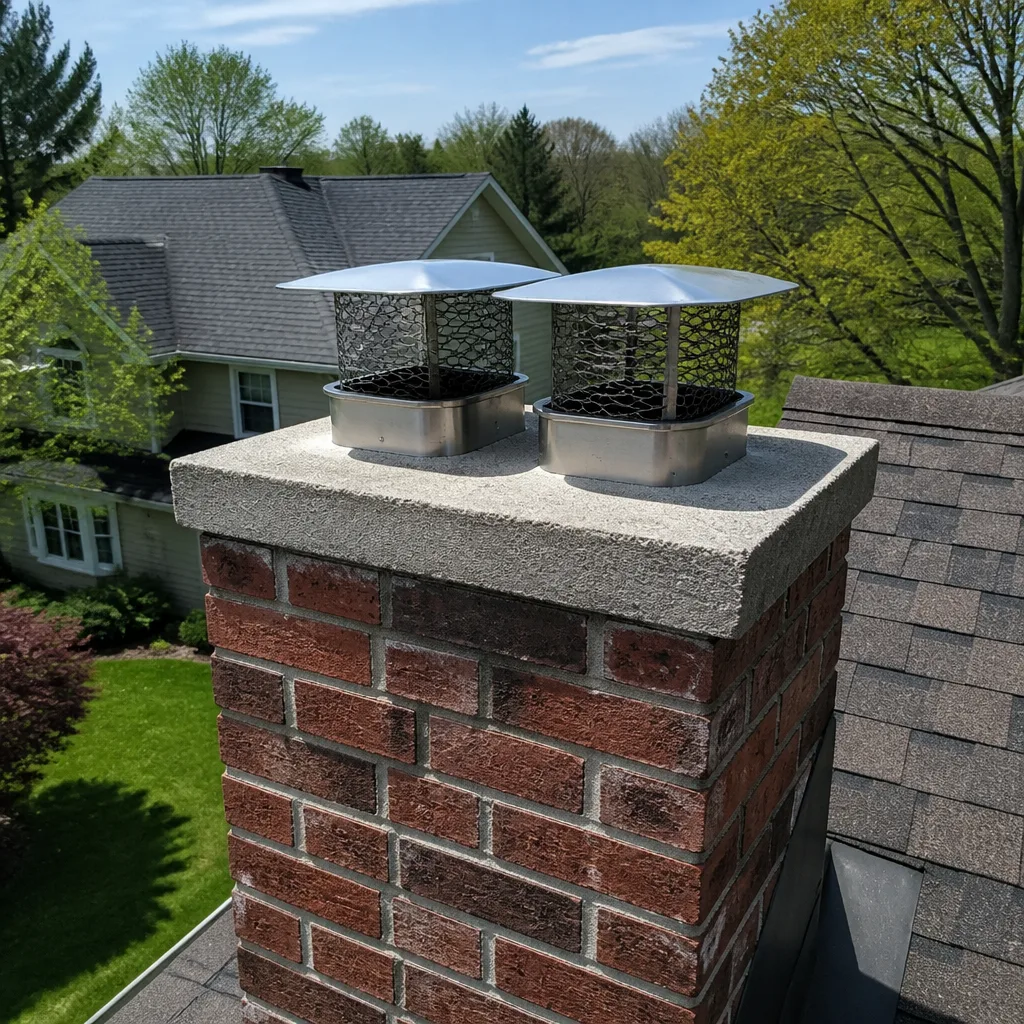 Sweep & inspection
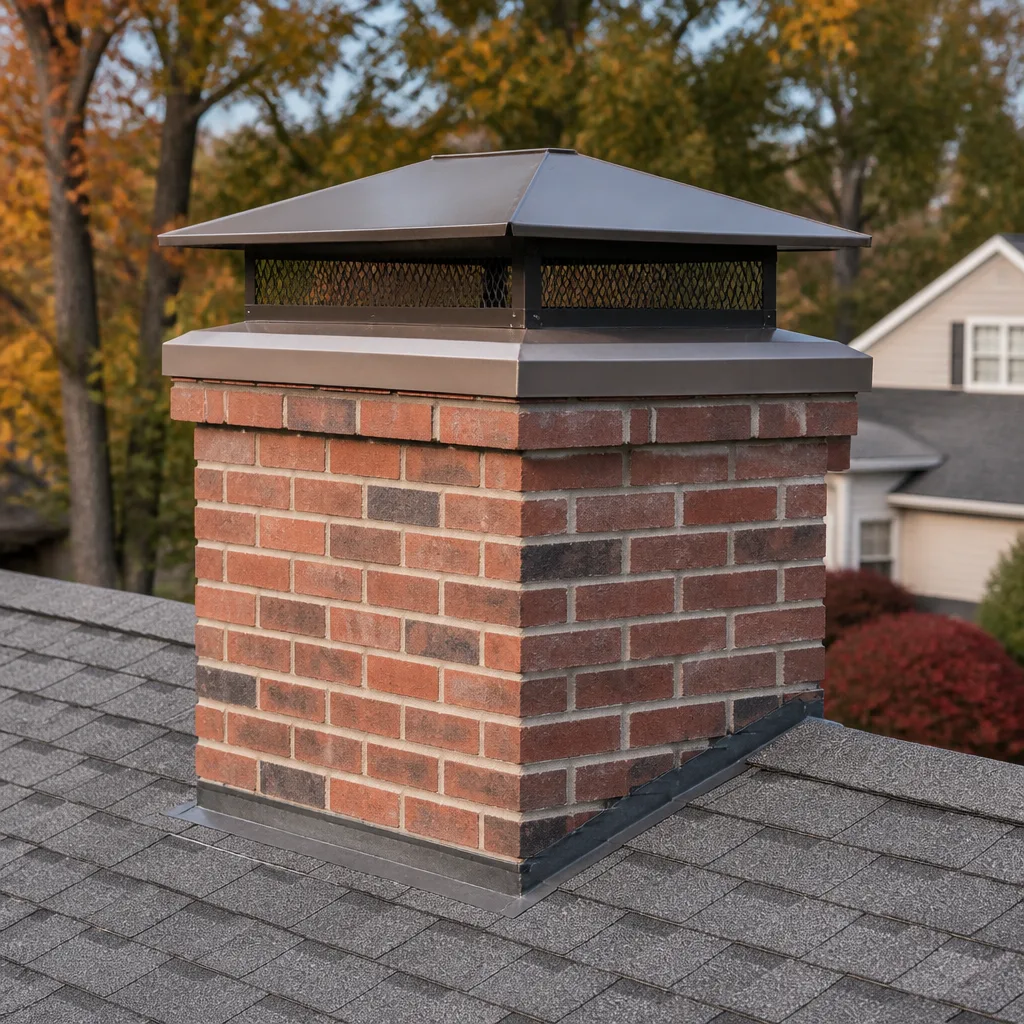 Caps & crowns
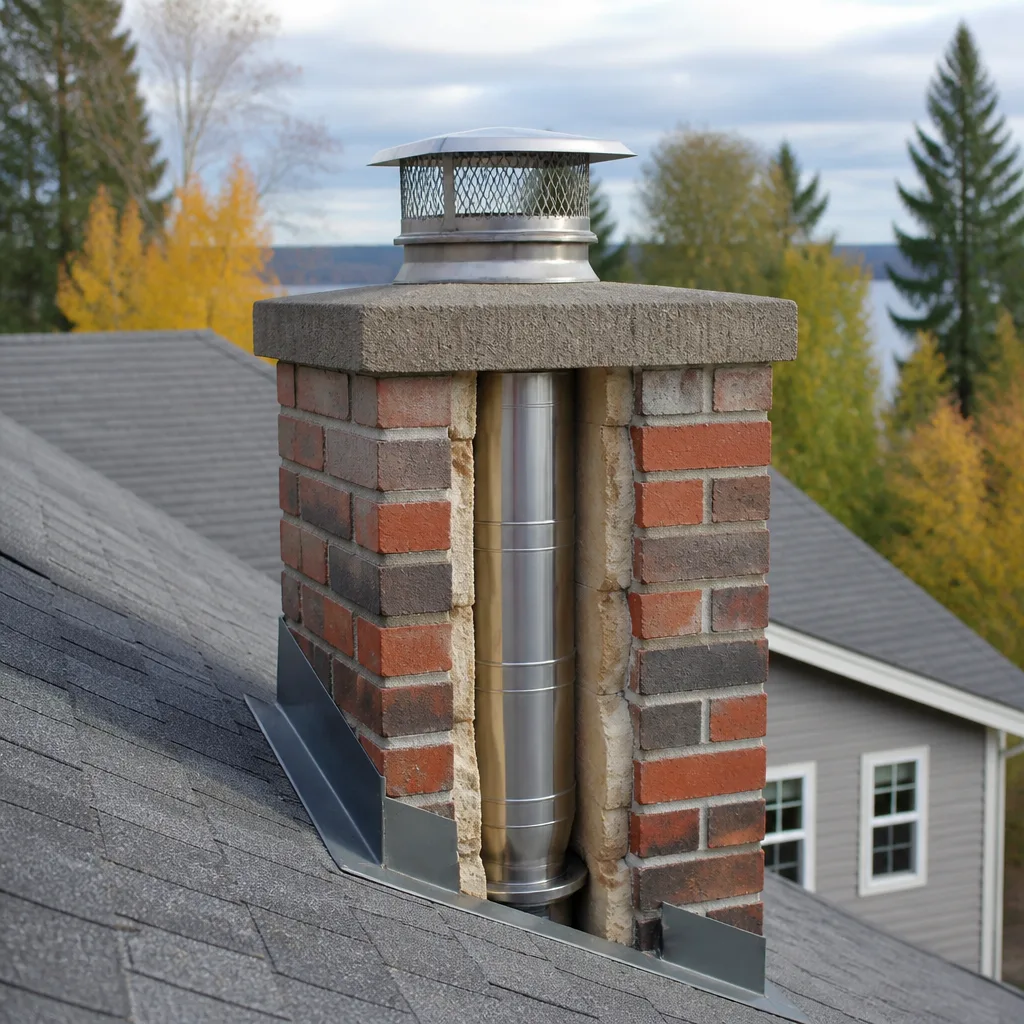 Flue relining
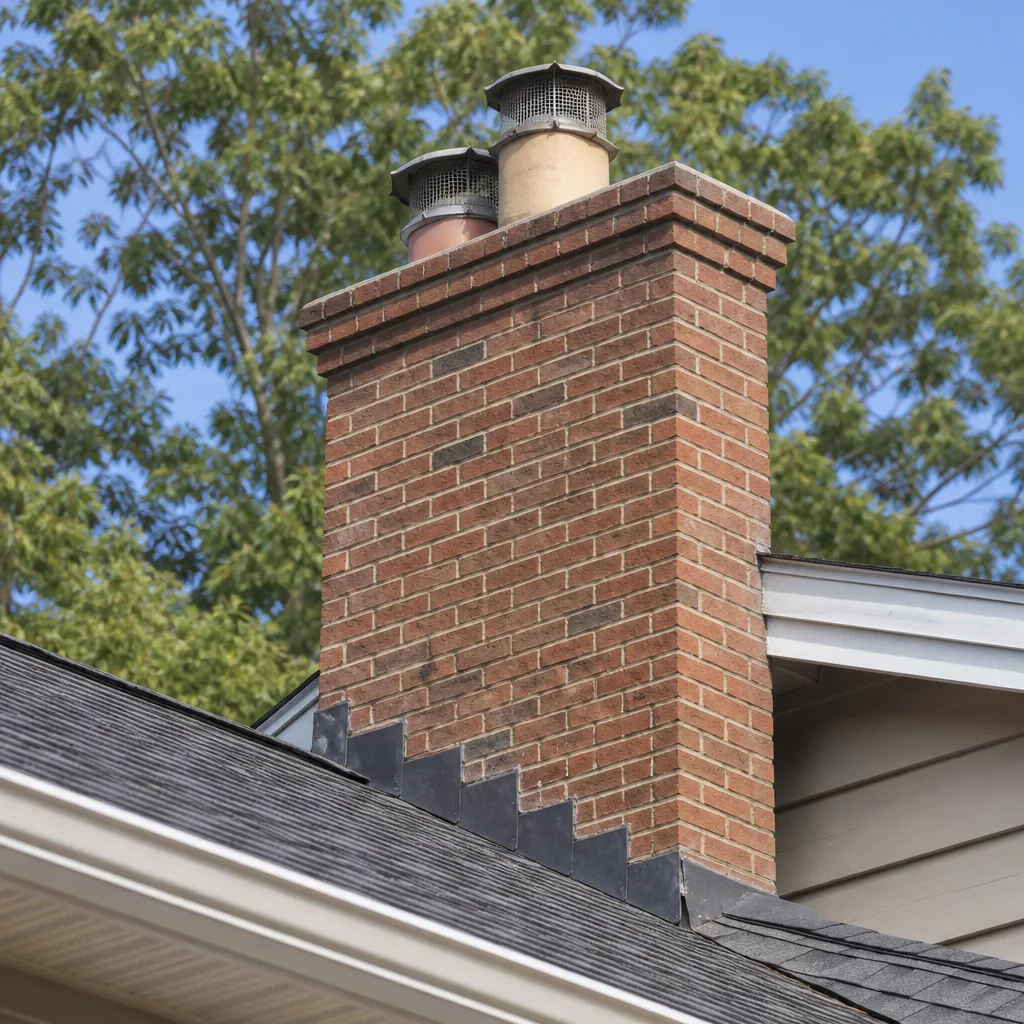 Masonry repair
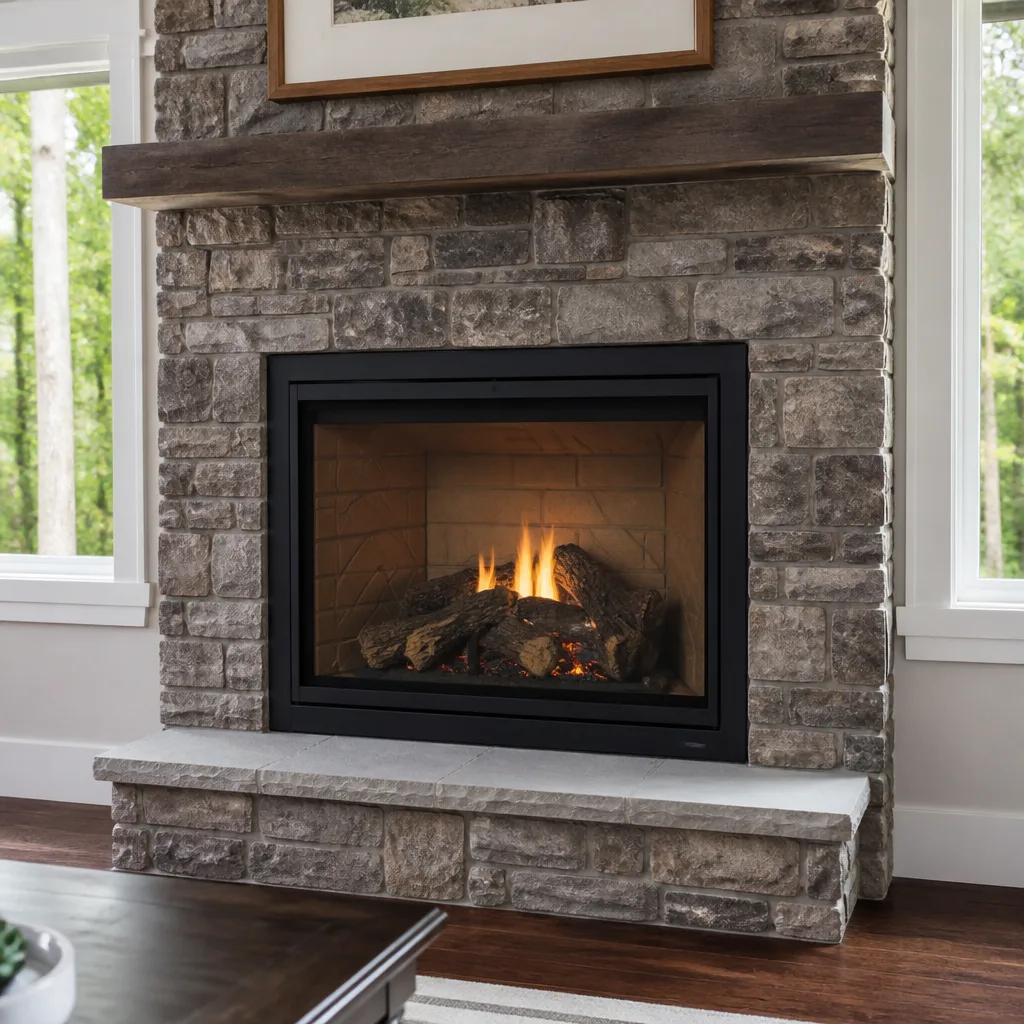 Gas fireplace service
Level 1 sweep and inspection to the NFPA 211 annual standard - flue, crown, cap, and flashing checked and photographed
Chimney sweep logs do not sweep chimneys. They loosen some creosote - which then falls where a brush and vacuum still have to collect it.
Seasonal Chimney Cleaning Care for San Marcos: Year-Round Homeowner’s Guide
The chimney damage you discover in November was almost certainly happening in June. You just couldn’t see it, because the fireplace sat closed and nobody looked. San Marcos homeowners tend to treat chimney care as a cold-weather chore, but the months when your fireplace sits idle are exactly when moisture works into masonry, pests build nests in uncapped flues, and creosote deposits quietly harden into a glaze that becomes harder to remove with every week it sits. This guide maps chimney maintenance to San Marcos’s actual seasonal patterns, so you know what your flue needs in spring, summer, fall, and winter, and why the timing matters as much as the task itself.
Styles & brands we work with
- Sweep & inspection
- Caps & crowns
- Flue relining
- Masonry repair
- Gas fireplace service
Quick Answer
Seasonal chimney care in San Marcos means scheduling a professional sweep in early-to-mid fall before your first fire, inspecting the cap and crown every spring after winter rains, checking for pest activity and moisture intrusion during summer months when the fireplace is dormant, and keeping an eye on masonry after heavy storms year-round. The most important habit is simple: have your chimney swept and inspected at least once per year, ideally in October, regardless of how often you burn.
Table of Contents
- Why San Marcos’s Climate Misleads Homeowners About Their Chimneys
- Spring Chimney Care: Pest Exclusion and Moisture Assessment
- Summer Chimney Care: The Dormant Months Are Not Harmless
- Fall Chimney Care: Pre-Season Sweep and Inspection Checklist
- Winter Chimney Care: Rain, Spalling, and What Burning Season Does to Your Flue
- A Rolling 12-Month Chimney Care Calendar for San Marcos
- Common Mistakes to Avoid
- When to Call a Professional
- Frequently Asked Questions
- The Bottom Line
Why San Marcos’s Climate Misleads Homeowners About Their Chimneys
San Marcos sits in a Mediterranean climate zone, with warm dry summers, mild wet winters, and the kind of year-round weather that makes a fireplace seem optional rather than essential. That mildness is the problem. In colder regions, homeowners have a built-in reminder: the first frost sends them to the chimney sweep. In San Marcos, the cues are subtler, and a chimney can go years without attention because nothing obvious ever forces the issue.
But the environment here does specific, measurable things to chimney systems. The marine layer burns off by mid-morning in most San Marcos neighborhoods, but the overnight humidity still finds its way into porous masonry. The Santa Ana winds in fall push dry air, ash, and debris across rooftops, caking screens and caps with fine particulate. Winter rains, when they arrive, are often intense and intermittent rather than slow and soaking, which creates a different kind of stress on chimney crowns than a wetter climate would. Each season has a signature effect on your flue, and each one deserves a specific response.
We’ve seen chimneys in San Marcos with creosote buildup that looks like it came from a cabin in the Sierras. The homeowner burns twelve fires a year and assumes that modest use means modest buildup. But creosote forms relative to burn conditions, not just volume. A few smoldering fires with the damper throttled too far down can create more glazed creosote than a season of hot, complete combustion elsewhere. That’s why seasonal timing matters: the calendar tells you when to look, but the actual condition of the flue tells you what needs doing.
Spring Chimney Care: Pest Exclusion and Moisture Assessment
Spring in San Marcos is the season of displaced wildlife. Birds, squirrels, and raccoons that spent winter in trees start looking for enclosed spaces, and an uncapped chimney is the closest thing to a ready-made nesting cavity. The timing is specific and legally protected. Chimney swifts, in particular, begin their spring migration and nesting period in California between March and May, and they favor the vertical dark interior of an unlined or uncapped flue.
Here’s what spring chimney care should include:
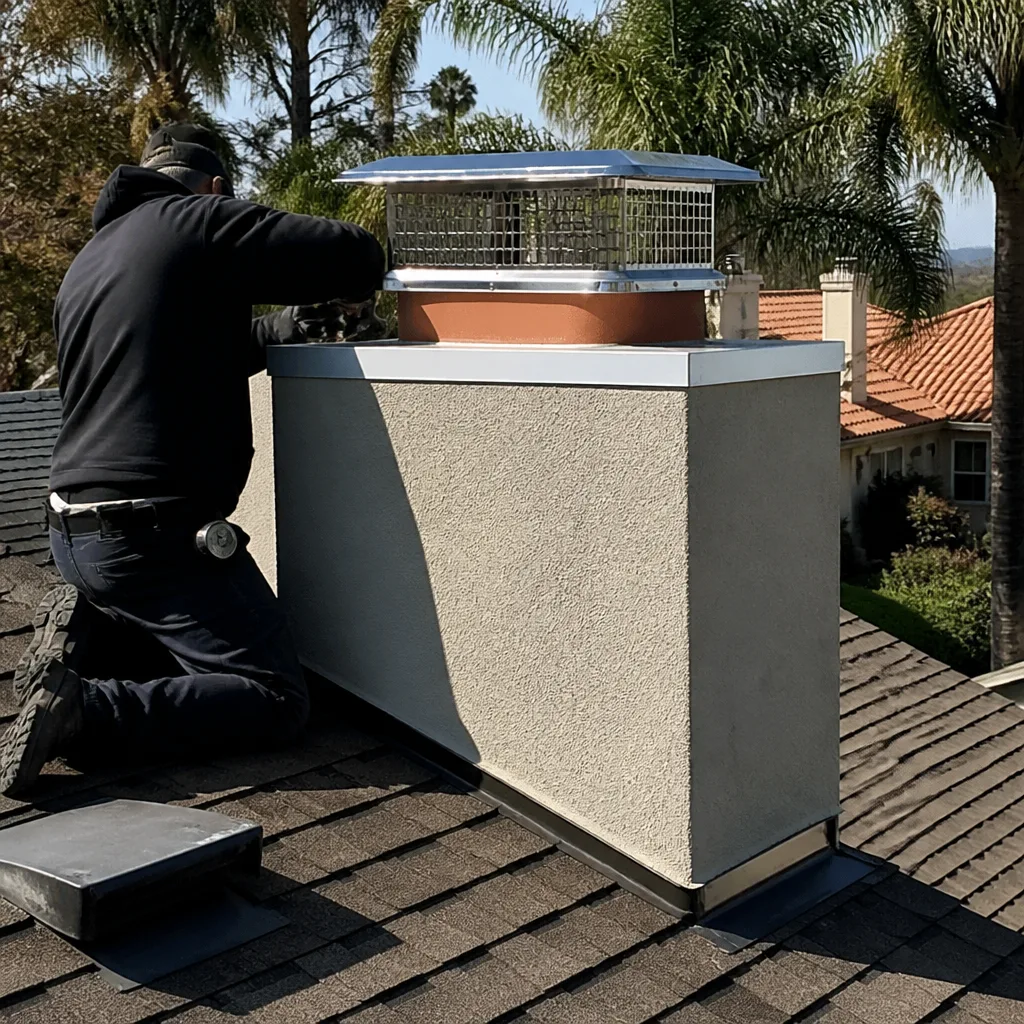
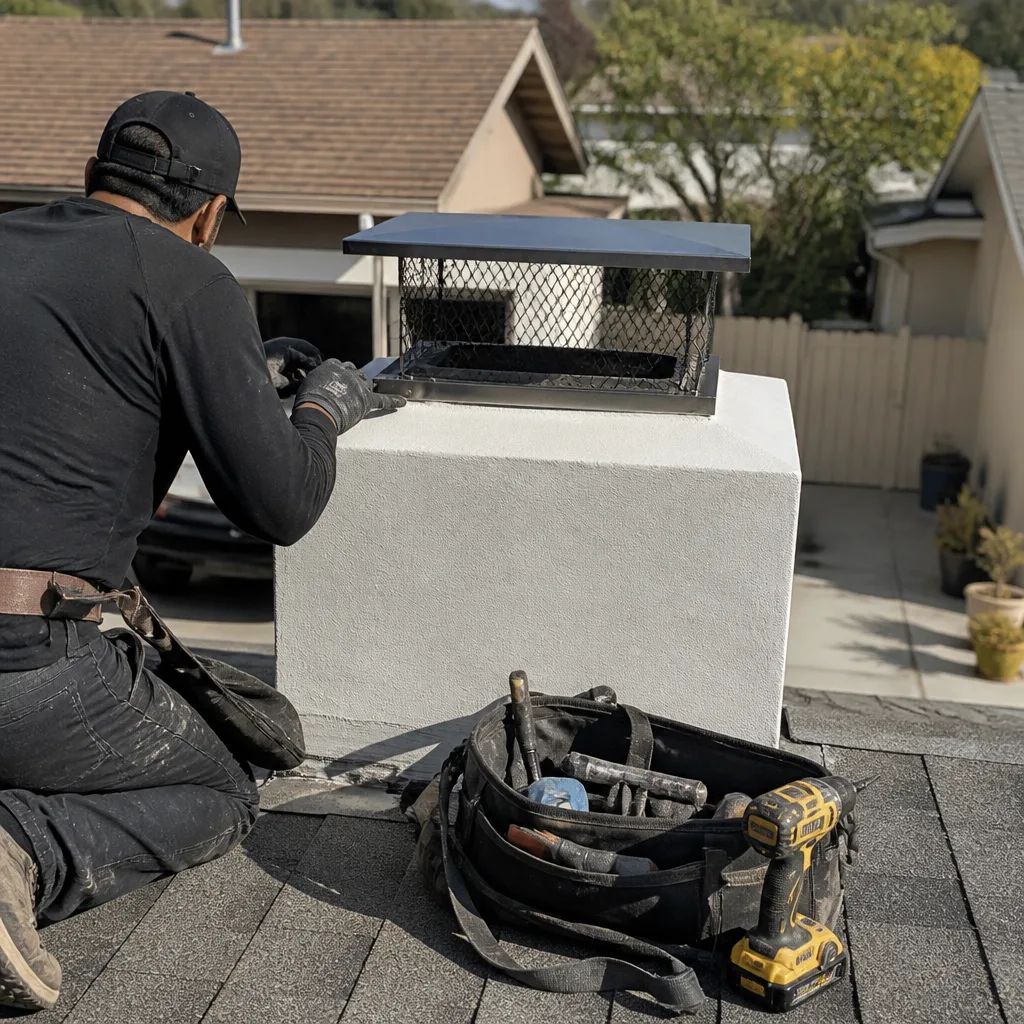
- Inspect the chimney cap after winter storms. Look for bent mesh, loosened fasteners, or missing sections. The cap mesh is what keeps birds and rodents out, and a hole the size of a quarter is big enough for a house sparrow.
- Check the flue for nesting material before the end of March if you haven’t burned since winter. If you hear chirping or fluttering from the fireplace, close the damper and call a professional. Do not try to smoke out or remove protected birds yourself.
- Run a moisture assessment on the masonry. After spring rains, look for dark streaks on the chimney exterior, white efflorescence deposits, or pieces of mortar on the roof or ground at the chimney’s base.
- Clean the crown and cap of accumulated debris. San Marcos’s spring winds carry pollen, leaves, and fine dust that cakes onto horizontal surfaces and can hold moisture against the masonry for weeks.
The moisture assessment matters more than most homeowners realize. In our experience across San Marcos, spring is when we find the majority of crown damage that started as hairline cracks the previous winter. Water seeps into a micro-fissure during a rain event, then expands and contracts with each temperature cycle. By April or May, the crack has widened enough to let real water volume into the chimney chase. Catching that in spring means a straightforward crown patch. Missing it until fall means spalling brick and a five-figure masonry repair.
Summer Chimney Care: The Dormant Months Are Not Harmless
The most counterintuitive truth about chimney care in San Marcos is that summer is often when the damage happens, not when you notice it. Here’s what’s actually occurring inside your chimney from June through September:
Trapped heat volatilizes creosote. When you close the damper after the last fire of spring, you’re sealing a column of warm, stagnant air inside the flue. As San Marcos summer temperatures push into the high 80s and 90s, the chimney absorbs solar heat through the masonry and through the roof. The internal temperature of the flue can climb well above the outside air temperature. Creosote deposits that were stable at 70 degrees become volatile at 110. The result is a slow off-gassing of creosote compounds that condense higher in the flue as a harder, stickier glaze. By the time fall arrives, a light sooty coat has transformed into something that scrapes off like tar. We’ve seen this happen in a single long, hot San Marcos summer.
Wildfire smoke seasons compound the buildup. San Marcos sits in a region where late-summer and early-fall wildfire smoke is a recurring reality. That smoke carries fine particulate and creosote-forming resins into every exposed chimney opening. If your cap screen is intact, it catches some of it. If the screen is damaged, that particulate settles inside the flue and bonds to the existing creosote layer. After a smoke-heavy summer, even a chimney that was professionally swept in spring can have measurable new deposits by September.
Pests are active, and fall is too late. By August, the nesting season is in full swing. A chimney that was pest-free in March can be occupied by August if the cap has even minor damage. Summer is the right time to do a visual check from the ground, looking for birds repeatedly entering and exiting the flue, or squirrels using the chimney as a travel route. Early detection means easy exclusion. Late detection can mean a nest that blocks the flue entirely, and depending on the species, legal restrictions on removal until the nesting season ends.
Summer is also the smart time to schedule what we call a “dormant season inspection.” It’s a quick look at the cap, crown, and interior flue condition while the firebox is cold and the system is fully accessible. This is the cheapest time of year to catch problems, because there’s no seasonal rush and repairs can be scheduled on your timeline. A more thorough summer sweep sets you up for the burning season with a known-clean flue, and it spreads the cost and effort across the calendar rather than front-loading everything into October. Chimney Cleaning San Marcos home details our approach to year-round service scheduling.
Fall Chimney Care: Pre-Season Sweep and Inspection Checklist
Fall is when most San Marcos homeowners think about their chimneys, and for good reason: the first cool evening of October triggers the reflex to light a fire. But here’s the critical distinction: fall is the season to prepare the chimney, not to discover it needs work. If you’ve followed the spring and summer guidance, a fall sweep is a confirmation that everything is ready. If you skipped those seasons, the fall sweep is where you find out what’s been happening for the last six months, often at the worst possible moment.
Why October beats December in San Marcos. Fireplace use in San Marcos is concentrated, not continuous. You might burn from Thanksgiving through February, then not again until next Thanksgiving. That pattern means the pre-season window is narrow, and October is the sweet spot. The weather is still dry enough for easy roof access, the days are long enough to schedule without rushing, and there’s no competition for appointment slots. By the second week of November, everyone who waited until the first cold snap is calling at once. The sweep gets scheduled, but the inspection happens under time pressure, and any repair that comes up has to compete with everyone else’s repair. October means unhurried work and a clear answer before you ever strike a match.
Here’s the fall pre-season checklist we recommend for every Chimney Sweep in San Marcos customer:
- Schedule the professional sweep and inspection no later than mid-October. This should include a visual and camera inspection of the full flue length, not just a surface brush.
- Verify the cap and screen are intact before burning season. A damaged cap in October is a pest entry point by December.
- Test the damper operation. It should open and close with smooth resistance. If it’s sticky, rusted, or loose, have it addressed before the first fire.
- Clear the firebox of any debris, pet hair, or accumulated dust from the dormant months. Check for signs of moisture intrusion at the firebox floor and walls.
- Check the smoke chamber for accumulated soot or debris. This is the area just above the damper, and it’s a common spot for pieces of mortar or nesting material to settle.
- Have the chimney cleaned if you’ve burned anything at all since the last sweep. A few fires on mild evenings can create enough creosote to matter, especially if the fires were low and slow.
One thing we tell every San Marcos homeowner: the sweep is not the end goal, it’s the diagnostic tool. The brush removes soot and creosote, but the real value is what the sweep reveals about the condition of the flue, the liner, the smoke chamber, and the crown. If we find a deteriorating flue liner during an October sweep, there’s still time to schedule a repair using materials like HeatShield or DuraFlex before the real burning season starts. If that same discovery happens in December, the supply chain and schedule are both tighter. That’s the difference between a prepared chimney and a reactive one.
Winter Chimney Care: Rain, Spalling, and What Burning Season Does to Your Flue
Winter in San Marcos brings the two things your chimney cares about most: fire and water. Not always at the same time, and not always in the way you’d expect. The burning season runs roughly November through February, and it’s the period when your chimney does its actual work. But it’s also when the system takes on its most concentrated stress, and the way San Marcos winters unfold creates specific failure patterns.
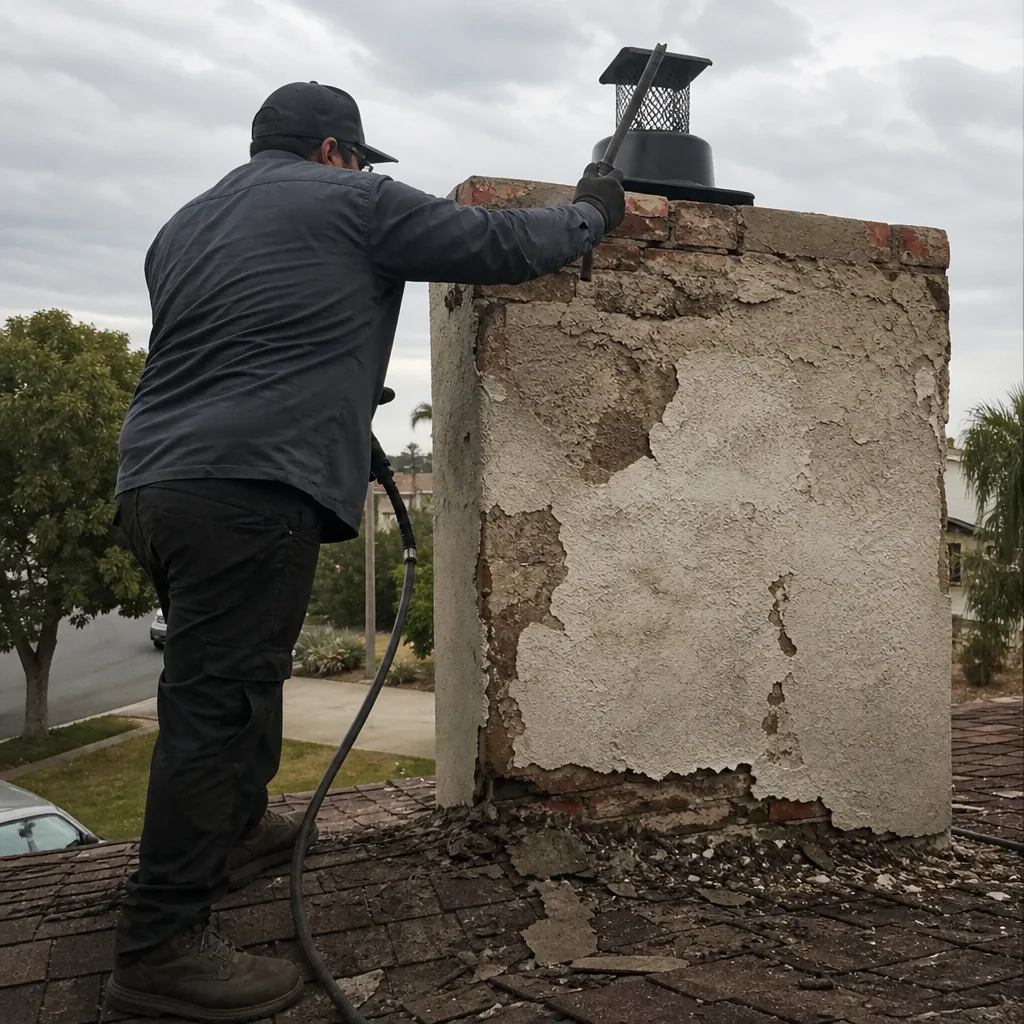
San Marcos rain is different from other climates. This region doesn’t get the slow, persistent drizzle of the Pacific Northwest or the summer downpours of the Midwest. San Marcos gets periodic hard rain, delivered in a few intense events per season, with long dry stretches in between. That pattern is harder on masonry chimneys than steady moisture. A chimney absorbs water during a heavy storm, then bakes dry in the following two weeks of sunshine. Each wet-dry cycle pushes moisture deeper into the porous brick and mortar through capillary action, and each cycle stresses the bond between mortar joints and brick units. The visible result is spalling: brick faces popping off in flakes and chunks, leaving the softer interior of the brick exposed. Once spalling starts, it accelerates, because the exposed interior brick absorbs water even faster.
The crown is the weak point. The chimney crown sits at the very top, a flat or sloped concrete surface that’s supposed to shed water away from the flue and onto the roof. In most San Marcos chimneys, the crown is the original construction, poured thirty or forty years ago with whatever mix the builder had on hand. It’s full of hairline cracks by now, and those cracks are the primary entry point for water into the chimney system. A cracked crown lets water into the masonry just below the surface, where it freezes and thaws (yes, San Marcos gets occasional freezing at night in winter) and gradually widens the fissure. By February, a crown crack that was cosmetic in November is structural.
Burning season changes the interior chemistry. When you burn regularly, the flue gets hot, and the creosote and soot that accumulate are kept at least partially fluid and mobile. The chimney is “alive,” in a sense. When you stop burning in March, everything cools and hardens into place. That’s why winter chimney care isn’t about cleaning during the burn season (the heat keeps deposits manageable), it’s about paying attention to what the burning is revealing. If you notice smoke backing into the room on a windy day, that’s a drafting issue that needs investigation. If you smell a strong acrid odor from the fireplace when it’s not in use, that’s often glazed creosote off-gassing. Our Chimney Repair in San Marcos service exists for exactly these findings.
What to do during winter:
- Burn only well-seasoned hardwood. Green or wet wood produces more creosote, faster.
- Keep fires hot and brisk when possible. A smoldering, damped-down fire produces the worst creosote profile.
- Watch the chimney cap for signs of animal activity after storms. Raccoons displaced by winter weather look for warm flues.
- Check the firebox after each heavy rain for water streaks or dampness at the base. Small leaks now are visible evidence of a bigger problem you’ll need to address in spring.
- Leave the damper open when the fireplace is not in use, to allow air circulation and prevent the trapped-heat volatilization problem described in the summer section.
A Rolling 12-Month Chimney Care Calendar for San Marcos
Rather than thinking of chimney care as a once-a-year event, it helps to build a rolling calendar that follows San Marcos’s weather patterns. Here’s what twelve months of attention looks like, month by month:
January (mid-winter, active burning)
Nothing intrusive. Burn clean wood, keep fires hot, watch for drafting problems. Note any water intrusion after heavy rain. Leave the damper open between fires.
February (peak rain, active burning)
Check the chimney exterior after storms for fresh cracks, spalling brick, or mortar debris. This is prime water-damage season. Still burning, so still watching rather than cleaning.
March (rain tapering, burning declining)
Schedule a post-season visual inspection if you’ve burned more than a dozen fires. Consider whether a full sweep is warranted based on creosote accumulation and burn frequency.
April (spring transition, pest migration)
This is the critical month for pest exclusion in San Marcos. Check the cap screen, listen for bird activity in the flue, and schedule any cap repairs before nesting season peaks. Spring is also the time to address any winter water damage before summer heat sets it.
May (dry weather, pests active)
Do a ground-level visual check with binoculars. Look for birds entering and exiting the flue, vegetation growing from the masonry, or obvious crown damage. Schedule a professional inspection if anything looks off.
June (summer begins, fireplace dormant)
This is a good time for a dormant-season chimney inspection. The system is cold, fully accessible, and any winter damage you identified can be repaired on an unhurried timeline.
July (peak summer heat)
If you skipped the June inspection, do it now. The heat is doing its slow work on any creosote deposits you left behind. A mid-summer sweep is a perfectly good option if you want to enter fall with a known-clean system.
August (wildfire smoke season)
After any significant smoke event, note whether the cap screen has visible particulate buildup. It will settle and harden. A damaged screen means that particulate is inside the flue instead.
September (cooling, pre-fall)
This is the late-scheduling window for your pre-season sweep. If you haven’t already booked, do it now. The October slots fill fast in San Marcos.
October (the sweet spot)
Get the sweep and inspection done. Address any repairs that were identified over the summer. Test the damper, clear the firebox, verify the cap.
November (burning season begins)
First fire goes through a channel that’s been professionally cleaned and inspected. Nothing left to chance.
December (peak burning, holiday fires)
Enjoy the fireplace. Keep an eye on drafting and smoke. Leave the damper open between uses.
This calendar aligns with what’s actually happening to your chimney rather than with generic seasonal advice. The two most important dates are April (pest exclusion) and October (pre-season sweep). If you hit those two every year, everything else becomes optional.
Common Mistakes to Avoid
- Skipping the cap inspection in April. By the time you see a bird fly into the chimney in June, it’s already nesting, and removal becomes legally complicated. A spring cap check is a ten-minute task that prevents a season of problems.
- Treating the sweep as “optional” because you only burn occasionally. Creosote forms relative to burn quality, not just quantity. Half a dozen smoldering fires in San Marcos’s mild winters can leave a flue just as coated as a full season of hot, clean burns.
- Closing the damper and forgetting about the fireplace until fall. Trapped heat and stillness create the ideal conditions for creosote volatilization and pest entry. Leave the damper open during the dormant months, and check the chimney at least once during summer.
- Waiting until December to schedule the pre-season sweep. By December, San Marcos chimney sweeps are booked solid, and any repair you need is competing with every other homeowner’s pre-holiday rush.
- Ignoring small crown cracks in spring. A hairline fracture in April is a hundred-dollar patch. The same crack by November has let enough water in to cause spalling that costs hundreds or thousands to repair.
- Burning unseasoned wood or wood scraps. Construction lumber, pallet wood, and unseasoned logs produce more creosote per fire than properly seasoned hardwood, and that creosote forms in the riskiest part of the flue.
- Using a generalist handyman for chimney work. Chimneys are a specialized system with fire safety codes, draft dynamics, and material compatibility requirements. A generalist who “can take a look” doesn’t have the specialized training to spot the problems that matter most.
When to Call a Professional
Some chimney tasks are safely DIY: clearing a cold firebox, sweeping the hearth, a ground-level visual check with binoculars. Others require a trained technician with specialized equipment and code knowledge. Call a professional if you see spalling brick or deteriorating mortar joints, if you hear or see animals in the flue, if you notice water intrusion after rain, if smoke backs into the room during use, or if you haven’t had a professional sweep in over a year. Chimney Cleaning San Marcos offers free estimates in San Marcos – call (866) 651-2603. Our work spans sweeps, repairs, and Dryer Vent Cleaning in San Marcos, so one call covers both fire-hazard flues.
Frequently Asked Questions
A professional sweep once per year is the baseline recommendation for most San Marcos homeowners, and the best timing is in early-to-mid October before the first fire of the season. If you burn more than twice a week during the winter months, consider a second mid-season sweep.
In San Marcos, a standard chimney sweep with a basic inspection typically runs between $180 and $340, though costs vary based on several factors we cover in our Chimney Cleaning Cost Breakdown: The San Marcos Homeowner’s Reference for 2026, with repairs and additional services like camera inspection or liner restoration quoted separately. We can give you an exact quote over the phone with a little information about your fireplace and home. Call (866) 651-2603 for a free estimate.
You can remove some soot, but a DIY brush pass won’t reach glazed creosote, won’t inspect the liner for cracks or deterioration, and won’t catch the structural issues that a trained technician with camera equipment will find. The brush is not the value; the inspection is.
That acrid smell is usually volatile creosote compounds off-gassing from deposits inside the flue, accelerated by trapped summer heat. It’s a signal that deposits have built up enough to warrant attention, and in some cases it indicates glazed creosote that requires professional removal rather than a standard brush sweep.
Yes. A chimney cap with intact mesh screening is the single most effective preventative measure against pest entry, rainwater intrusion, and debris buildup. In San Marcos’s climate, where pest activity is year-round and rain events are intermittent but intense, an uncapped flue is routinely exposed to things that will eventually require a repair call.
Yes. We offer dryer vent cleaning as one of our core services, which matters because dryer vent fires are one of the most common residential fire hazards. For a full look at how to protect your home year-round, see our Chimney Cleaning Emergency Preparedness Guide for San Marcos Homes. One call covers both the chimney and the dryer exhaust, and both systems get the same professional attention to material quality and code compliance.
The Bottom Line
San Marcos’s mild climate makes chimney neglect easy and chimney damage silent. The system that sits unused from March through October is not resting, it’s changing: moisture is working into crown cracks, heat is hardening creosote, pests are moving into any opening they can find. The remedy is a calendar, not a bigger effort: a pest and moisture check every April, a dormant-season inspection every June or July, and a professional sweep every October. Make sure your service provider follows Chimney Cleaning Permits, Codes & Inspections in CA: What You Need to Know. That rhythm matches what’s actually happening to the flue, and it means the first cold night of November finds you with a system that’s clean, inspected, and safe. If it’s been more than a year since your last professional chimney sweep, now is the right time to schedule it.
Call Chimney Cleaning San Marcos at (866) 651-2603 for a free estimate, or visit our Chimney Cleaning San Marcos home page to learn more. Your flue is our only focus – and we find it, we fix it.
Written by the team at Chimney Cleaning San Marcos, serving San Marcos since 2018. Explore more guides & resources from our team.
See the difference
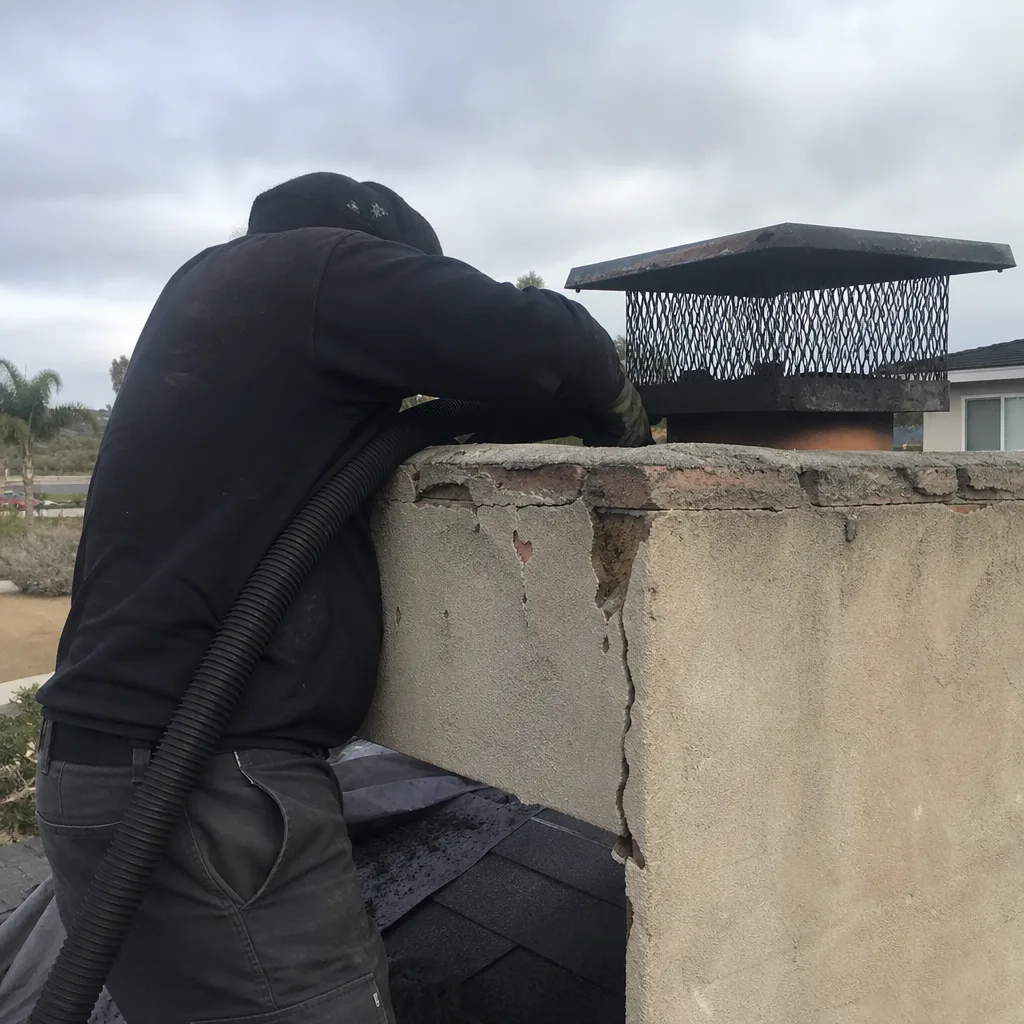 Before
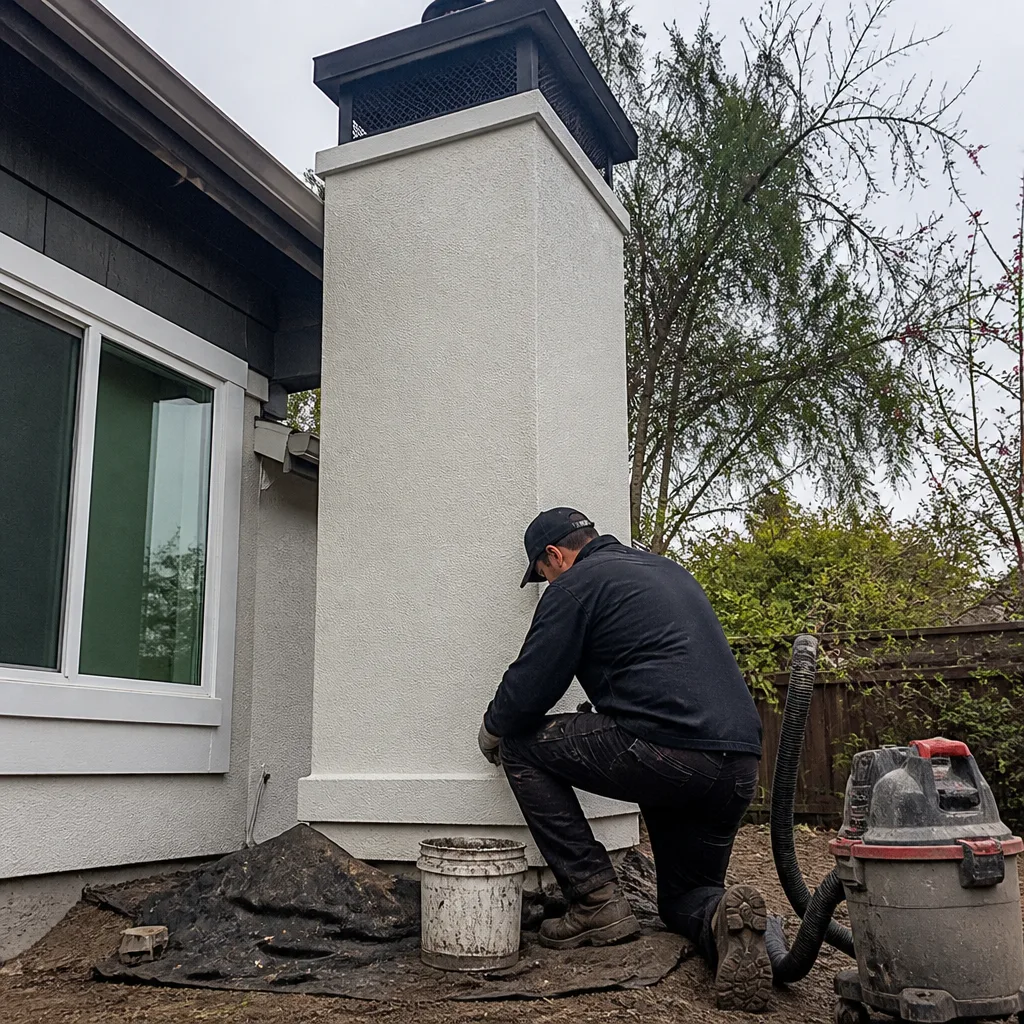 After
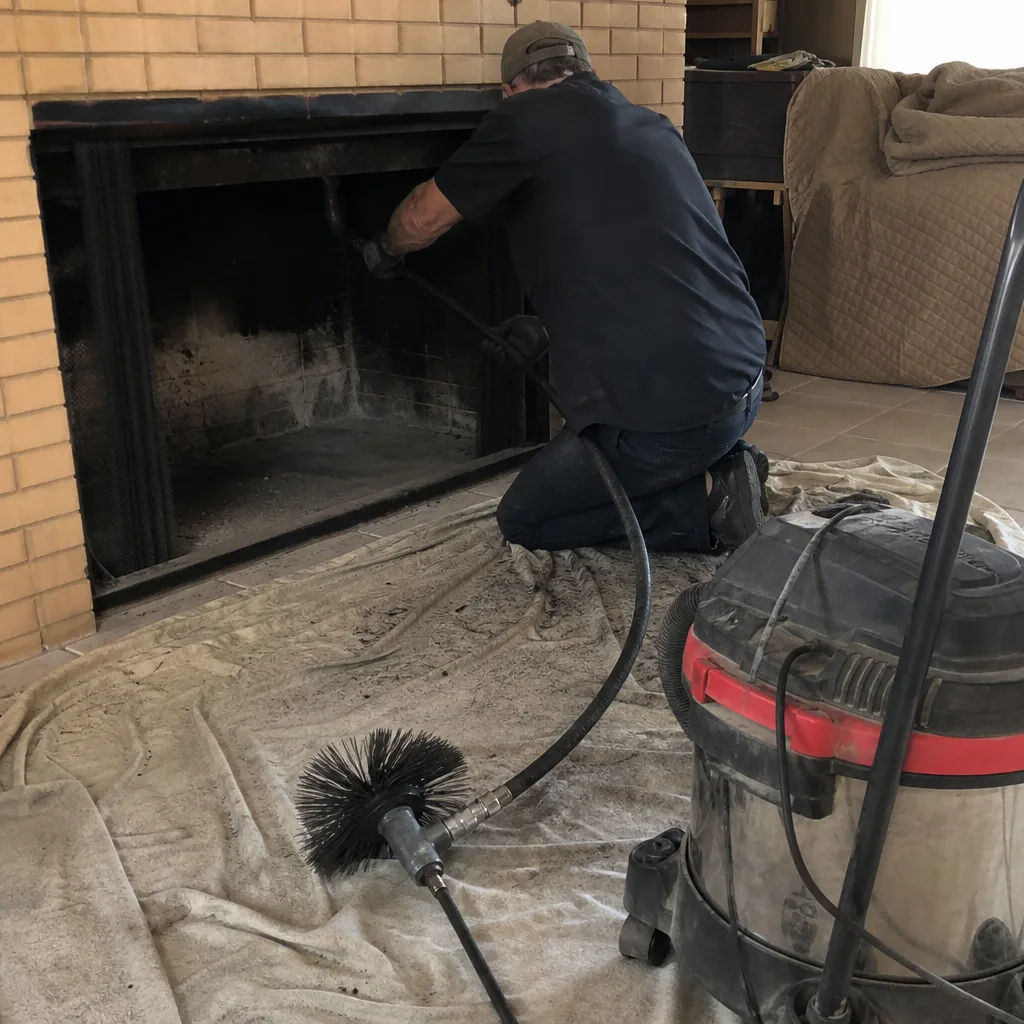 Before
 After
 Before
 After