Last updated November 3, 2026
 Sweep & inspection
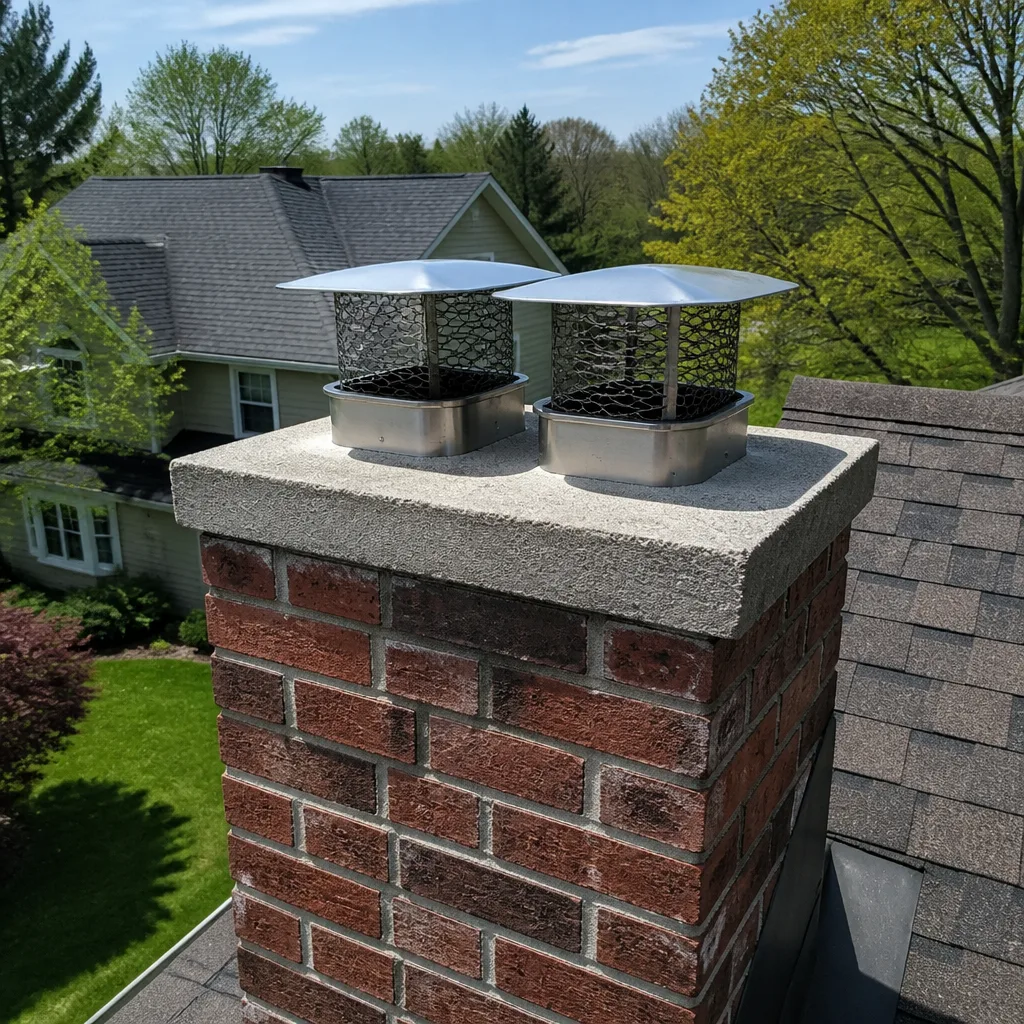
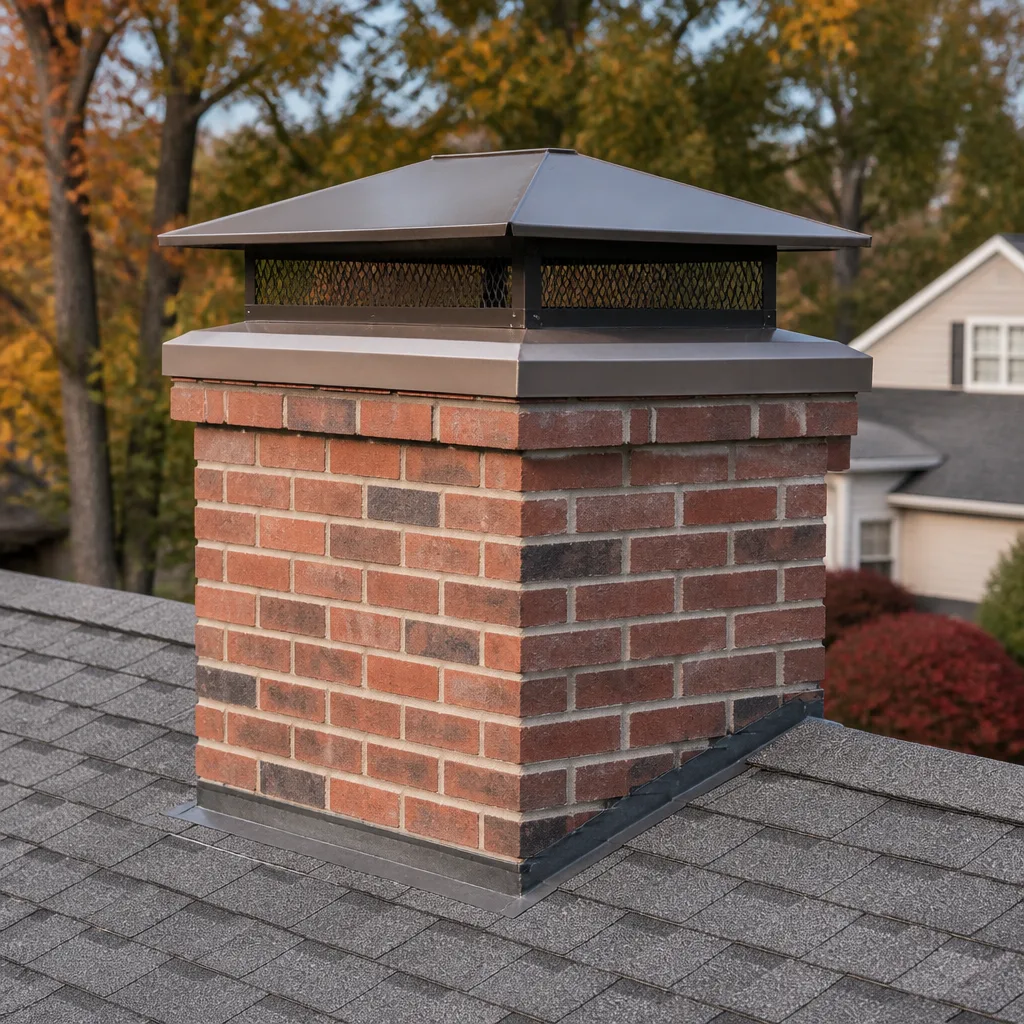 Caps & crowns
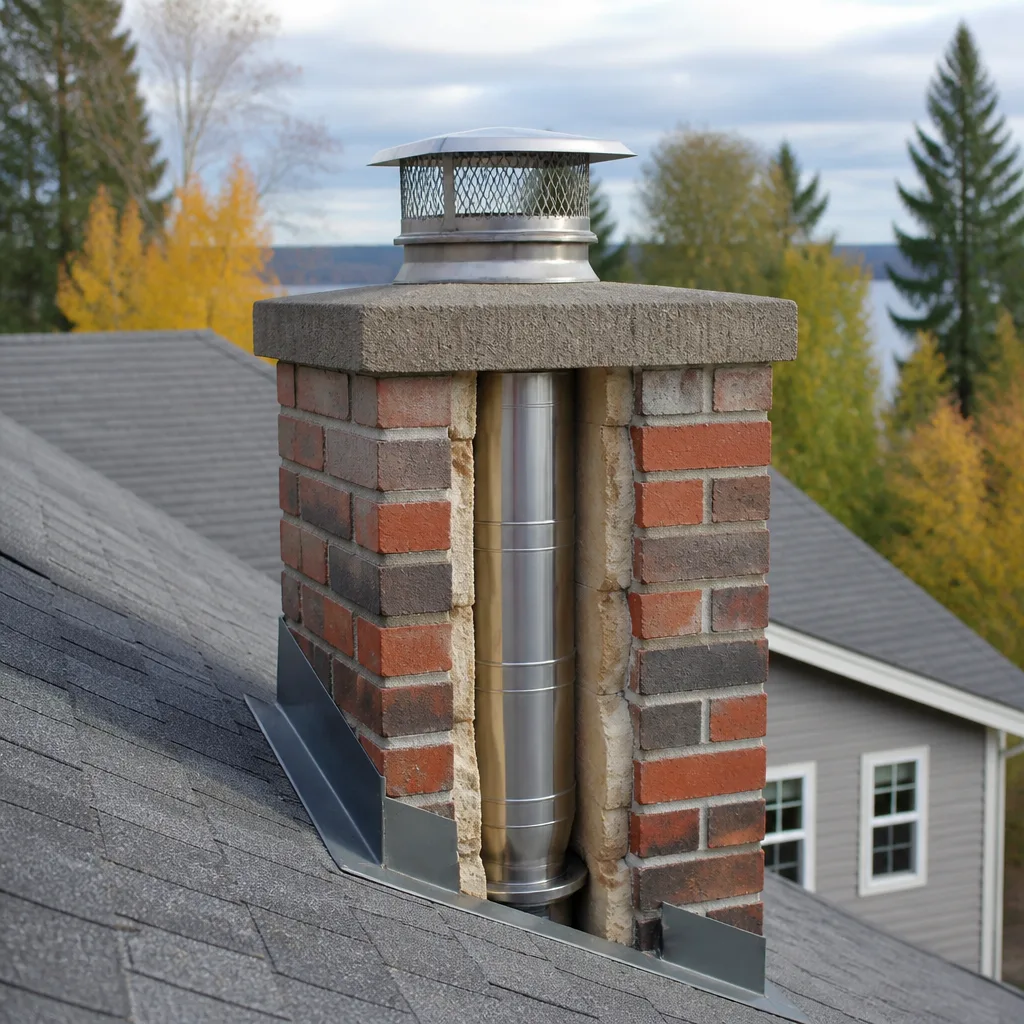 Flue relining
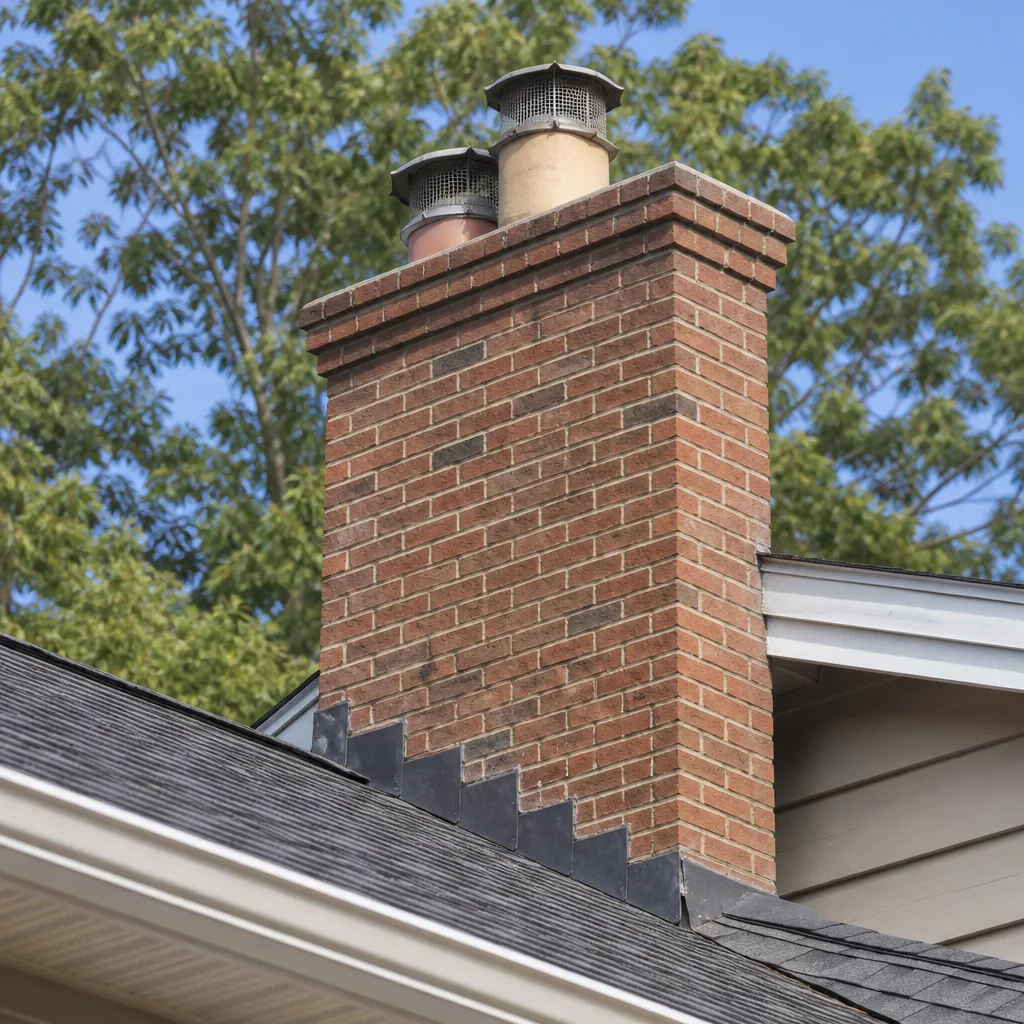 Masonry repair
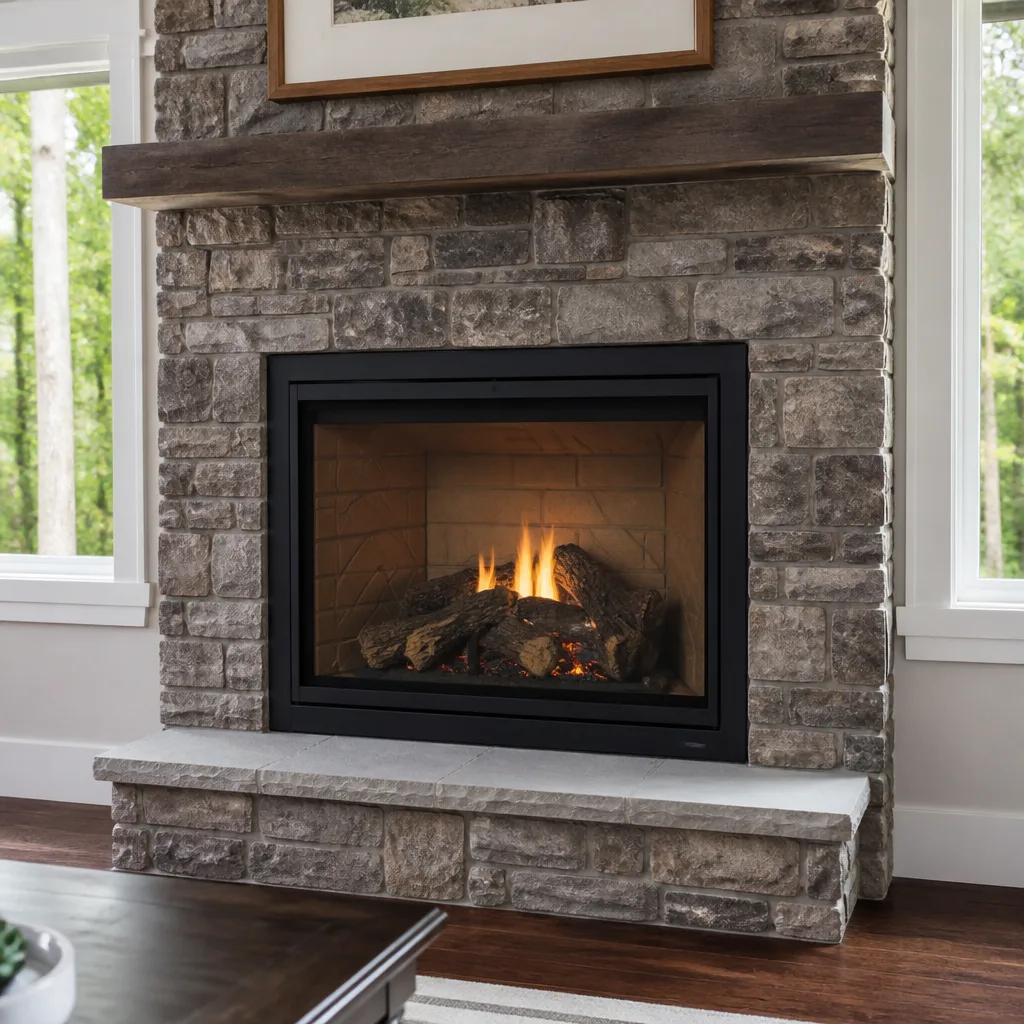 Gas fireplace service
Level 1 sweep and inspection to the NFPA 211 annual standard - flue, crown, cap, and flashing checked and photographed
Chimney sweep logs do not sweep chimneys. They loosen some creosote - which then falls where a brush and vacuum still have to collect it.
Choosing the Right Chimney Cleaning Brand: A Buyer’s Guide for San Marcos
Most homeowners shop for a chimney sweep the same way they shop for a plumber: price, availability, maybe a review or two. But the brand names on the materials going into your chimney matter just as much as the name on the technician’s shirt. A $35 galvanized chimney cap from a big-box store and a $120 stainless cap from a professional supply house are not the same product, and in San Marcos’s coastal wind and salt air, that difference shows up in about three years as rust streaks and loose fittings. This guide – along with our The Complete Chimney Sweep Guide for San Marcos Homeowners – breaks down the brands behind the brushes, liners, caps, and sealants so you can ask smarter questions and know what actually holds up in our climate.
By the time you finish reading, you’ll know which professional-grade supply brands matter for which jobs, what “trade-grade” actually means in practice, and how to verify a contractor’s material claims before you write the check.
Styles & brands we work with
- Sweep & inspection
- Caps & crowns
- Flue relining
- Masonry repair
- Gas fireplace service
Quick Answer
The Complete Chimney Sweep Guide for San Marcos Homeowners comes down to one principle: choosing professional supply brands like DuraFlex, HeatShield, Gelco, and Olympia Chimney that are engineered for trade use and real weather exposure, while consumer brands sold at home improvement stores are built for price and cosmetic appeal. Look for a contractor who can name the brands they use, explain why they chose them, and show you the product specs when you ask.
Table of Contents
- Why the Brand on the Box Matters More Than You Think
- The Major Professional Chimney Supply Brands and What They Actually Make
- Stainless Steel Grades: 304 vs. 316 and Why San Marcos Weather Decides
- Sealants, Waterproofers, and Mortar Repair: Three Different Products, Three Different Jobs
- How to Ask Your Contractor About Materials (and Verify the Answer)
- What “Trade-Grade Materials” Actually Means in Practice
- Liner Systems: When Brand Becomes a Safety Issue
- Common Mistakes to Avoid
- When to Call a Professional
- Frequently Asked Questions
- The Bottom Line
Why the Brand on the Box Matters More Than You Think
Chimney work looks simple from the outside. A brush goes up, soot comes down, maybe a cap gets replaced. But the materials involved are doing real engineering work. A chimney cap keeps rain out while venting smoke. A liner contains combustion gases at temperatures that can exceed 1,000 degrees. A sealant has to flex through decades of expansion and contraction without cracking. When a product fails at any of those jobs, the result is water damage, smoke blowback, or worse.
Professional supply brands exist for one reason: contractors who do this work every day refuse to install materials that fail. Their reputation depends on it. The brands we work with at Chimney Cleaning San Marcos home are the same ones certified chimney professionals use across the country. When you see a DuraFlex liner or an Olympia Chimney cap going into a San Marcos home, you’re looking at a product that was designed for the exact conditions our chimneys face: coastal moisture, UV exposure from those clear inland days, and temperature swings between cool mornings and hot afternoons.
Here’s the counterintuitive part: homeowner-grade products sometimes cost half as much and look identical in the box. But the failure mode is invisible. A galvanized cap doesn’t fail on day one. It fails in year three, when the zinc coating has worn through and rust is quietly eating the steel. By the time you see it, water has already been getting into your flue for a season. That’s the cost difference between a brand engineered for the trade and a brand engineered for the shelf.
The Major Professional Chimney Supply Brands and What They Actually Make
Not all brands make everything. The chimney supply industry has specialists, and knowing which brand leads in which category helps you evaluate what a contractor is proposing. Here’s a straightforward breakdown of the major names you should recognize.
Olympia Chimney
Olympia Chimney is one of the most established names in professional chimney supply, with a catalog that covers caps, liners, chase covers, and venting components. Their stainless steel caps are a common sight on professionally-maintained homes in San Marcos because they hold up well to coastal air. If a contractor quotes an Olympia cap, ask for the model number and look it up. The specs will tell you the steel grade, gauge, and whether it’s built for a masonry or prefab chimney.
Gelco
Gelco specializes in chimney caps, dampers, and chase covers, with a reputation for heavy-duty stainless construction. Their products come in both 304 and 316 stainless, and the difference matters in San Marcos. A 316 Gelco cap will shrug off salt-laden air that will eventually pit a 304 cap. For homes closer to the coast or in exposed hilltop areas, paying the premium for 316 is the right call.
HY-C
HY-C makes a wide range of chimney and venting products under several brand names, including Shelter caps and covers. Their galvanized products are fine for dry inland climates, but in San Marcos, we steer toward their stainless lines. HY-C’s value is in their breadth: caps, covers, spark arrestors, and even fireplace accessories. What they don’t make is liner material, which tells you they’re a cap and cover specialist, not a full-system brand.
Rutland
Rutland is the brand most homeowners have actually seen, because their consumer products sit on big-box shelves. But Rutland also makes a professional line of sealants, cements, and cleaners that contractors use. The key distinction: Rutland’s consumer sealants are formulated for easy application and short-term results, while their professional products are designed for contractors who have to stand behind the work. If a contractor says they use “Rutland,” ask which line. The answer tells you a lot.
Flex-King and DuraFlex
Flex-King and DuraFlex are two of the most respected names in chimney liner systems. DuraFlex, in particular, is a brand we work with regularly because their liners carry strong warranties and are widely specified by certified chimney professionals. A DuraFlex liner is made from a specific grade of stainless steel, built to handle high-temperature exhaust from gas, oil, and wood systems. When homeowners in San Marcos need a liner replacement, the brand question is usually settled by what the system requires and what the manufacturer’s warranty covers.
Stainless Steel Grades: 304 vs. 316 and Why San Marcos Weather Decides
The single most important material decision in chimney hardware is the grade of stainless steel. And the reason comes down to chemistry.
304 stainless is the standard workhorse alloy. It contains chromium and nickel, which give it corrosion resistance. For most inland chimney applications, 304 is perfectly adequate. It handles heat well, resists rust in normal conditions, and costs significantly less than higher grades.
316 stainless adds molybdenum to the alloy. That single element is what makes 316 dramatically more resistant to chloride corrosion, which is what happens when salt, moisture, and metal meet. In San Marcos, we’re close enough to the coast that morning marine layer and occasional salt-laden wind are real factors. Homes within a few miles of the water see noticeably faster degradation on chimney caps and chase covers made from lower-grade metal.
Here’s our practical rule, based on what we see in the field across San Marcos: if your home is east of San Marcos Boulevard and up in the hills, 304 is usually fine. If you’re closer to the coastal influence, or your cap is fully exposed to prevailing westerly winds, 316 is worth the extra cost. That’s not a scare tactic. It’s a calculation based on how quickly we see galvanized and low-grade stainless hardware fail in different parts of town.
Every reputable manufacturer publishes the alloy spec for their products. Gelco and Olympia both mark their 316 stainless products clearly, and any contractor who can’t tell you whether a cap is 304 or 316 is probably not buying from professional suppliers.
Sealants, Waterproofers, and Mortar Repair: Three Different Products, Three Different Jobs
One of the most common points of confusion in chimney maintenance is the difference between sealants, waterproofers, and mortar repair products. They sound similar, but they do entirely different jobs, and using the wrong one can make a problem worse.
Chimney Sealant
Sealant is a flexible adhesive used to close gaps around flashing, caps, and joints. It needs to bond to metal and masonry, flex with thermal movement, and stay watertight for years. Professional-grade sealants, like the ones in Rutland’s contractor line or Gelco’s installation products, are formulated to handle those stresses. Consumer caulk from a hardware store is not the same chemistry, and it shows up in our work all the time: cracked beads, failed adhesion, and water leaks that a proper chimney sealant would have prevented.
Chimney Waterproofer
Waterproofer is a penetrating treatment that soaks into brick and mortar to create a moisture barrier while still allowing the chimney to breathe. This is a critical distinction. Brick that’s sealed with paint or a non-breathable coating traps moisture inside, and that moisture expands and contracts with temperature, slowly breaking the masonry apart. Professional waterproofers are vapor-permeable. Brands like ChimneySaver dominate this category, and their products are what we specify when a San Marcos chimney has ongoing moisture intrusion issues. The coastal humidity makes this treatment more valuable here than in drier climates.
Mortar Repair Products
Mortar repair is structural, not cosmetic. When the mortar joints between bricks start crumbling, the chimney’s structural integrity is compromised. Proper repair means removing damaged mortar and repointing with a compatible mix. Brands like HeatShield make products specifically for restoring the inside of flues, including parging and joint repair systems. This is repair work, not maintenance, and it does not belong in the same conversation as sealant and waterproofer.
The takeaway: if a contractor proposes to “seal” your chimney when what you actually need is repointing, or to “waterproof” when you need flashing repair, the brand names they quote are less important than the fact that they’re misdiagnosing the problem.
How to Ask Your Contractor About Materials (and Verify the Answer)
You don’t need to become a materials engineer to hold a contractor accountable. You just need to ask the right questions and know where to check the answers. Here’s a numbered process that works.
- Ask what brand they’re using, by name. “What brand of cap are you installing?” A professional contractor answers without hesitation. A generalist who’s buying whatever’s on the shelf at the supply counter will often dodge or give a vague answer. The brand names to listen for include Olympia Chimney, Gelco, DuraFlex, and HeatShield. These are professional supply brands, not consumer retail brands.
- Ask for the model number or spec sheet. Every professional-grade product has a SKU or model number. Once you have it, look it up on the manufacturer’s website. The spec sheet will tell you the material grade, dimensions, and intended application. If the contractor can’t or won’t give you the model number, that’s a red flag.
- Check the material spec against the application. If you’re getting a new cap, is it 304 or 316 stainless? If it’s galvanized steel, why? If you’re getting a liner, what grade is the alloy and what’s the manufacturer’s warranty? These are factual questions with factual answers. You don’t need to understand metallurgy. You just need to compare the spec to what the manufacturer says is appropriate for your chimney type and climate.
- Ask where they buy their materials. Professional contractors buy from professional supply houses. Those supply houses carry the trade brands. If a contractor says they “pick up whatever’s at the home center,” that’s a direct answer that tells you what you need to know.
We field these questions regularly in San Marcos, and we welcome them. A contractor who’s confident in their materials will treat your questions as part of a normal conversation. One who gets defensive is telling you something important.
What “Trade-Grade Materials” Actually Means in Practice
“Professional-grade” gets thrown around a lot, so let’s pin down what it actually means for the specific products involved in chimney work. The differences are measurable.
Brushes: Durability You Can Feel
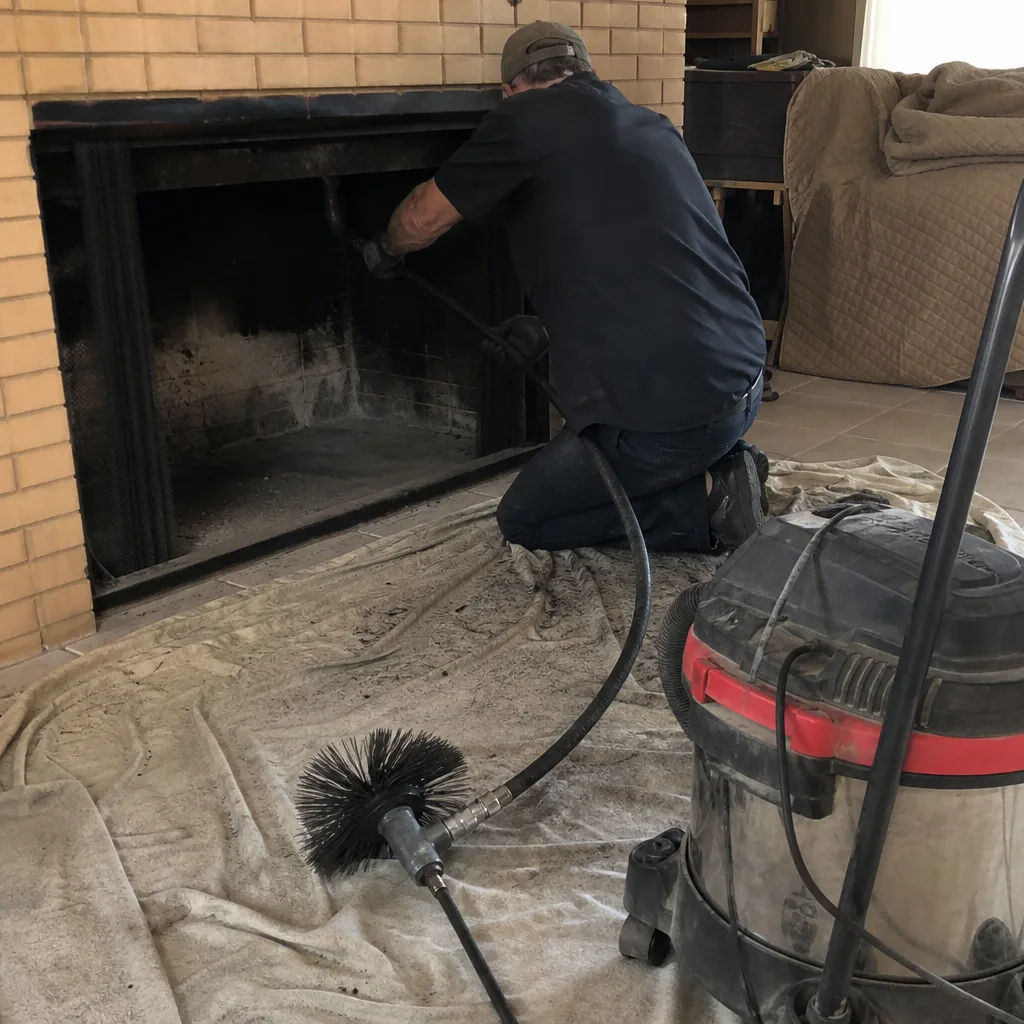
A professional chimney brush takes abuse. It gets pushed through flues that haven’t been cleaned in years, scraped against rough masonry, and hauled up and down ladders in the San Marcos sun. A consumer brush from a hardware store will shed bristles within a few uses. A professional brush from a supply brand is built with denser bristle counts, stronger hub construction, and materials that don’t degrade from creosote exposure. The difference shows up in cleaning quality and in how long the tool lasts.
Vacuum Filtration: A Health and Safety Issue
Professional chimney sweeps use industrial vacuums with HEPA-level filtration because the fine particulate in soot and creosote is genuinely hazardous. Consumer shop vacuums aren’t designed for this work. They leak fine particles back into the air, and those particles settle on furniture, floors, and lungs. When a contractor shows up to your San Marcos home with a professional-grade vacuum system, that’s not about appearances. It’s about not leaving a health hazard behind.
Liner Warranty Terms: The Fine Print That Matters
A professional-grade liner carries a real manufacturer’s warranty with specific installation requirements. DuraFlex and Flex-King liners, for example, come with warranty terms that require professional installation and specified insulation practices. Consumer liners, where they exist, carry short or conditional warranties. The difference in warranty length is a proxy for how long the manufacturer expects the product to last. A 5-year warranty versus a 20-year warranty isn’t just paperwork. It’s an engineering statement.
Caps: Gauge and Finish
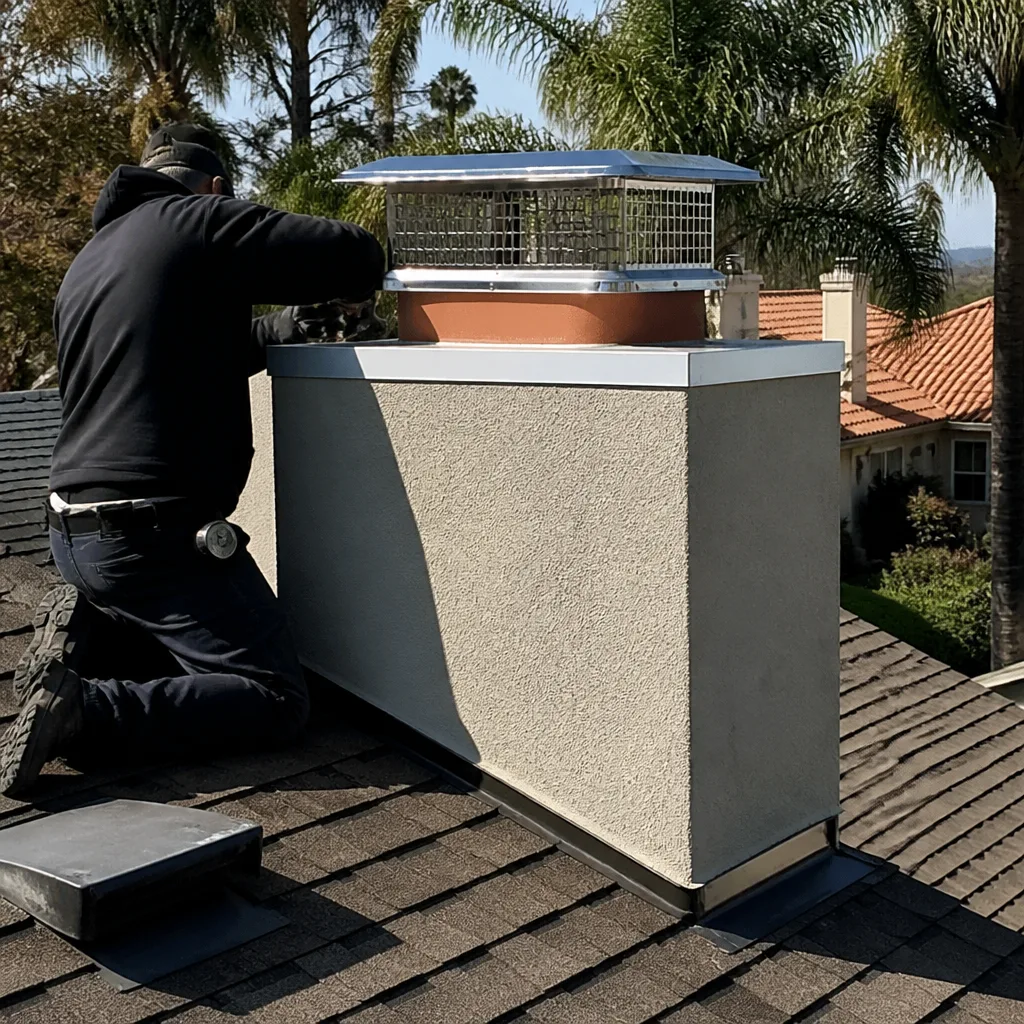
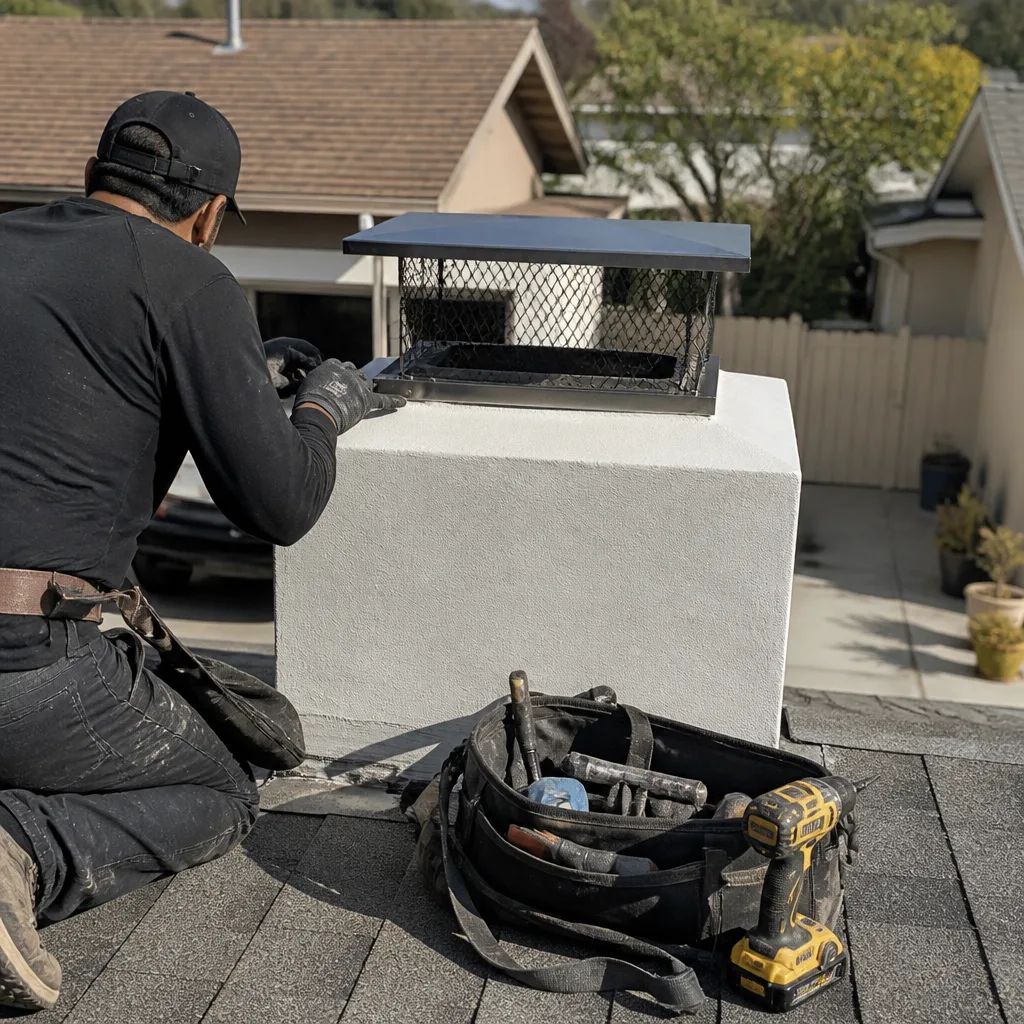
The thickness of the metal in a chimney cap is measured in gauge. Professional caps use heavier gauge steel than consumer caps. They also have better-welded seams, stronger spark arrestor mesh, and fasteners that don’t corrode. In San Marcos’s coastal-influenced climate, these differences compound. A heavier-gauge 316 stainless cap from Gelco or Olympia will outlast a lighter-gauge 304 cap by years, and the cost difference measured over the life of the product makes the professional option less expensive, not more.
Liner Systems: When Brand Becomes a Safety Issue
A chimney liner is not a cosmetic component. It’s the barrier between combustion gases and your home’s structure. When a liner fails, the result can be carbon monoxide intrusion, chimney fires, or both. So the liner conversation is where brand choice matters most.
DuraFlex and Flex-King make the liner systems that most certified chimney professionals specify. These are flexible stainless steel liners engineered for specific fuel types: gas, oil, wood, or pellet. The wrong liner in the wrong application can fail catastrophically. A gas liner, for example, is not rated for the higher temperatures of a wood-burning fireplace. A wood liner installed without proper insulation will cool too quickly, leading to creosote buildup and increased fire risk.
HeatShield is a different approach. Instead of installing a new liner, HeatShield restores an existing clay flue by applying a ceramic coating that seals cracks and gaps. It’s a liner restoration system, and it’s effective when the underlying flue is structurally sound. We use HeatShield in San Marcos homes where the damage is localized and the homeowner wants to avoid a full liner replacement.
The brand question here isn’t academic. It’s a direct check on whether the contractor understands what they’re installing. A contractor who can explain why they chose DuraFlex over a consumer liner, and what the warranty covers, is someone who understands the system. A contractor who says “liners are all the same” is someone to avoid. The chimney sweep service we provide routinely includes a camera inspection precisely so homeowners can see the actual condition of their liner and make an informed decision about anything we recommend. Our Chimney Sweep in San Marcos includes that camera report every time, and nothing gets recommended without visual evidence you can see for yourself.
Common Mistakes to Avoid
- Judging a quote purely on price without asking about materials. A cheaper quote often means a lighter-gauge cap, a consumer sealant, or a liner with a weak warranty. In San Marcos’s coastal climate, that cheap material fails early, and you pay twice.
- Assuming all stainless steel is the same. 304 and 316 are different alloys with different lifespans in our environment. If you live within a few miles of the coast or on an exposed ridgeline, 316 is the smarter choice, and it’s worth asking your contractor to confirm the grade.
- Using consumer caulk or sealant from a hardware store for chimney repairs. Chimney sealants are formulated differently. A standard silicone caulk will not survive the thermal cycling a chimney goes through, and its failure leads directly to water damage.
- Letting a generalist contractor “have a look” without verifying chimney-specific experience. A general handyman may be excellent at general work and completely unqualified to assess flue condition. Chimney work is its own trade, and the materials and diagnostic tools are specific to it.
- Ignoring the warranty terms on a liner. Liner warranties vary dramatically, and many require specific installation practices. If your contractor can’t explain the warranty on the liner they’re proposing, you don’t actually know what you’re buying.
- Waiting until there’s visible damage to address a chimney issue. By the time you see rust on a cap or crumbling mortar joints, the damage is already advanced. Professional chimney maintenance catches these things before they become expensive repairs.
- Treating dryer vents as separate from chimney maintenance. Your dryer vent is the other flue in your home, and Dryer Vent Cleaning in San Marcos addresses a leading cause of residential house fires. One call can cover both fire hazards, and the same material standards apply to both systems.
When to Call a Professional
Any time you’re dealing with combustion exhaust, carbon monoxide risk, or structural masonry, the right answer is a trained professional – not a DIY approach. See our DIY vs Professional Chimney Cleaning: The San Marcos Homeowner’s Decision Guide for a full breakdown. If your chimney hasn’t been inspected in over a year, if you’re seeing rust on your cap or water stains near your fireplace, if you’re noticing burning smells when the fireplace is in use, or if your liner has visible cracking on a camera inspection, it’s time to make the call.
Chimney Cleaning San Marcos offers free estimates throughout San Marcos. Call (866) 651-2603 to schedule an inspection. We’ll show you the materials we use, explain the brands and why we chose them, and give you a straight answer about what needs work now and what can wait. Nothing gets recommended without camera evidence you can see for yourself.
Frequently Asked Questions
Chimney sweep pricing in San Marcos typically ranges from $180 to $320 for a standard cleaning and inspection, with the final quote depending on flue accessibility, the level of creosote buildup, and whether your chimney has experienced water intrusion. A camera inspection and photo report should be included at that price, and any repair recommendations should be backed by visual evidence.
A professional-grade cap uses heavier gauge stainless steel, better welds, and properly rated spark arrestor mesh, while consumer caps are typically lighter-gauge galvanized steel built for cosmetic appeal rather than long-term weather resistance. In San Marcos, the salt air accelerates corrosion on lower-grade metal, so the professional cap often lasts three times as long.
For a wood-burning fireplace in regular seasonal use, annual sweeping is the standard recommendation from the National Fire Protection Association. Homes in San Marcos that use their fireplace only occasionally can often go 18 to 24 months between sweeps, but an annual inspection is still smart because coastal moisture can cause flue damage even without heavy use.
A cleaning removes creosote and debris, but it cannot repair cracks, gaps, or corrosion in your liner. If a camera inspection shows structural damage, a liner repair or replacement is the honest recommendation. Always ask to see the camera footage yourself. Any contractor who recommends a liner replacement without showing you visual evidence is pitching you a conviction, not a diagnosis.
We work with professional chimney-supply brands including DuraFlex, HeatShield, Gelco, Olympia Chimney, Famco, and Copperfield. These are the same materials certified chimney professionals use nationwide, and we’re happy to show you the spec sheets.
You can buy consumer-grade brushes and rods at a hardware store, but professional cleaning involves industrial vacuum filtration, proper access equipment, and trained assessment of flue condition. The health and safety risks of improper cleaning, including creosote exposure and missed structural damage, make this a job for a trained chimney professional.
The Bottom Line
Names like DuraFlex, HeatShield, Gelco, and Olympia Chimney matter because they represent a standard of engineering that holds up in San Marcos’s coastal weather. When you choose a contractor who works with these brands, you’re choosing someone who buys from professional suppliers, understands the difference between 304 and 316 stainless, and can back up their recommendations with spec sheets and model numbers.
You’re not just paying for labor. You’re paying for the materials that sit on your roof and inside your flue, keeping water out and combustion gases contained. The savings from a cheap cap or a big-box sealant disappear the first time water finds its way in, and the cost of a bad liner decision is measured in safety, not dollars.
Call (866) 651-2603 for a free estimate, and when we come out to your San Marcos home, ask us every question in this guide. We’ll show you the brands, explain the specs, and give you a straight answer. That’s how chimney work should be.
Written by the team at Chimney Cleaning San Marcos, serving San Marcos since 2018.
See the difference
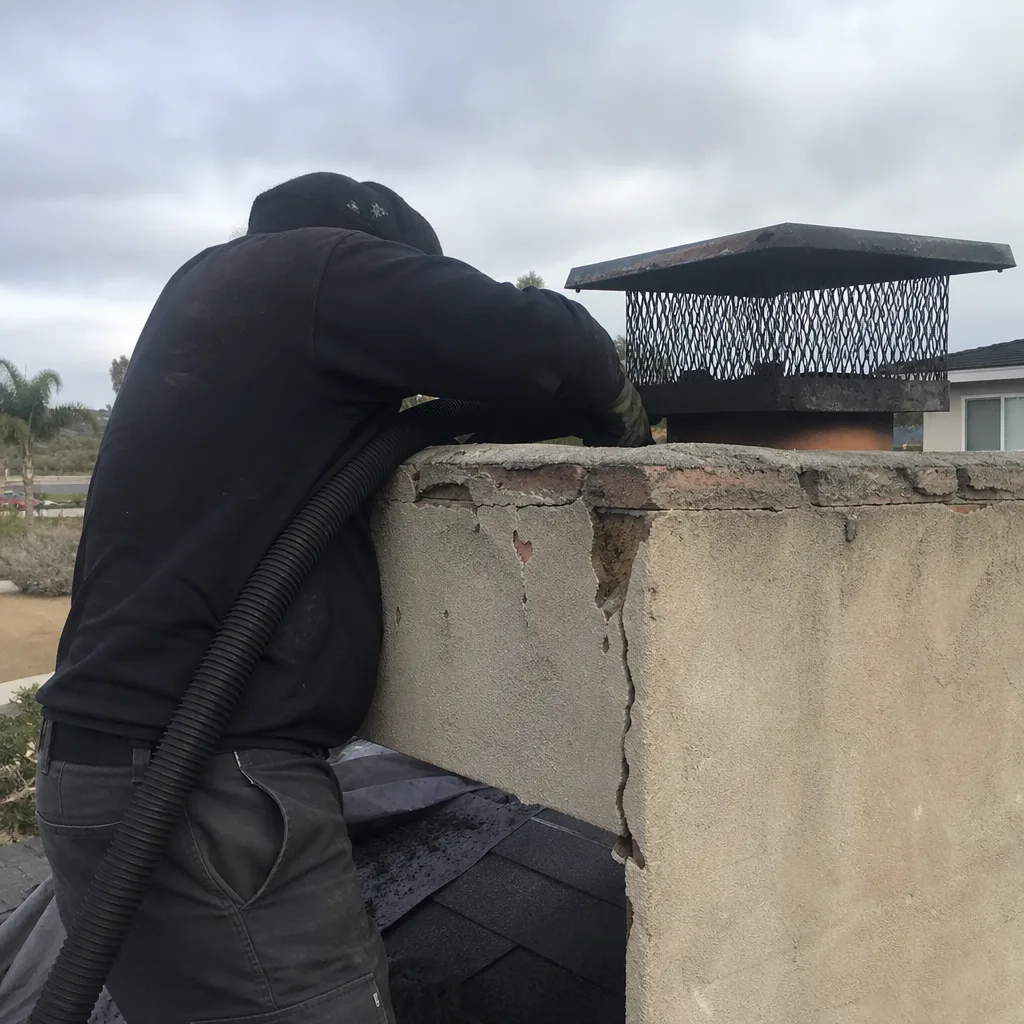 Before
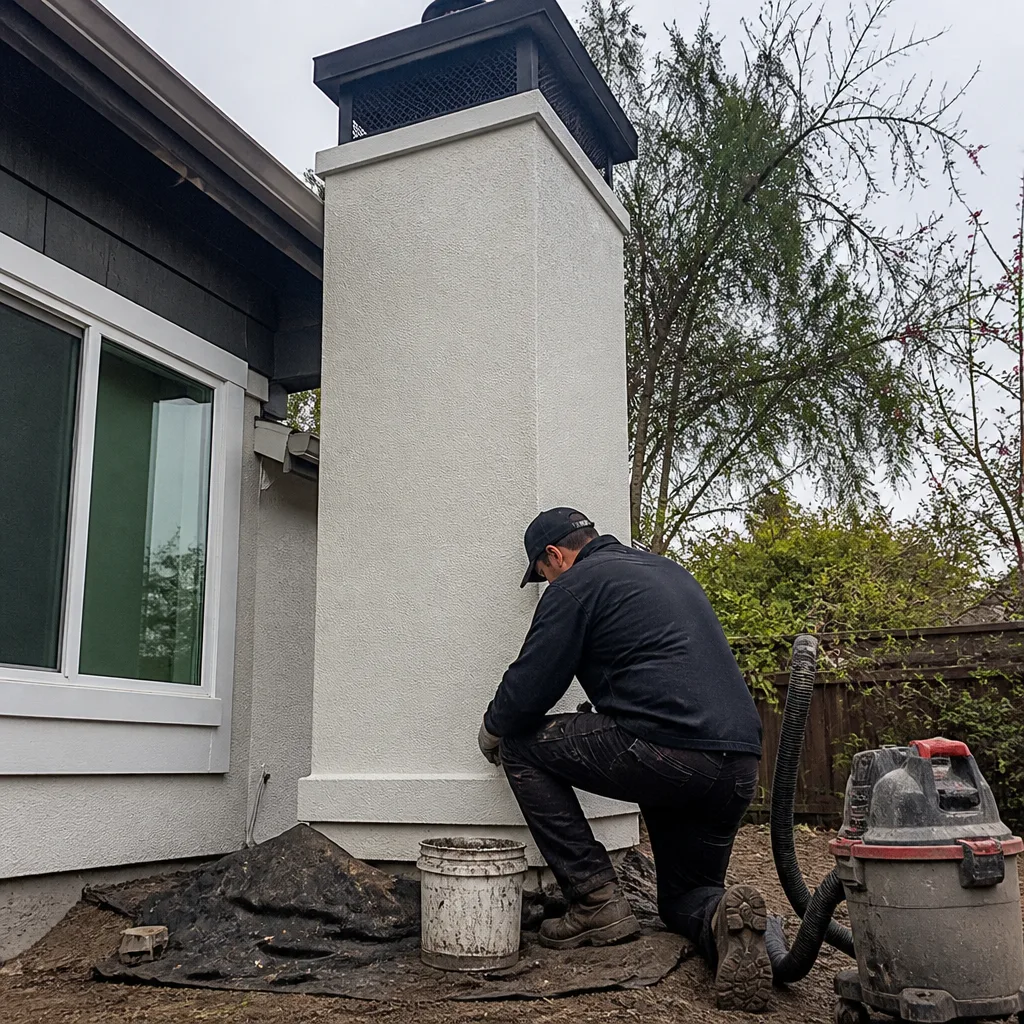 After
 Before
 After
 Before
 After