
Last updated November 2, 2026
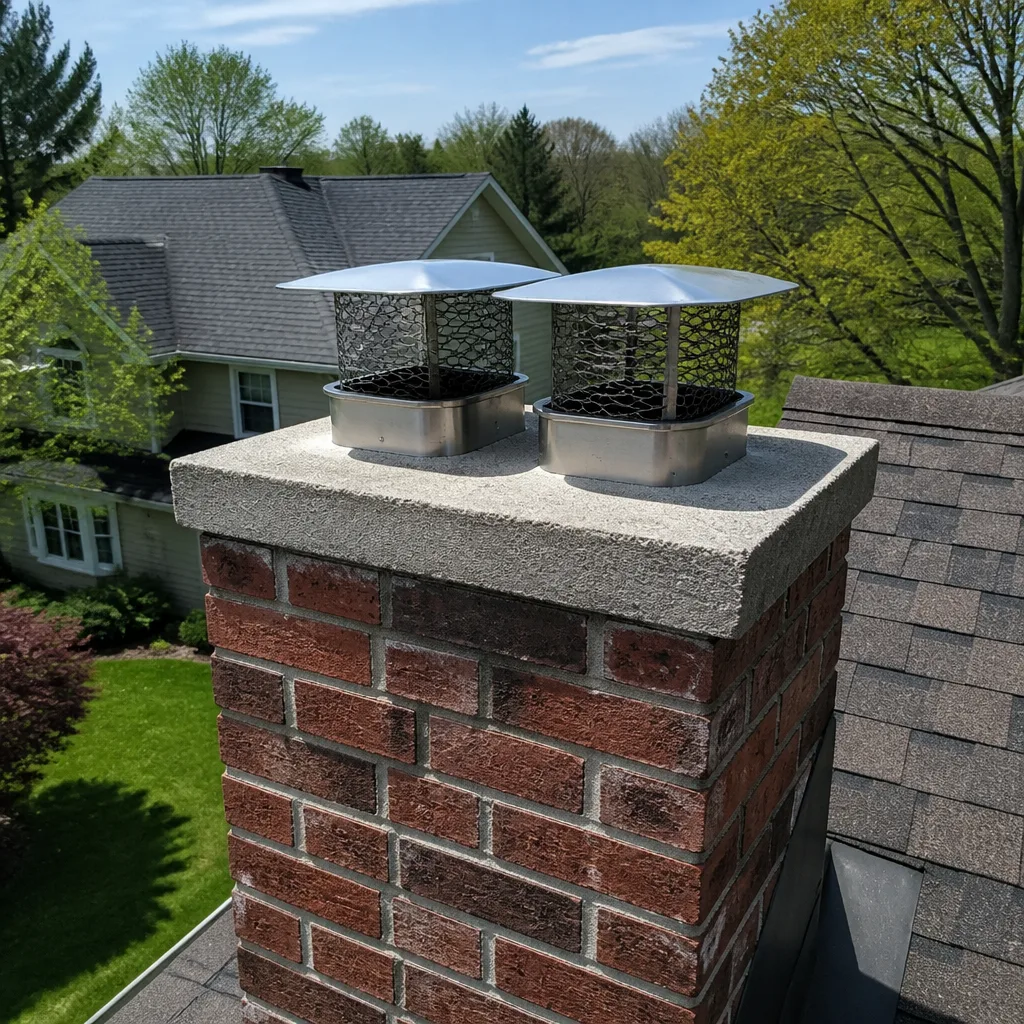 Sweep & inspection
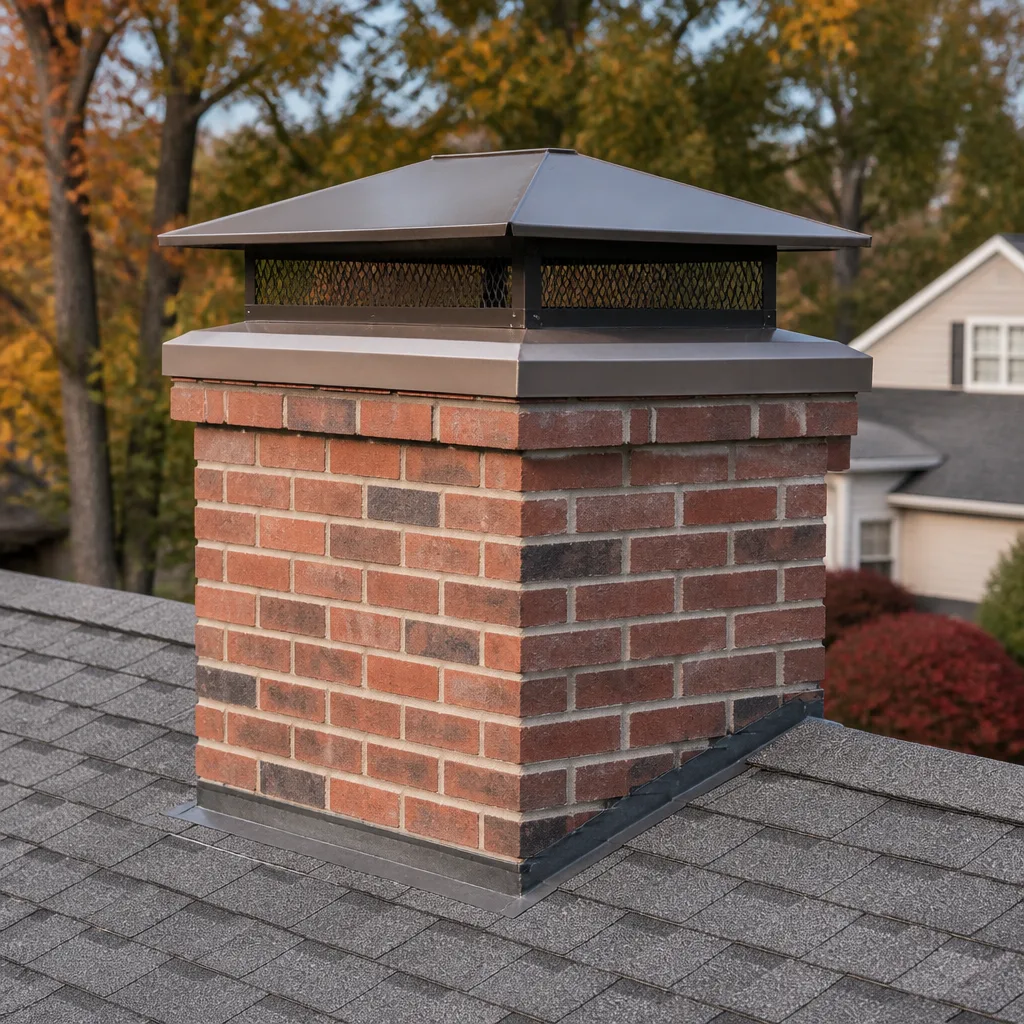 Caps & crowns
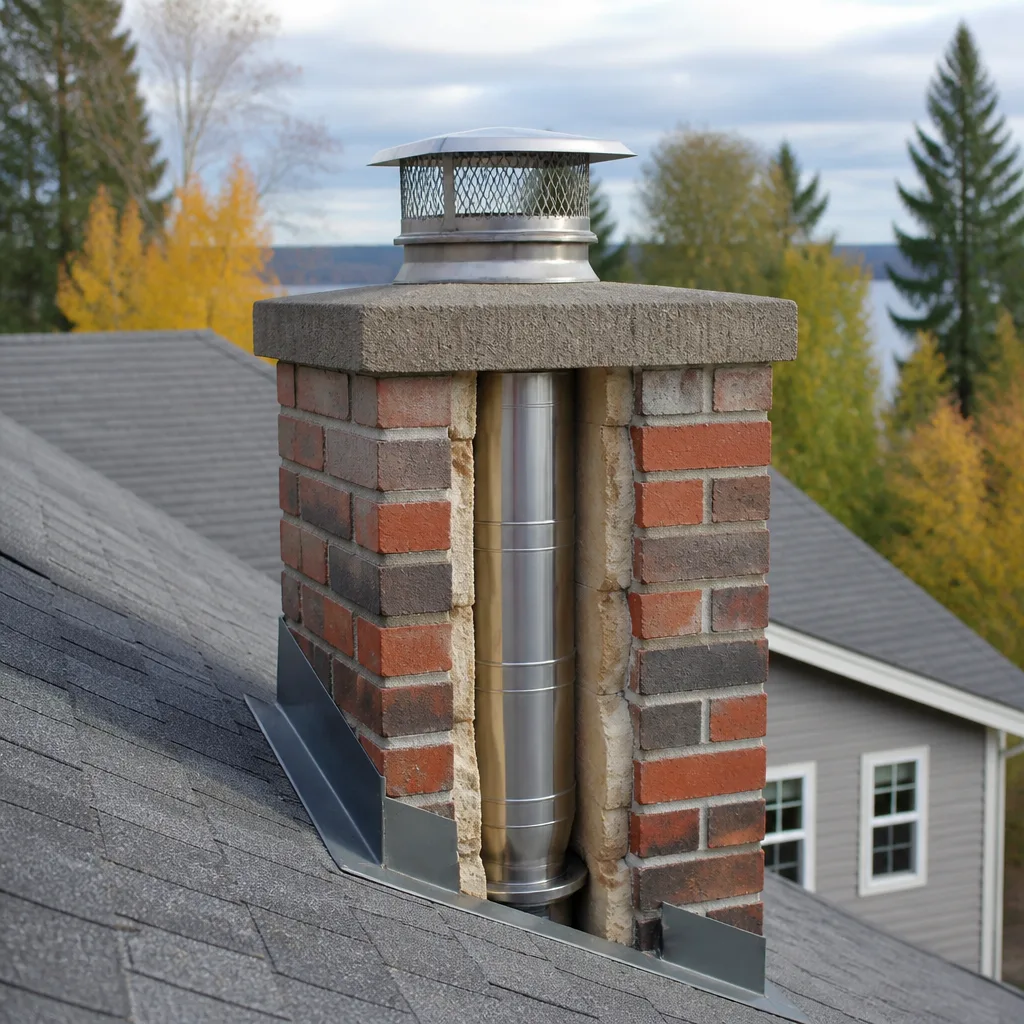 Flue relining
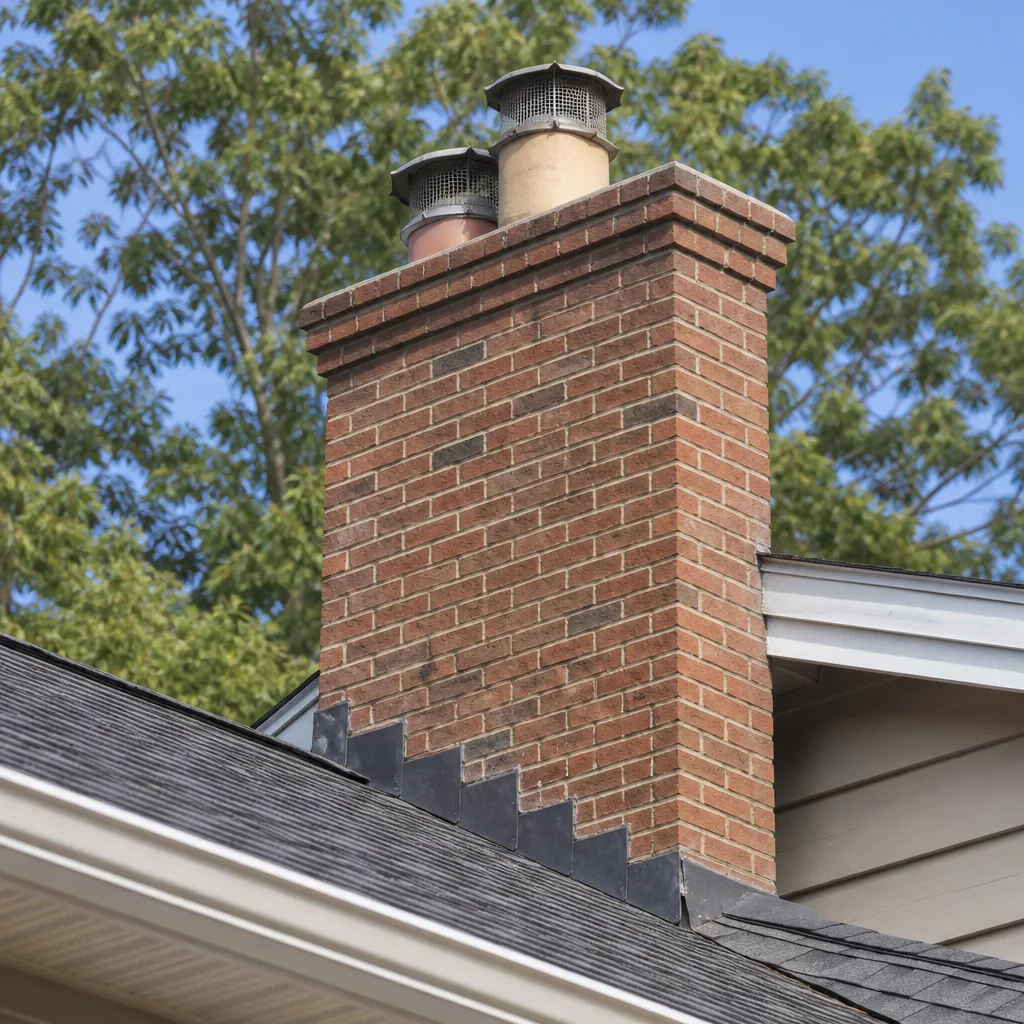 Masonry repair
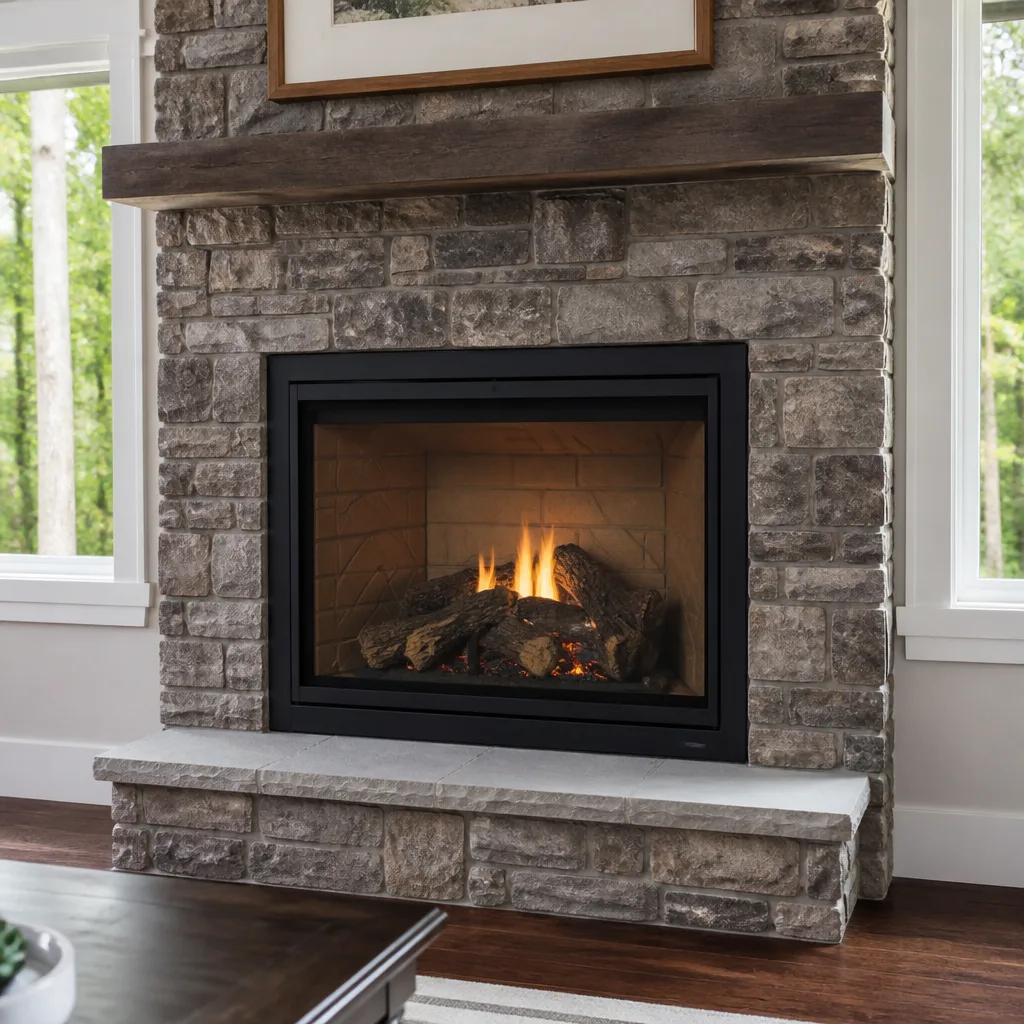 Gas fireplace service
Level 1 sweep and inspection to the NFPA 211 annual standard - flue, crown, cap, and flashing checked and photographed
Chimney sweep logs do not sweep chimneys. They loosen some creosote - which then falls where a brush and vacuum still have to collect it.
DIY vs Professional Chimney Cleaning: The San Marcos Homeowner’s Decision Guide
You can buy a chimney brush kit at Home Depot for $40, but you can’t buy the ability to recognize third-degree creosote glaze, a cracked tile liner, or a compromised smoke chamber. Those are the things that actually determine whether your fireplace is safe to use. This guide exists because homeowners in San Marcos ask us a version of the same question every week: “Can’t I just do this myself?” The honest answer is more nuanced than a simple yes or no, and it depends entirely on what’s actually inside your flue right now, what you’re burning, and whether you have the tools to see what you’re cleaning. By the end, you’ll know exactly where the line sits between a reasonable weekend project and a job that needs professional equipment and trained eyes.
Quick Answer
DIY chimney cleaning can work for light first-degree soot removal with a consumer brush kit, but it cannot diagnose the conditions that cause chimney fires: glazed creosote, cracked liners, or obstructed flues. In San Marcos, where many homes burn wood through cooler coastal winters, we recommend homeowners perform basic visual checks and leave full cleaning to a certified sweep once per year, or after every cord of wood burned. Professional cleaning in San Marcos typically runs $180 to $350 – see our Chimney Cleaning Cost Breakdown: The San Marcos Homeowner’s Reference for 2026 for full pricing details – and the equipment difference alone makes it a different job than what any retail kit can accomplish.
Styles & brands we work with
- Sweep & inspection
- Caps & crowns
- Flue relining
- Masonry repair
- Gas fireplace service
Table of Contents
- What DIY Chimney Cleaning Can Actually Accomplish
- What DIY Cleaning Structurally Cannot See or Do
- When DIY Chimney Cleaning Becomes Actively Dangerous
- Insurance Implications of DIY Chimney Maintenance
- Equipment Comparison: Consumer Kits vs Professional Systems
- The Honest Cost-Benefit Math in San Marcos
- How a Professional Chimney Sweep Actually Works
- What San Marcos Homeowners Should Know Specifically
What DIY Chimney Cleaning Can Actually Accomplish
Let’s be fair to the homeowner who wants to handle this themselves. Consumer chimney brush kits are not useless. They can remove light soot and first-degree creosote from the flue walls directly above the firebox. First-degree creosote is the fluffy, dusty, grayish-brown deposit that forms when wood burns efficiently at higher temperatures. It brushes off relatively easily. If that’s all you have, and you have a straight vertical flue that you can access safely, a DIY cleaning session can knock down the visible soot and make your fireplace function better for a few more months.
But here’s the thing that most online guides skip: first-degree creosote is the least dangerous form of the material. It’s what you get when everything goes right. The problem is that even in homes where it starts as fine soot, the conditions inside a chimney change constantly. Wood species, moisture content, air supply, outside temperature, and how you build your fires all affect whether that soot stays fluffy or transforms into something much harder to remove.
What a homeowner with a brush kit can realistically accomplish:
- Remove loose soot and light creosote from the flue liner’s surface
- Clear minor debris from the firebox and smoke shelf if they can reach it
- Visually check the top of the chimney for obvious obstructions like bird nests or leaf buildup
- Get a rough sense of how much material has accumulated since the last cleaning
What consumer kits cannot do, regardless of how carefully you use them:
- Remove second-degree creosote (bumpy, flaky, tar-like deposits) or third-degree glazed creosote (hard, shiny, baked-on glaze)
- Clean flue surfaces you can’t physically see, including the smoke chamber and the upper third of the flue
- Identify cracks, spalling, or separation in clay tile liners
- Assess whether your chimney cap or crown is deteriorating
- Verify that gas appliance venting is functioning without carbon monoxide backdraft
The honest summary: DIY chimney cleaning works when there is almost nothing wrong. The moment something is actually wrong, the kit stops being useful and starts being a false sense of security.
If you’re in San Marcos and you’ve been burning wood regularly through the winter without a professional cleaning in over a year, you’re not in the “light soot” category anymore. You’re in the “needs eyes on it” category. You can read more about what a full professional Chimney Sweep in San Marcos includes.
What DIY Cleaning Structurally Cannot See or Do
The core limitation of do-it-yourself chimney work is not effort. It’s visibility. You can only clean what you can see, and from the firebox you can see almost nothing. From the roof, you can see down only a few feet before the flue bends or the light gives out. The middle of your chimney, where the smoke chamber narrows and where creosote tends to concentrate, is invisible to a homeowner with a flashlight and a brush.
That blind spot matters because the smoke chamber is precisely where chimney fires often start. The smoke chamber sits directly above the firebox and below the flue. It’s the transition zone where hot gases slow down, cool slightly, and drop their creosote load. In many San Marcos homes built in the 1970s and 1980s, smoke chambers were constructed with corbeled brick, meaning the bricks step inward in a rough, uneven pattern. Those rough surfaces catch creosote aggressively. A brush on a rod can pass through the center of that chamber without ever touching the walls.
Here’s what a trained chimney professional sees during a standard sweep that a homeowner physically cannot from the same position:
- Cracks in flue tiles that indicate a previous chimney fire or thermal stress from decades of heating and cooling cycles
- Third-degree creosote glaze, which looks shiny and black from above but is nearly invisible from ground level with a flashlight
- Liner deterioration in the upper third of the flue where freeze-thaw cycles have done damage
- Improperly sized flues relative to the fireplace opening, a surprisingly common issue in older San Marcos homes
- Hidden obstructions like dried bird carcasses, nesting material, or a detached chimney cap blocking airflow
In our experience working in San Marcos, we regularly find crack liners in homes where the homeowner has been diligent about burning only seasoned oak. The homeowner did nothing wrong. The problem is that clay tile liners have a finite lifespan, and the thermal stress of coastal temperature swings accelerates their failure. No amount of DIY brushing addresses a cracked tile. In fact, aggressive brushing can make a cracked liner worse by dislodging loose tile fragments.
The repair side matters too. A sweep-only company that finds a problem will tell you to call someone else. We carry repair capability into the same visit because we work with liner restoration materials like HeatShield and DuraFlex, which means a problem found during a sweep can be fixed in the same service relationship. That’s the difference between a company that cleans and a company that actually understands Chimney Repair in San Marcos.
When DIY Chimney Cleaning Becomes Actively Dangerous
There’s a difference between DIY cleaning that’s incomplete and DIY cleaning that’s actively risky. Most homeowners understand that incomplete is a waste of a weekend. Fewer understand when they’re making a problem worse or putting themselves in harm’s way.
The first and most obvious risk is physical. Chimney cleaning requires working on a roof, often a steep one. San Marcos has its share of two-story homes with tile roofs, which introduce two hazards at once: height and fragile roofing material. A fall from a second-story roof is a life-changing injury. Tile roofs crack under foot traffic, creating leaks that cost more to repair than any chimney sweep would have charged. Every year, emergency rooms treat homeowners injured while cleaning chimneys, and that’s before we talk about the chimney itself.
But the danger we’re most concerned about is what happens after a DIY cleaning when the wrong thing was cleaned incorrectly. Here are the specific conditions that make amateur cleaning hazardous rather than merely unhelpful:
- Glazed creosote: Third-degree creosote is hardened, highly concentrated fuel. Attempting to scrape it with a wire brush can scratch the surface and create more surface area for future creosote accumulation, but it won’t remove the glaze. The homeowner thinks they’ve cleaned the chimney because they made visible scratch marks, but the fire hazard remains fully intact.
- Unknown liner condition: If your flue liner is already cracked, running a brush through it can dislodge tile fragments, block the flue below, and create an immediate obstruction hazard. You cannot know whether this is happening because you cannot see the liner. If you then light a fire, you’ve created a chimney fire or carbon monoxide risk.
- Gas appliance venting: Many San Marcos homes have gas water heaters or gas furnaces that vent into the same chimney as the fireplace. A homeowner cleaning only the fireplace flue can dislodge debris into the gas vent, creating a carbon monoxide situation inside the home. Carbon monoxide is odorless, invisible, and potentially fatal. This is not a risk to take lightly.
- Improper cap or crown reassembly: If you remove a chimney cap to brush from the top and fail to reseat it properly, you’ve created a leak path for water into the chimney structure and a new entry point for birds and debris.
When we talk about chimney safety, we’re not being dramatic. According to the National Fire Protection Association, chimneys and chimney connectors account for a significant percentage of residential heating fires each year. The majority of those fires are caused by creosote buildup. The point is not that DIY cleaning is always unsafe. The point is that without the ability to see what you’re dealing with, you cannot make an informed decision about whether it’s safe.
Insurance Implications of DIY Chimney Maintenance
Here’s a section that most DIY chimney cleaning articles skip entirely, and it’s the one that matters most to your wallet long-term. Homeowner’s insurance policies in California generally require that you maintain your home against known hazards. A fireplace is a known hazard. That’s why insurance companies ask about it when you buy a policy, and it’s why they investigate chimney-related fire claims closely.
When a chimney fire happens, the insurance adjuster’s first question is almost always: “When was the chimney last professionally cleaned and inspected?” If your answer is “I cleaned it myself,” the claim process gets harder. Not impossible, but harder. Here’s what typically happens:
- The adjuster will request documentation of professional maintenance. If you don’t have it, the burden shifts to you to prove you maintained the chimney adequately.
- In some cases, a lack of professional documentation can lead to a claim denial on the grounds of negligence, especially if the fire investigation finds heavy creosote buildup or a known defect that a professional inspection would have caught.
- Even when a claim is approved, the absence of professional records can slow the process by weeks or months while the insurer investigates.
A professional sweep comes with documentation: a receipt, a service date, and often a written condition report. That paper trail is part of what you’re paying for. It says to your insurance company, “I did what a reasonable homeowner should do.” When you’re calculating the cost difference between a $40 brush kit and a $250 professional sweep, remember that the brush kit buys you no documentation at all.
This isn’t fear-mongering. It’s practical risk management. San Marcos homes face enough wildfire-adjacent insurance scrutiny already without adding an undocumented chimney into the mix.
Equipment Comparison: Consumer Kits vs Professional Systems
The equipment gap between what you can buy at a hardware store and what a professional sweep uses is not a matter of degree. It’s a different category of tool. Understanding this difference explains why no amount of effort with a consumer kit can replicate a professional result.
A consumer brush kit, the kind sold for $40 to $80, includes a wire or nylon brush head attached to fiberglass rods, a tarp or drop cloth, and sometimes a shop-vac adapter. The brush head is sized generically. It either fits your flue or it doesn’t, and if it doesn’t, you’ll either scrape too hard (damaging the liner) or too lightly (leaving creosote behind). Fiberglass rods flex as they’re pushed up a chimney, which means the brush doesn’t maintain consistent pressure against the flue walls. The result is an uneven clean: some spots scrubbed, some untouched. The shop-vac setup, even when taped over the firebox opening, cannot maintain negative pressure inside the entire flue. Soot and creosote dust escape into the living space.
Professional rotary cleaning systems work differently. A rotary system uses a spinning head at the end of a motor-driven cable, combined with a high-powered HEPA vacuum that maintains negative pressure throughout the flue during the entire cleaning. The spinning head conforms to the flue shape and applies consistent, even pressure to every surface, including the smoke chamber and the full length of the liner. The HEPA vacuum captures the dislodged material before it can enter the home.
Here’s the comparison in plain terms:
- Consumer brush: Pushes material around, leaves uneven coverage, allows dust into the home, cannot clean smoke chamber walls, no visibility of what’s actually removed.
- Professional rotary system: Spinning brushes or chains scrub all flue surfaces evenly, HEPA vacuum contains everything, camera inspection verifies results, smoke chamber gets cleaned, full visibility of what came out.
We use professional-grade cleaning systems because the job demands them. The same philosophy extends to our material choices. When a chimney needs a new liner or a repair, we work with products like HeatShield, DuraFlex, and Olympia Chimney. These are the brands professional chimney technicians across the country use, not big-box substitutes. You won’t find them at Home Depot, and for good reason: they require training to install correctly, and they come with documentation that homeowner-grade materials don’t offer.
The Honest Cost-Benefit Math in San Marcos
Let’s talk money, because that’s what drives most DIY decisions and pretending otherwise is dishonest. The cost comparison looks simple on paper. A DIY brush kit costs $40 to $80. A professional chimney sweep in San Marcos costs anywhere from $180 to $350 depending on the home, the flue condition, and whether there are multiple flues to clean. On the surface, DIY saves $150 to $300. But that’s the wrong way to think about it.
The right way to think about it starts with what you’re actually comparing. You’re not comparing a $40 brush to a $250 sweep. You’re comparing brushing light soot off visible surfaces to a full clean and inspection of every surface in the flue, documented for insurance purposes, performed by someone who can identify problems before they become fires. Those are different products.
Here’s the San Marcos market math, laid out honestly:
- Yearly professional sweep: $180 to $350, includes full flue cleaning, smoke chamber cleaning, cap and crown check, visible condition report, and insurance documentation.
- DIY brush kit + missed glazed creosote: $40 to $80 upfront, but glazed creosote is not removed, so you’ve spent money and time on a cleaning that did not reduce your fire risk.
- DIY brush kit + damaged liner from aggressive brushing: $40 to $80 upfront, plus $1,500 to $4,000 for a liner repair or replacement that would not have been necessary with a gentler professional clean.
- DIY brush kit + chimney fire caused by undiagnosed creosote: The cost is whatever your insurance deductible is, plus whatever your premiums go up, plus whatever the repairs cost if your claim is denied. This number can be $15,000 or more.
The savings from DIY only materialize when nothing is wrong. But you cannot know whether nothing is wrong without professional eyes on the chimney. This is the fundamental catch-22 of the DIY decision. You can save money only in the scenario you cannot verify, and you can verify only by spending the money you were trying to save.
For most San Marcos homeowners who burn a cord or more of wood per year, the financially rational choice is to skip the brush kit and book one professional sweep per year. For guidance on timing your maintenance, see our Seasonal Chimney Cleaning Care for San Marcos: Year-Round Homeowner’s Guide. If you burn less than a cord annually and have a clean bill of health from a recent professional inspection, a DIY touch-up between sweeps is reasonable. That’s the honest answer, and it’s the one we give homeowners who call us even when we know they’re not going to book.
How a Professional Chimney Sweep Actually Works
Knowing what happens during a professional sweep helps you understand what you’re paying for and why the DIY comparison misses the point. Here’s the process step by step, as we perform it for San Marcos homes:
- Site preparation: Drop cloths and plastic sheeting protect the flooring and surrounding furniture. The firebox opening is sealed, and a HEPA vacuum is positioned to maintain negative pressure in the flue.
- Initial inspection: Before any cleaning begins, we look at what’s visible from the firebox and from the roof. This tells us what kind of deposits we’re dealing with and whether there are any obvious red flags like a missing cap or visible liner damage.
- Cleaning from the top and bottom: The flue is brushed from the top down and from the firebox up, depending on the roof access and the flue configuration. The smoke chamber gets particular attention because that’s where San Marcos homes tend to collect the most creosote.
- HEPA vacuum throughout: The vacuum runs continuously during the entire cleaning, capturing disloded material before it can enter the living space. This is the part DIY kits cannot replicate.
- Post-clean inspection: After the flue is clean, we check the liner, damper, smoke shelf, cap, crown, and flashing for damage. This is where cracks, glaze, and other issues become visible.
- Documentation: The homeowner receives a written report with findings, recommendations, and the service date for insurance records.
If the inspection finds something that needs repair, we’re equipped to handle it. Our repair capability covers liner work using HeatShield and DuraFlex products, not just surface cleaning. That’s the difference between a sweep-only operation and a company that can say “we find it, we fix it” and actually mean it.
While we’re at the home, the conversation often turns to dryer vents. They’re the other leading fire-hazard flue in most households, and many San Marcos homeowners don’t realize that the same principles apply: lint builds up where you can’t see it, and a visible clean does not equal a safe vent. We offer Dryer Vent Cleaning in San Marcos as part of the same call, which means both household fire hazards get addressed without scheduling two separate companies. Your flue is our only focus, and we’d rather clean both of them badly than neither of them well.
What San Marcos Homeowners Should Know Specifically
San Marcos has a few characteristics that shape chimney maintenance in ways that generic online guides miss. First, the climate. We’re coastal enough to get moisture, cool enough to burn wood in winter, and close enough to the ocean that morning fog is a regular companion. That moisture cycle matters for chimneys. It means creosote can form differently than it does in drier inland climates, and it means freeze-thaw cycles at the chimney crown and cap are an ongoing concern.
Second, the housing stock. San Marcos includes a range of home ages, from mid-century ranch houses to newer developments in areas like San Elijo Hills and Santa Fe Hills. The older homes often have original clay tile liners that have been in service for 40 to 60 years. Those liners are past their expected lifespan in many cases, and they fail in ways that are not visible from the firebox or the roof without a camera inspection.
Third, the moisture content of local firewood. A lot of what gets burned in San Marcos comes from local oak or from wood purchased at grocery stores and gas stations. If that wood isn’t properly seasoned, it burns cooler and wetter, producing more creosote per fire than properly dried wood. We regularly see San Marcos chimneys with heavier buildup than the home’s burn frequency would suggest, because the wood being burned wasn’t dry enough.
The practical takeaways for San Marcos homeowners:
- If you’re in an older home and you don’t know the liner condition, a professional inspection is overdue. Liners in 50-year-old San Marcos homes fail silently.
- If you’re burning wood from local sources, assume it may not be perfectly seasoned and adjust your maintenance schedule accordingly: sweep after every cord, not once every two years.
- If you can see or smell anything unusual when opening the damper, or if you notice a campfire smell in the house after a fire, missing a professional appointment is not the place to save money.
The Chimney Cleaning San Marcos home page has more about what we do and how we approach chimney and venting work in this area specifically.
Common Mistakes to Avoid
- Assuming no smell means no creosote. Creosote builds up quietly inside the flue where you can’t smell it until the buildup is significant. By the time you smell it, you’re well past the point where a DIY kit would have been sufficient.
- Trusting a visual inspection from the ground. Looking up at the chimney from your driveway tells you almost nothing about the condition of the flue, the liner, or the smoke chamber. You’re looking at brick, not the inside of the flue.
- Burning pine or other softwoods because it’s cheap or free. Pine and other resinous woods produce creosote at a much faster rate than hardwoods. In San Marcos, where some homeowners cut wood from local sources, this is a common and costly mistake.
- Using a brush kit on an older chimney without knowing the liner condition. Running a brush through a chimney with a compromised liner can dislodge tile fragments and create blockages. The older the home, the more important it is to inspect before you brush.
- Thinking a chimney sweep is just about cleanliness. The sweep gets the soot out, but the inspection is what keeps you safe. A clean chimney with a cracked liner is still a fire hazard. The documentation is also part of what you’re paying for.
- Ignoring the dryer vent because “it’s a different thing.” Clogged dryer vents cause house fires at a sobering rate. If you’re thinking about fire safety at all, the dryer vent is the other half of the equation and it’s ignored by most homeowners.
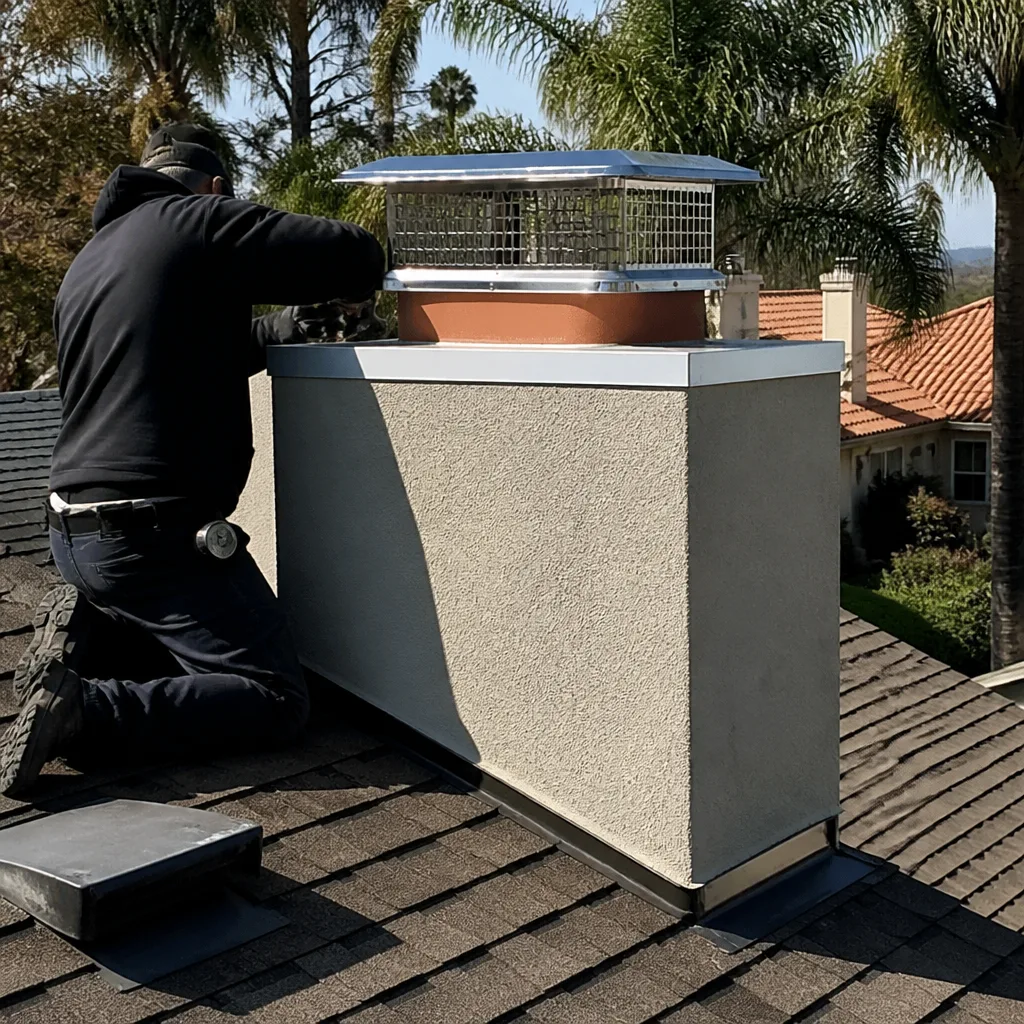
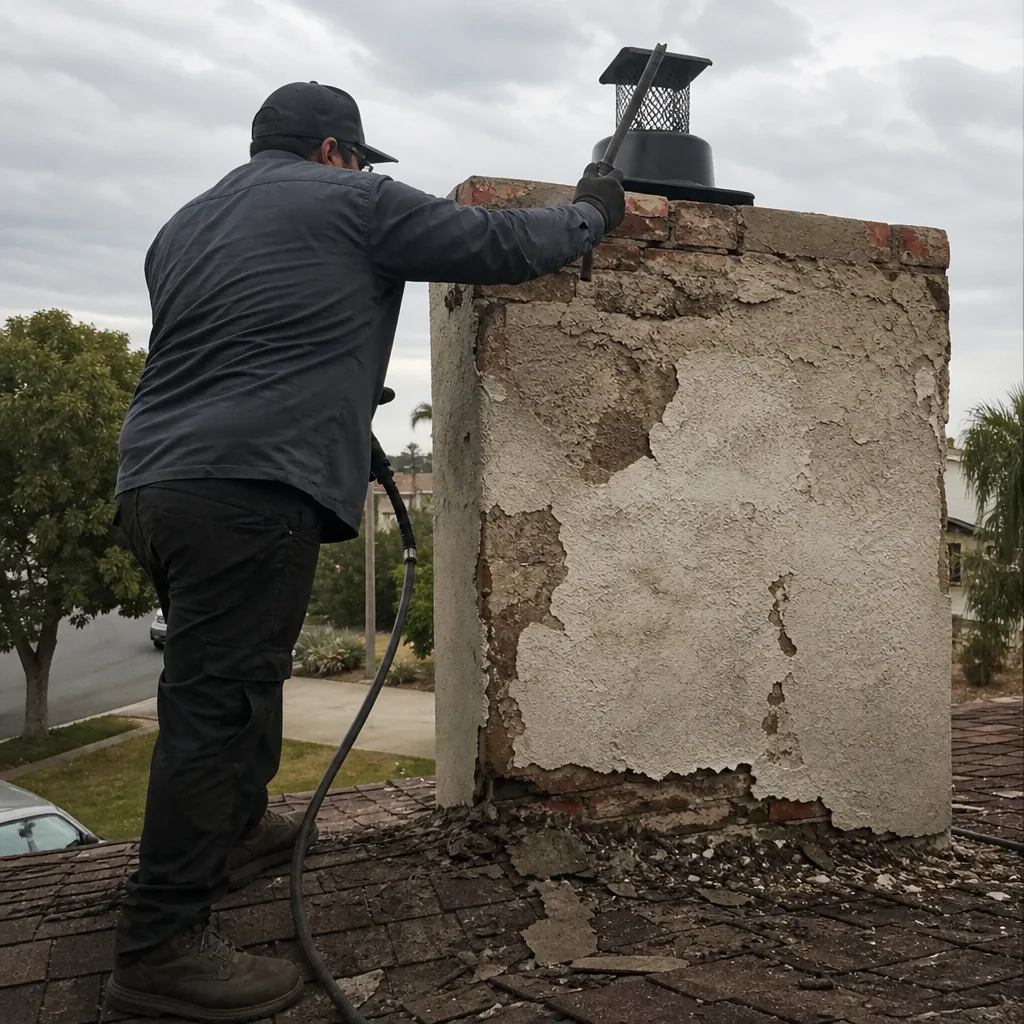
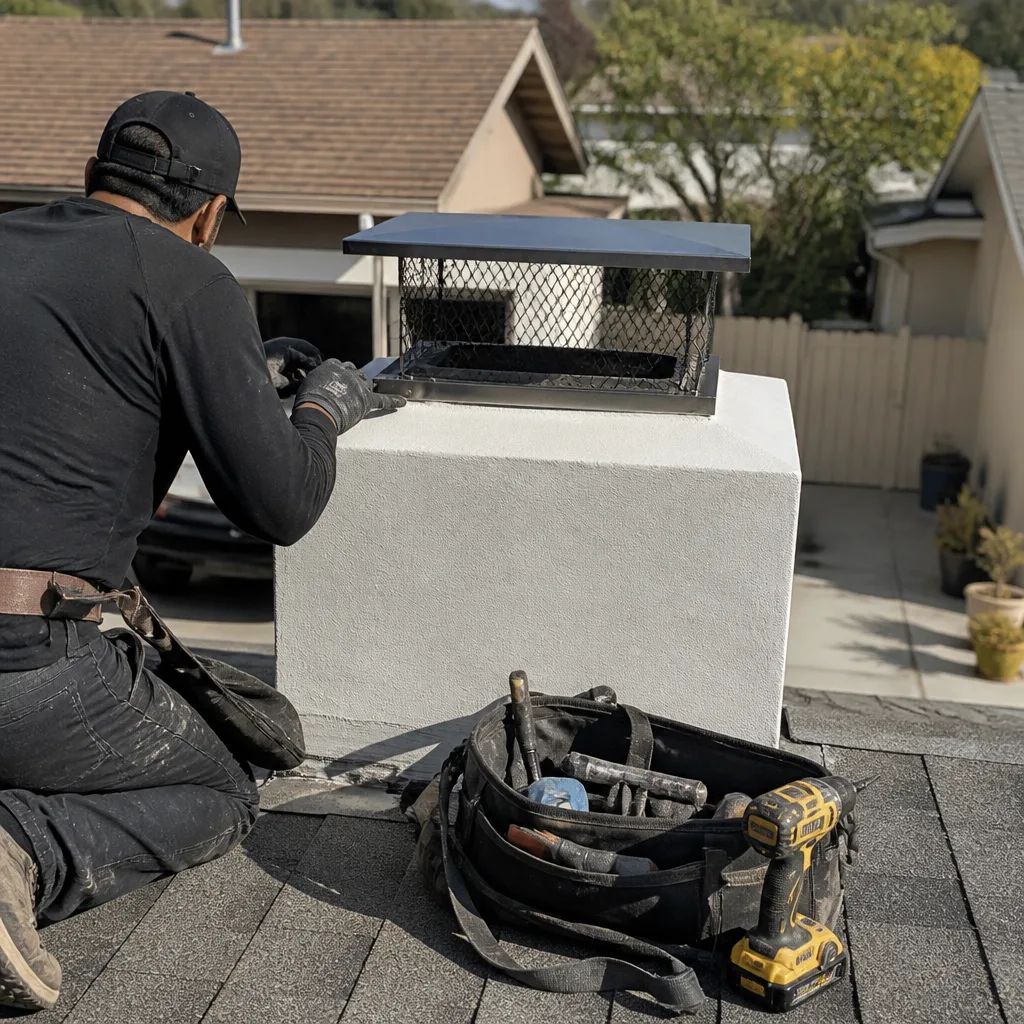
See the difference
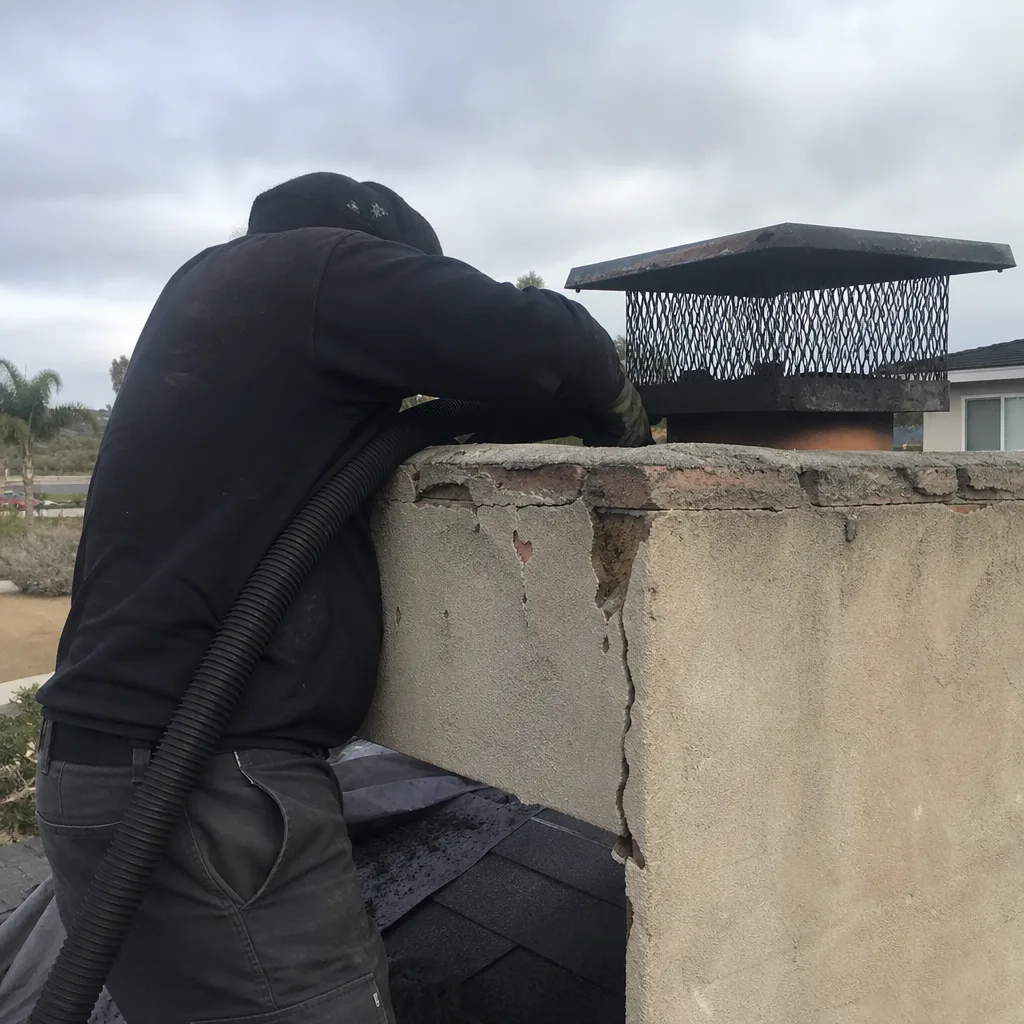 Before
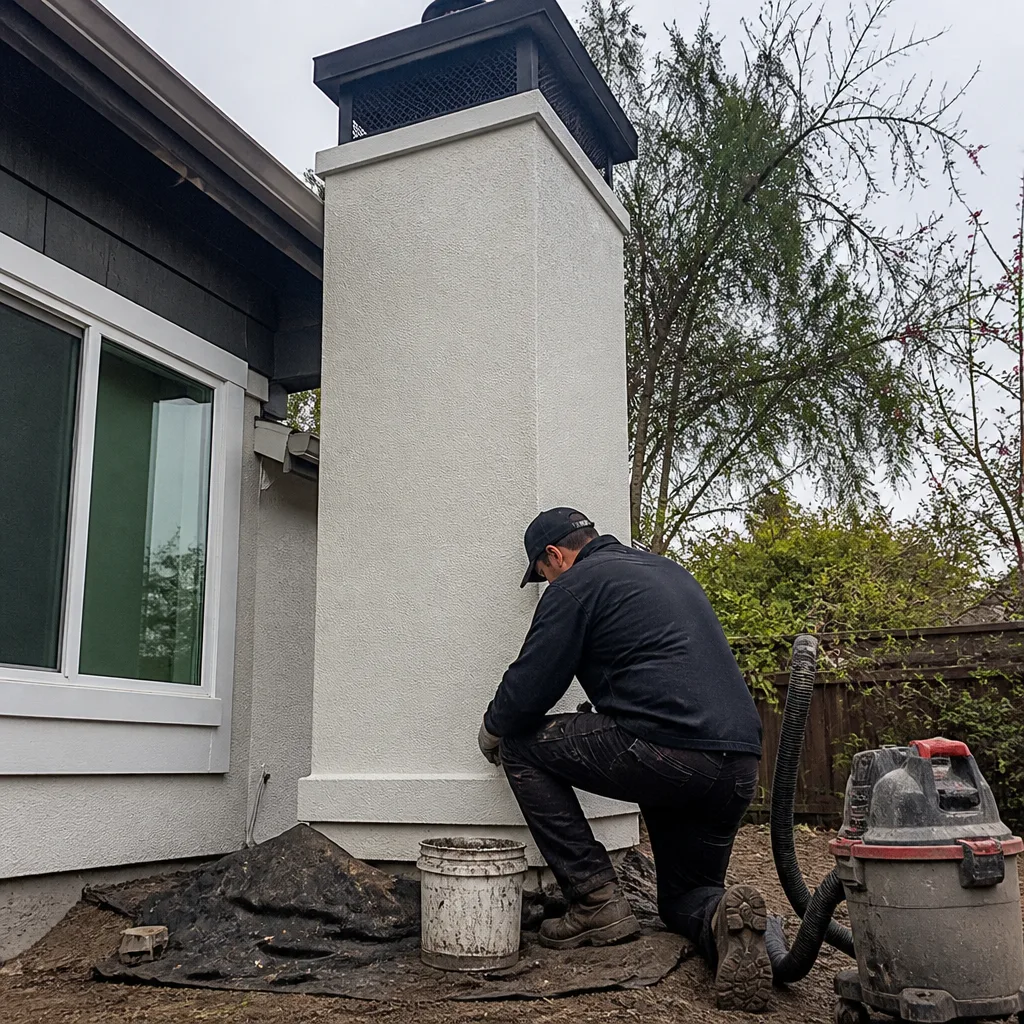 After
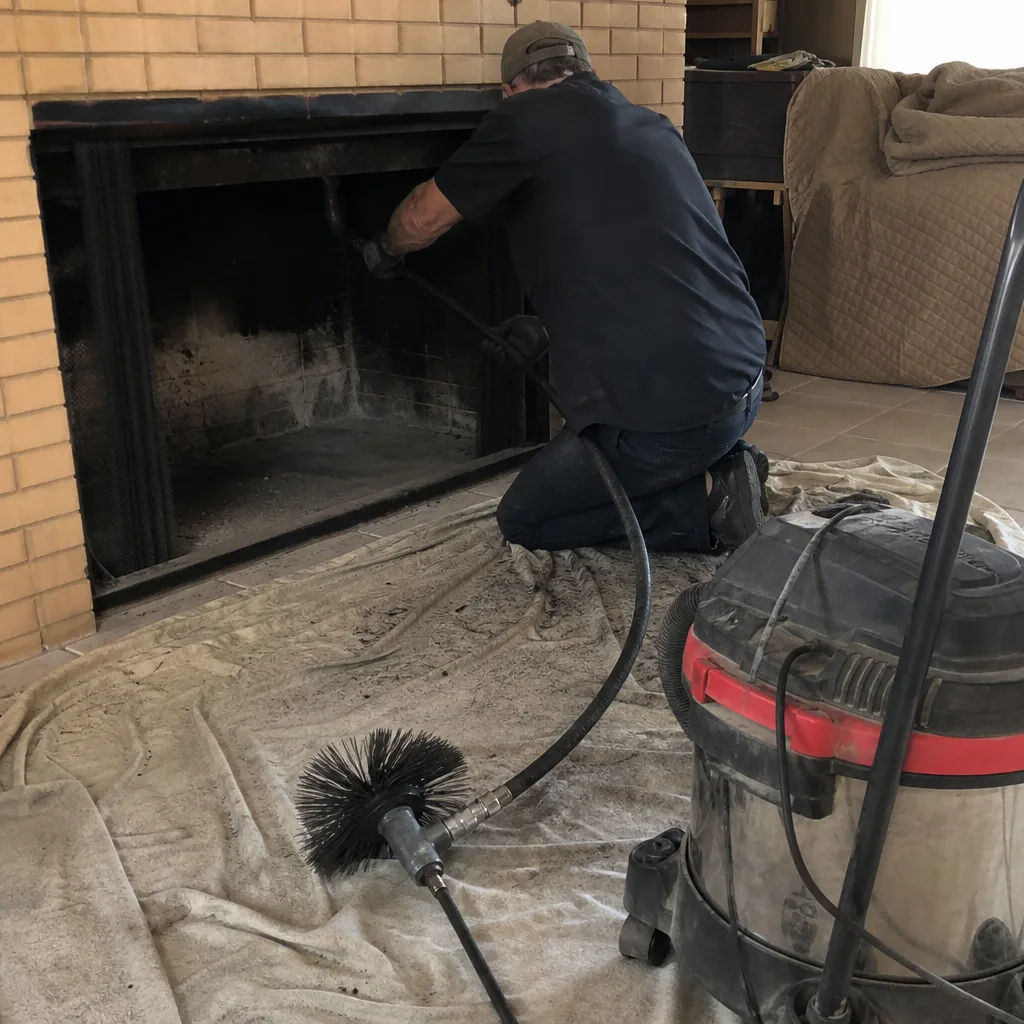 Before
 After
 Before
 After
When to Call a Professional
Call a professional if you see shiny black glaze inside the fireplace or flue, if you notice a strong campfire smell indoors, if your smoke detector has gone off during a fire, if you hear animals or debris in the chimney, if you’ve burned more than a cord of wood since the last professional cleaning, or if you don’t know when the chimney was last inspected. Those conditions are not DIY territory. Chimney Cleaning San Marcos offers free estimates in San Marcos – call (866) 651-2603.
Frequently Asked Questions
Professional chimney sweeping in San Marcos generally runs $180 to $350 for a standard single-flue cleaning, depending on the level of creosote buildup, roof access, and the home’s age. The full cost includes the sweep, the inspection, and the written report. Estimates are free – call (866) 651-2603 for a precise quote on your chimney.
A chimney should be swept at least once per year if you use your fireplace regularly, and after every cord of wood burned if you’re a heavy user through fall and winter. The National Fire Protection Association recommends annual inspection regardless of usage. If you’re burning less-than-perfectly-seasoned wood, which is common in San Marcos, err on the side of more frequent sweeps.
You only need a new liner if the existing one is cracked, spalled, or no longer sized correctly for the appliance, and that determination should always be backed by visual evidence. We don’t recommend liner work without showing you the camera footage that justifies it. If a company tells you a liner replacement is necessary without showing you why, get a second opinion. If the crack is real, products like HeatShield and DuraFlex can often restore the liner without a full tear-out.
Creosote keeps accumulating with every fire, and the risk does not plateau. In San Marcos, moisture from coastal air can accelerate the transformation of soft creosote into hardened glaze, which burns hotter and is harder to remove. The most common outcome of years of skipped cleaning is a chimney fire, often a small one that goes unnoticed but cracks the liner, setting up the next fire to be worse. The fix at that point costs thousands, not hundreds.
You can brush from the bottom up with a consumer kit, but this approach has structural limits. You’ll create significant soot dust inside the home without a proper negative-pressure vacuum, and you still can’t see or clean the smoke chamber or upper flue effectively. For most San Marcos homes, especially two-story homes with steep or tile roofs, having a professional handle the rooftop work eliminates the fall risk entirely.
Yes. Dryer vent cleaning is one of our three core services alongside chimney sweeping and chimney repair, because both are fire-hazard flues that most homes have and most homeowners ignore. One service call can cover both, which saves scheduling time and gets both hazards off your list at once. Call (866) 651-2603 to book both in a single visit.
The Bottom Line
DIY chimney cleaning is reasonable for light, visible soot in a chimney that has a recent professional inspection with a clean report. It is not a substitute for professional cleaning in any other scenario, and it cannot detect the conditions that cause chimney fires. San Marcos homeowners who burn wood through the winter should plan on one professional sweep per year, both for the cleaning and for the documentation that an insurance adjuster will want if something goes wrong. The people at Chimney Cleaning San Marcos work in chimneys and venting exclusively, use professional-grade materials from brands like DuraFlex and HeatShield, and offer free estimates. For more guides & resources, explore our blog.
Written by the team at Chimney Cleaning San Marcos, serving San Marcos since 2018.