Last updated November 2, 2026
 Sweep & inspection
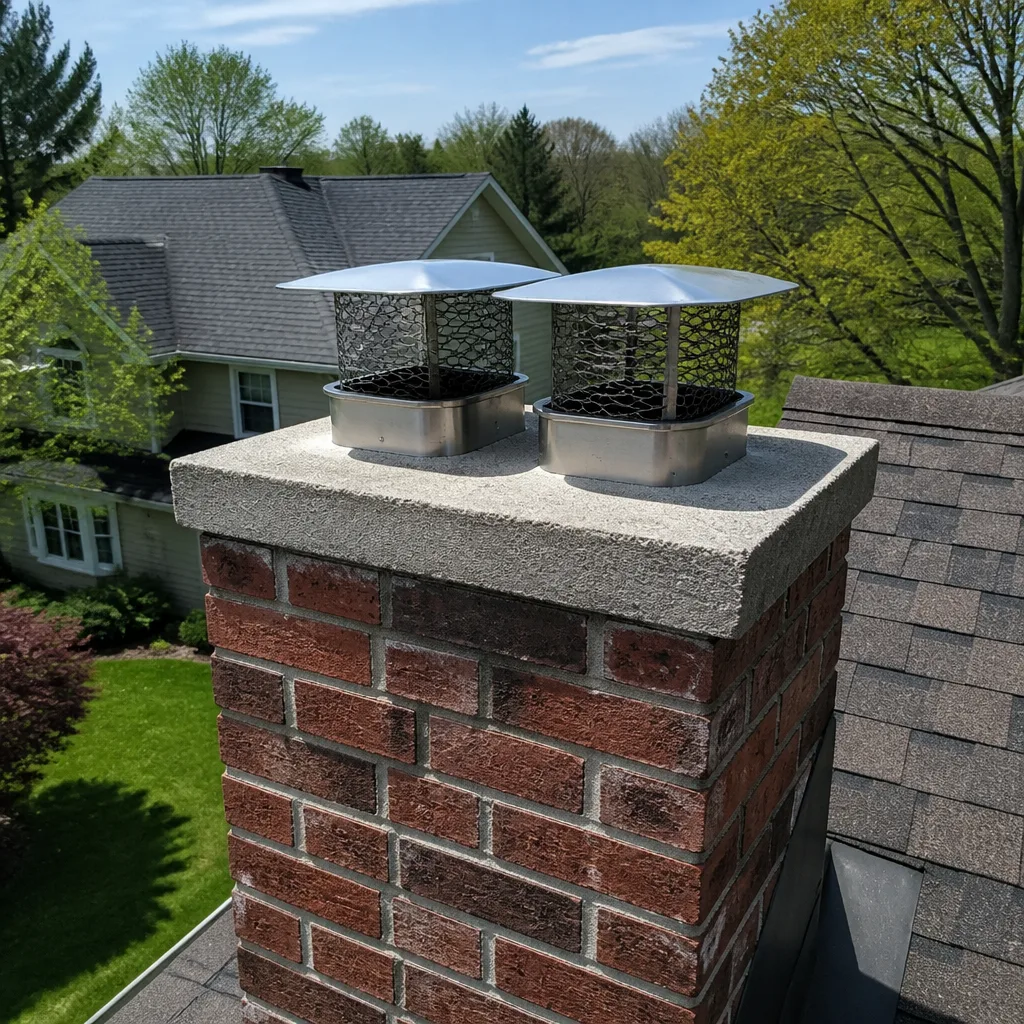
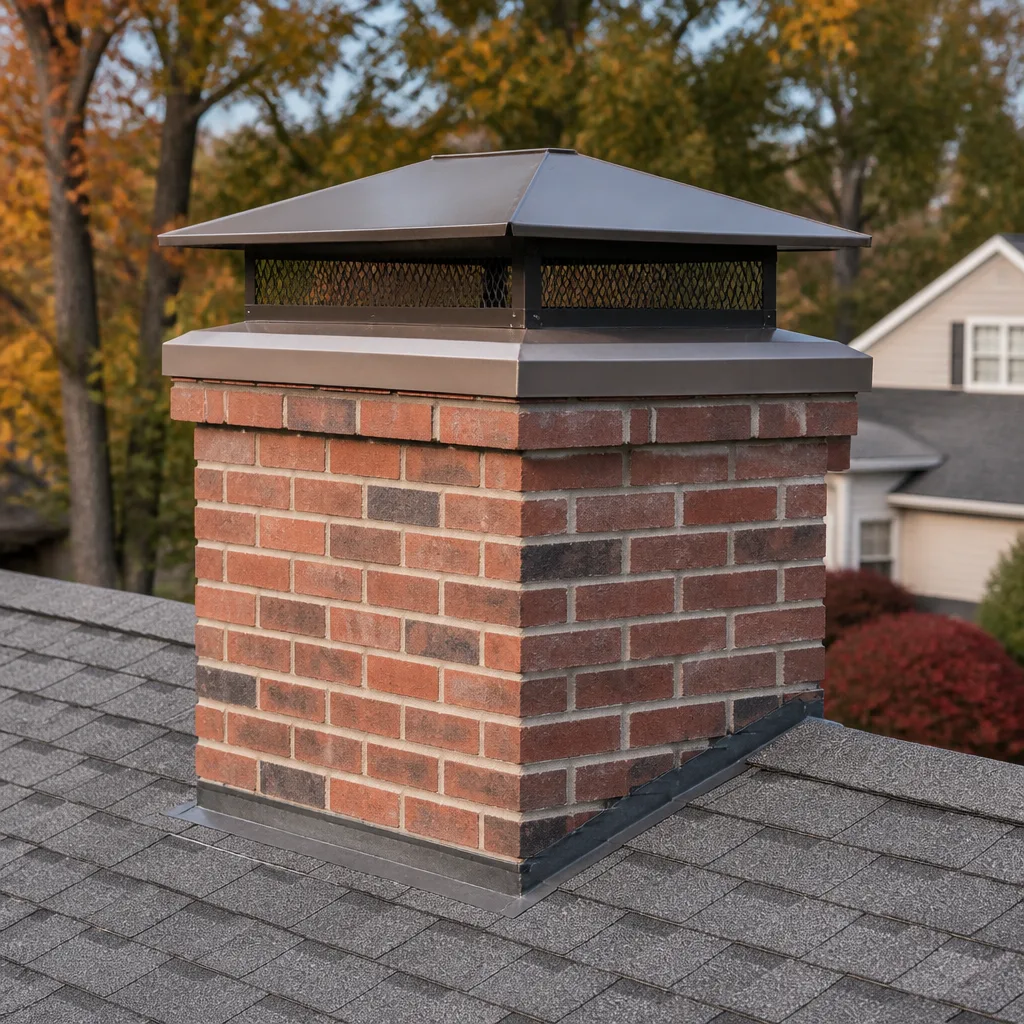 Caps & crowns
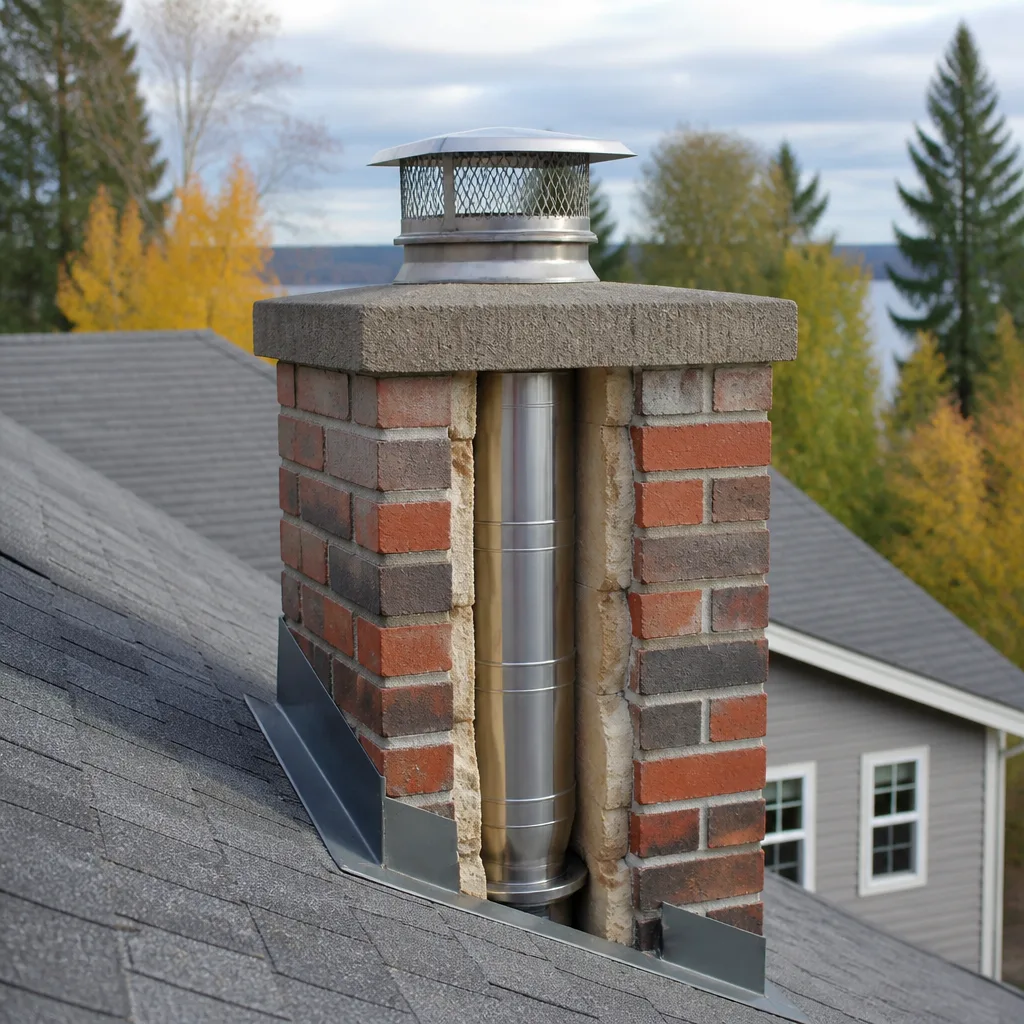 Flue relining
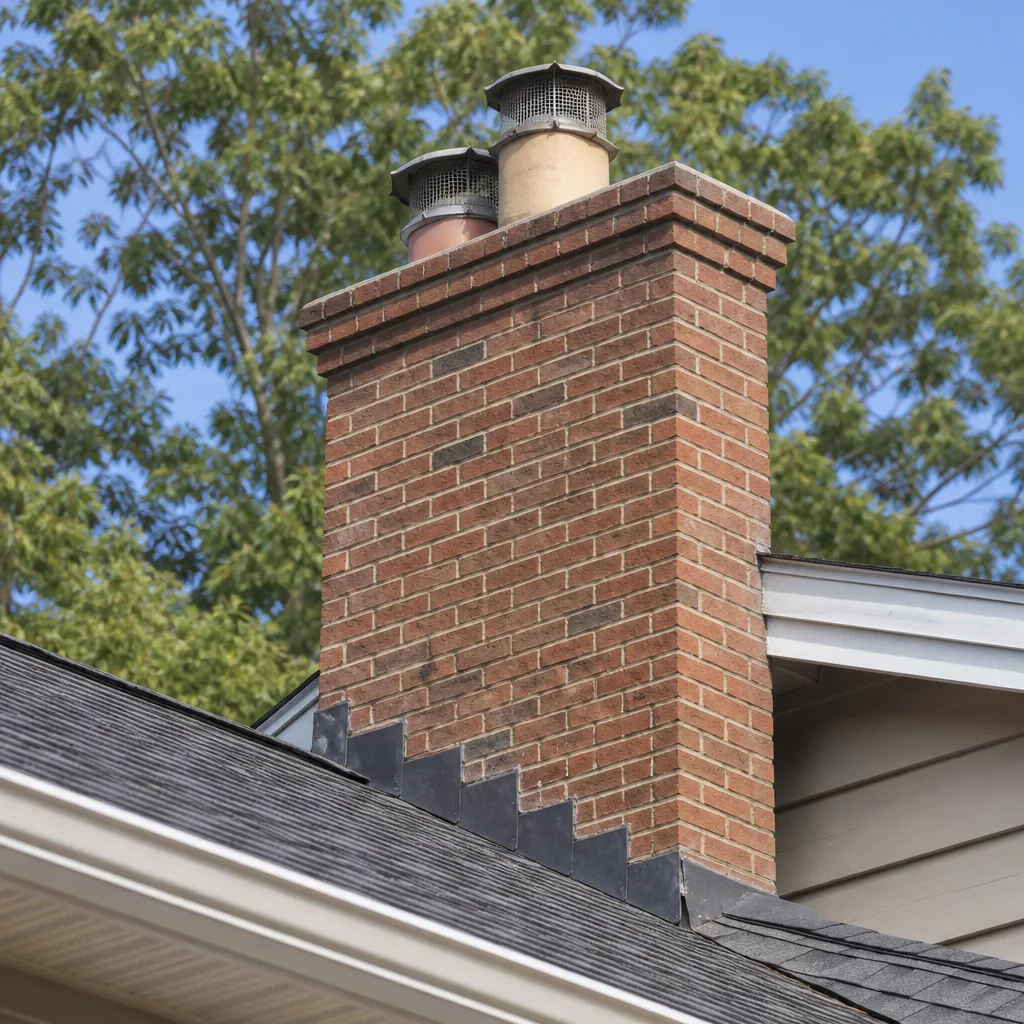 Masonry repair
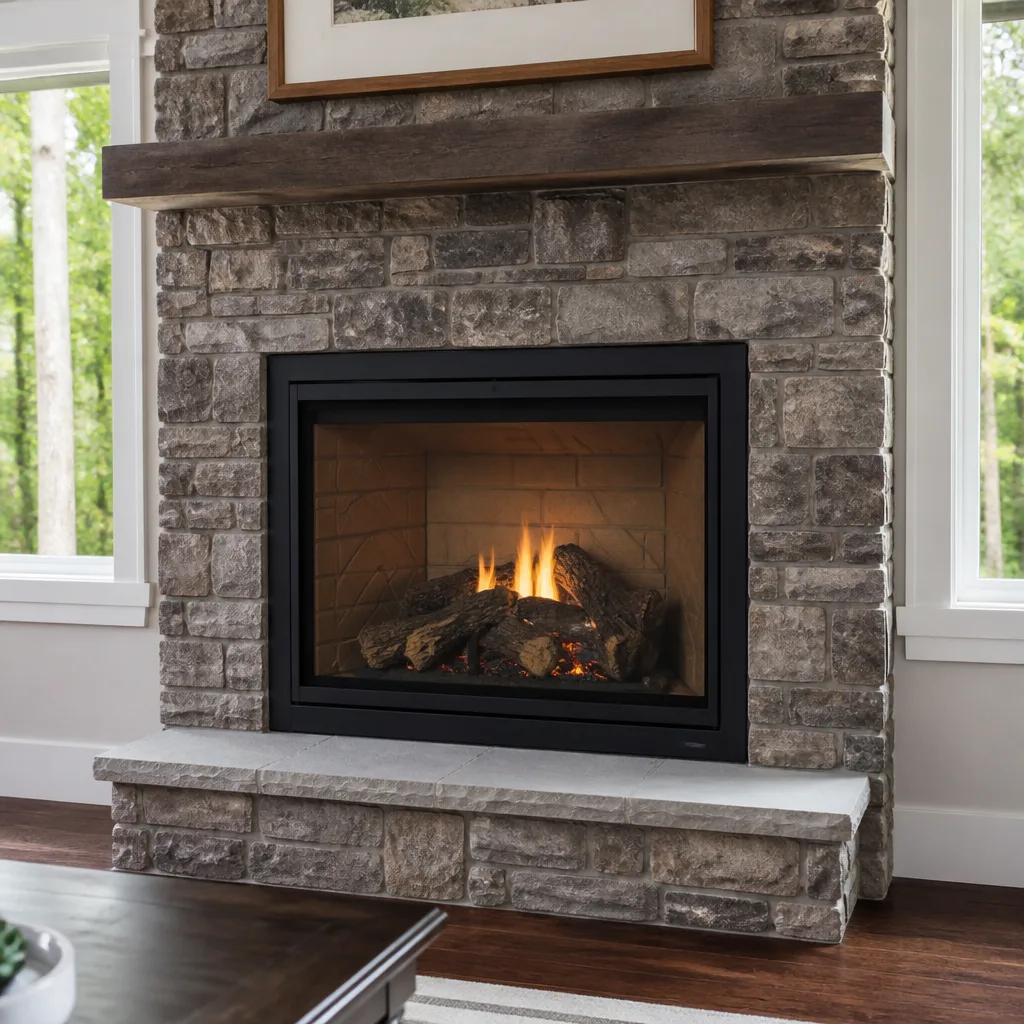 Gas fireplace service
Level 1 sweep and inspection to the NFPA 211 annual standard - flue, crown, cap, and flashing checked and photographed
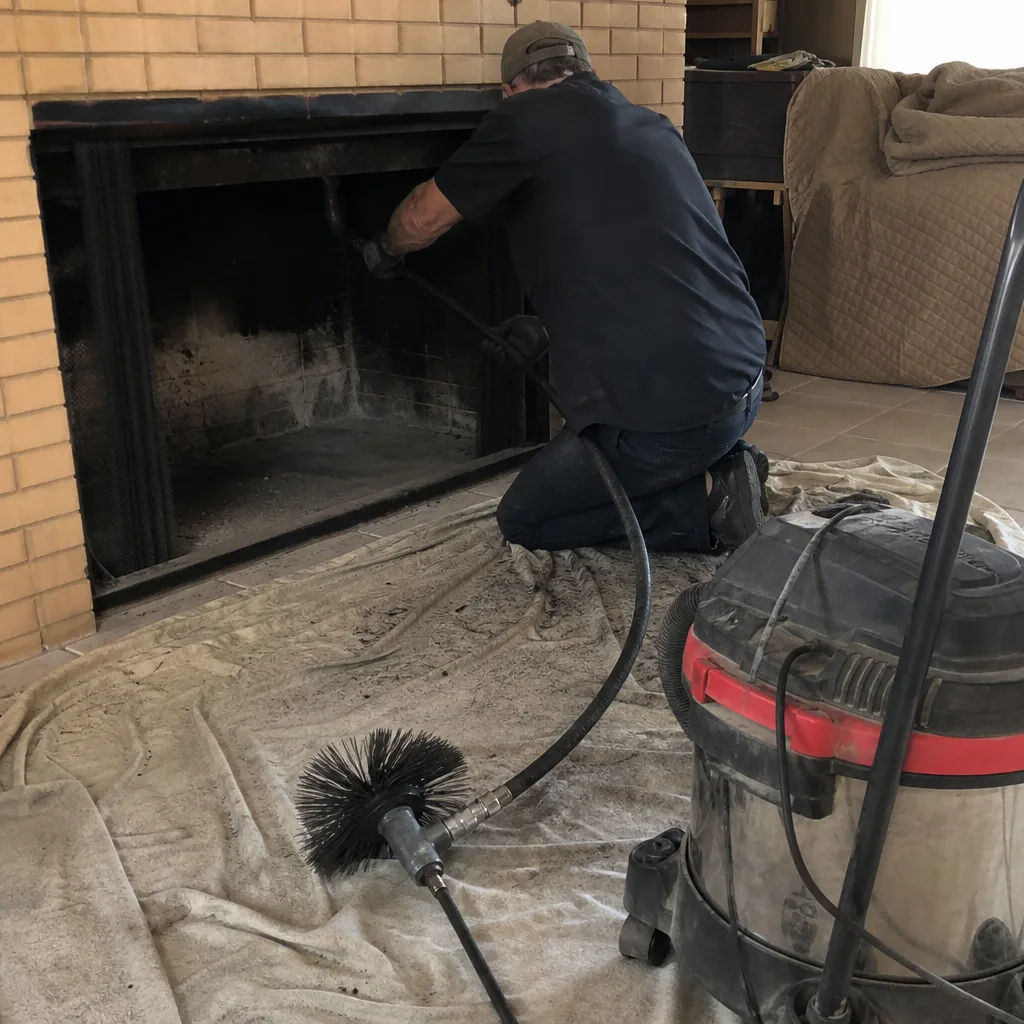
Chimney sweep logs do not sweep chimneys. They loosen some creosote - which then falls where a brush and vacuum still have to collect it.
How to Hire a Chimney Cleaning Contractor in San Marcos: A Step-by-Step Guide
The cheapest chimney quote you’ll find in San Marcos is often from someone whose primary business is gutter cleaning or pressure washing. The chimney job is filler work between their real calls. That’s not a knock on those trades; it’s a reality of how the service market works in North County. Hiring someone to work on the flue that vents fire out of your living room is a different category of decision than hiring someone to wash your driveway. This guide teaches you the one skill that matters: how to tell a genuine chimney specialist from a generalist before you hand over access to your home.
Styles & brands we work with
- Sweep & inspection
- Caps & crowns
- Flue relining
- Masonry repair
- Gas fireplace service
Quick Answer
To hire a chimney cleaning contractor in San Marcos, verify three things before booking: proof of CSIA or equivalent certification, a written inspection report included with the sweep (Level 1 at minimum), and a California contractor license that’s active with the CSLB. Ask them what brands of chimney materials they use; if they hesitate or name big-box retail products, keep looking. A real specialist can tell you immediately.
Table of Contents
- Why This Decision Matters More in San Marcos Than You Think
- What CSIA Certification Actually Verifies (and What It Doesn’t)
- Five Questions That Separate Specialists from Generalists
- How to Verify a Contractor’s License and Insurance in San Diego County
- Red Flags in Chimney Quotes: What Lowball Numbers Hide
- Why a Chimney Specialist vs. a Generalist Matters When Something Goes Wrong
- Step-by-Step: Hiring a Chimney Cleaning Contractor in San Marcos
- Common Mistakes to Avoid
- When to Call a Professional
- Frequently Asked Questions
- The Bottom Line
Why This Decision Matters More in San Marcos Than You Think
San Marcos sits in a coastal-influenced climate that most people don’t associate with chimney problems. We don’t get Midwest winters or New England freeze-thaw cycles. But we do get marine layer mornings, dry Santa Ana stretches, and a fireplace culture that ramps up from November through February. A chimney that’s been sitting dormant from March to October doesn’t just collect dust. It collects what the California climate puts into it: creosote from last season’s fires, nesting material from birds and rodents, and moisture that works its way into masonry and liner systems. For a full look at how to protect your system through every season, see our Seasonal Chimney Cleaning Care for San Marcos: Year-Round Homeowner’s Guide.
What this means for hiring: the contractor you choose should understand how a San Marcos chimney behaves differently from one in Truckee or Big Bear. Coastal humidity interacts with creosote differently than high-desert dryness. A technician who only sweeps chimneys in one climate band may not recognize the early signs of moisture intrusion in a San Marcos County flue. This isn’t about being dramatic. It’s about matching the right knowledge to the right geography.
We’ve worked in chimneys across San Marcos, from older homes in the Richland corridor to newer construction near Cal State San Marcos. The patterns are consistent: homeowners wait until the first cold snap, then scramble to book a sweep. Scarcity creates a market where generalists can list “chimney cleaning” on a service menu without owning a single professional-grade chimney tool. That’s the environment in which you’re hiring. Knowing the landscape before you call is the whole game.
What CSIA Certification Actually Verifies (and What It Doesn’t)
The Chimney Safety Institute of America (CSIA) is the most recognized credentialing body in the U.S. chimney industry. A CSIA-certified technician has passed a written exam covering chimney physics, code requirements, inspection levels, and safety practices. They’ve demonstrated baseline knowledge of how flues work, what clearances are required, and what a proper sweep procedure looks like. That’s real, and it matters.
Here’s what CSIA certification does not verify: whether the technician has ever cleaned a chimney in San Marcos. Whether they own professional-grade equipment or rent it. Whether they’ll show up on time, write an honest report, or recommend only the work your chimney actually needs. Certification sets the floor, not the ceiling. It’s the minimum bar you should require, and you should require it. But it’s not a guarantee of quality or honesty.
Think of it like a driver’s license. It proves someone passed the test. It doesn’t tell you how they drive in the rain, whether they signal lane changes, or if they’ve ever navigated San Marcos Boulevard at 5 PM. You’re hiring for the whole picture. Certification is one part of it. What a contractor uses for materials and equipment is another. The questions they can answer about your specific chimney type are a third.
Ask for proof. A legitimate technician will show you their CSIA number without hesitation. A generalist will change the subject to price. That tells you everything the conversation alone never will.
Five Questions That Separate Specialists from Generalists
Here’s how to separate a chimney professional from a handyperson with a brush. These five questions should be part of every conversation you have with a prospective contractor in San Marcos.
- What level of inspection do you perform during a sweep?
A Level 1 inspection is the minimum standard for a chimney that hasn’t changed use or structure. It covers the accessible portions of the flue and exterior. A specialist will explain this. A generalist will say “we clean it.” Those are different answers. - What equipment do you use?
Professional chimney companies run rotary cleaning systems, HEPA-filtered vacuums, and inspection cameras. Generalists often show up with a wire brush from a hardware store and a shop vac. You’re allowed to ask. The answer reveals their supply chain. - Who supplies your chimney materials if repairs are needed?
This is the question that separates trade-level operators from big-box customers. A specialist works with professional chimney-industry supply brands, the same materials certified professionals use nationwide. If a chimney company can’t name a supplier ecosystem, they’re buying whatever the home center carries. That difference matters when the repair is inside your flue. - Will I get a written report with photos?
Camera inspection with photographic documentation is standard practice for a real chimney company. If the answer is “we’ll let you know what we find verbally,” you’re hiring someone without the gear to document their own work. Verbal findings don’t hold up in an insurance claim. - Are you licensed and insured in California, and will you provide the certificate?
A legitimate contractor says yes and sends it. A generalist hedges, deflects, or claims their handyman license covers chimney work. It doesn’t. See the next section for how to verify this yourself.
We’ve heard variations of these conversations happen across San Marcos. The homeowners who ask these questions end up with documented sweeps and durable repairs. The ones who don’t end up calling us to fix what a generalist overlooked.
How to Verify a Contractor’s License and Insurance in San Diego County
California requires a contractor license for any job over $500, including chimney work. Here’s the exact process to verify a contractor before they set foot in your San Marcos home.
- Go to the CSLB website.
The Contractors State License Board runs a license lookup at cslb.ca.gov. Enter the contractor’s name or license number. The license must show as “Active” and current. - Check the classification.
Chimney work falls under the C-61/D-40 limited specialty license for “Chimney Sweep” or under a general building (B) license. If the contractor’s classification is something unrelated, like C-21 (Building Moving/Demolition), walk away. - Verify workers’ compensation coverage.
If the contractor has employees, California law requires workers’ comp. The CSLB page shows this status. If they’re uninsured and someone gets hurt on your property, you could be liable. - Request a current certificate of insurance.
Ask for a certificate naming you as an additional insured for liability coverage. A professional company sends this without friction. A generalist stalls. - Check the business address.
If the license lists an address in Sacramento or Fresno and the phone number routes to a call center, you’re hiring a dispatch service, not a local chimney contractor. There’s nothing wrong with dispatch services in some trades, but for chimney work, you want someone who knows San Marcos.
This takes five minutes. It’s the difference between hiring a documented professional and someone who’s one bad job away from disappearing. The CSLB database doesn’t lie. Contractors sometimes do.
Red Flags in Chimney Quotes: What Lowball Numbers Hide
A chimney sweep in San Marcos typically runs between $150 and $350 depending on the inspection level, flue condition, and whether it’s a standard masonry fireplace or a prefab system. For a detailed look at what drives these numbers, see our Chimney Cleaning Cost Breakdown: The San Marcos Homeowner’s Reference for 2026. When you see a quote well below that range, you’re usually not getting a deal. You’re getting a partial service with the missing parts left unspecified.
Here are the red flags we tell homeowners to watch for, and what each one actually means:
- Flat rates that sound too easy.
A single price for every chimney, regardless of condition, is a sales hook, not a scope of work. Chimneys vary. Honest pricing reflects that. - No mention of inspection level.
If the quote doesn’t specify whether it includes a Level 1 or Level 2 inspection, you’re paying for a brushing and nothing else. A sweep without an inspection is like a doctor visit without an exam. - Vague scope of work.
“Chimney cleaning: $99” doesn’t tell you what gets cleaned, what gets inspected, or what gets documented. A real quote spells out what’s included and what’s not. - No written report offered.
If the contractor can’t produce a report with photos after the job, they likely can’t produce one before it either. That means no documentation for insurance purposes, no baseline for future comparison, and no evidence of what was actually done. - Recommendations for repairs from someone who can’t perform them.
A generalist who finds a cracked liner and refers you to “a guy I know” is leaving you with a chimney problem and a name. A specialist who finds a problem fixes it, because Chimney Repair in San Marcos is part of the same service relationship.
Lowball quotes in San Marcos tend to cluster in the shoulder seasons, when demand dips and generalists pivot to whatever’s next on their service list. The price is low because the commitment is low. You’re hiring a transaction, not a contractor.
Why a Chimney Specialist vs. a Generalist Matters When Something Goes Wrong
Here’s the scenario nobody thinks about when they hire the cheaper option: six months after the sweep, your chimney develops a problem. To prepare for these situations before they happen, read our Chimney Cleaning Emergency Preparedness Guide for San Marcos Homes. Maybe a water stain appears on the ceiling near the flue. Maybe the fireplace starts drafting poorly. Maybe your insurance company asks for documentation of the last cleaning after a small chimney fire. What happens next depends entirely on who you hired.
If you hired a chimney specialist, you call them. They have records. They have the camera footage from the original sweep. They can dispatch someone to San Marcos who knows the exact system in your home. If the original work was deficient, they’re insured and licensed, and they have a professional reputation to protect. The relationship continues.
If you hired a generalist, best of luck. You’ll call the number you saved. It might route to a different service company now, because handyman operations in North County rotate frequently. Your documentation, if you received any, will be a handwritten receipt. Your insurance company will not find that persuasive. You’ll end up hiring a chimney professional anyway, but now as a cleanup operation instead of a maintenance call.
This is the practical argument for hiring a dedicated Chimney Sweep in San Marcos company. Single-trade focus means the technician working on your flue works on flues every day, not gutters on Tuesday and chimneys on Thursday. When your warranty claim or insurance doc depends on the credibility of the company behind the work, that focus is worth more than the $50 you saved on the front end.
And there’s the safety piece. A chimney is a fire-containment system. When it works, it vents combustion gases away from your family. When it fails, it doesn’t just inconvenience you. It puts the house at risk. The same is true for Dryer Vent Cleaning in San Marcos, which addresses the other major flue in your house. Both deserve a professional, not a fill-in job.
Step-by-Step: Hiring a Chimney Cleaning Contractor in San Marcos
Here’s the full process, laid out in order. Follow these steps and you’ll end up with a documented, professional sweep from a contractor you can hold accountable.
Step 1: Identify Your Chimney Type
Masonry fireplaces, prefab fireplaces, and wood stoves all have different cleaning and inspection needs. Look at your fireplace. If it’s brick and heavy, it’s masonry. If it’s metal and lightweight, it’s prefab. Tell the contractor which type you have when you call. A professional will ask follow-up questions. A generalist will just say “okay” and quote a price.
Step 2: Call Two or Three Companies
Get multiple quotes, but don’t let price be the deciding factor. Use these calls as interviews. Ask the five questions from the section above. Write down the answers. The quality of the answers tells you more than the dollar figure on the estimate.
Step 3: Verify the License and Insurance
Run the CSLB license lookup while you’re still on the phone or right after. Confirm the classification is right. Ask for the insurance certificate. If any step stalls, mark that contractor off your list.
Step 4: Ask About Materials and Equipment
This is where the brand question reveals the most. A professional company that works with professional chimney-industry supply brands, the same materials certified technicians use nationally, can tell you exactly which products they’d use if your liner needs repair. Companies that work with HeatShield products or DuraFlex liners signal liner-level capability, not just surface brushing. If the contractor has no answer for this, they’re not doing repair work, which means anything they find during the sweep will be someone else’s problem.
Step 5: Book the Job and Get the Scope in Writing
Before the appointment, confirm the scope: inspection level, sweep procedure, report format, and total price. Written confirmation matters. A professional company will send it without being asked.
Step 6: Review the Report Before They Leave
After the sweep, the technician should walk you through the inspection findings with photos. Ask questions. If they found something, ask to see it in the camera footage. “We find it, we fix it” only works if you can see the evidence yourself. A reputable company shows you exactly what they saw.
The entire process, from first call to completed report, should take no more than a week. If it takes longer, you’re dealing with someone who doesn’t actually want the work.
Common Mistakes to Avoid
- Hiring on price alone.
The cheapest quote in San Marcos is cheap for a reason. The contractor is either cutting corners, doing partial work, or won’t be around in a year when you need documentation. Pay for process, not promises. - Skipping the license verification.
The CSLB lookup takes three minutes. Unlicensed operators are surprisingly common in North County, especially in the spring and summer when homeowners aren’t thinking about fireplaces. Run the check every time. - Accepting a verbal-only report.
If the contractor can’t produce a written inspection report with photos, you’ve received a brushing, not a professional service. You have no documentation for insurance, resale, or future comparison. - Treating all chimney types as the same.
Masonry, prefab, and wood stove systems need different approaches. Prefab chimneys, common in newer San Marcos construction, require specific knowledge that a generalist often doesn’t have. Say what you have and make sure they understand it. - Ignoring the dryer vent.
Dryer vents are the other leading household fire-hazard flue. If you’re having a chimney company out, ask about their dryer vent services. A single call covering both fire hazards makes sense. The Chimney Cleaning San Marcos home service area covers both systems, and homeowners who book them together save a second service visit. - Waiting until December.
San Marcos chimney companies book up fast when the temperature drops. Scheduling a sweep in September or October gets you a flexible appointment and a contractor who isn’t running three calls behind. In December, you take what’s available and pay peak rates. - Not asking about repair capability at the time of booking.
Many sweeps uncover issues. If your sweeper can’t repair what they find, you’re paying for two service calls from two companies and waiting weeks between them. Ask upfront whether the company handles repairs in-house.
When to Call a Professional
Call a chimney professional if you’ve used your fireplace more than a handful of times since the last sweep, if you see a buildup of black, flaky creosote on the damper or firebox walls, if you smell a campfire odor when the fireplace isn’t in use, if you’ve had water stains near the chimney, or if you recently bought a San Marcos home and have no documentation of prior chimney service. Call before you light the first fire of the season, not after. The inspection is cheaper than the repair. For more guides & resources, visit our blog. Chimney Cleaning San Marcos offers free estimates in San Marcos. Call (866) 651-2603 to book a sweep and inspection.
Frequently Asked Questions
A standard chimney sweep in San Marcos typically costs between $150 and $350, depending on the inspection level, chimney type, and condition of the flue. A Level 2 inspection adds cost because it requires camera equipment and more time. Beware quotes below $100; they usually mean a brushing with no inspection, no report, and no documentation. Call (866) 651-2603 for an exact quote based on your chimney type. Estimates are free.
The National Fire Protection Association (NFPA) recommends an annual inspection and sweep for any regularly used fireplace. In San Marcos, where fireplaces typically see heavy use from November through February, once a year is the right cadence. If you burn unseasoned wood or use the fireplace more than three times a week, twice a year is safer.
A Level 1 inspection is a visual check of accessible portions of the chimney, appliance, and connections without special tools, and it’s the standard during a routine annual sweep. A Level 2 inspection includes everything in Level 1 plus camera scanning of the interior flue, and it’s required when the system has changed (new appliance, new home purchase, or after a chimney fire or weather event). Most homeowners in San Marcos getting their first sweep in years should request a Level 2 inspection.
You don’t need a new liner unless the existing one is cracked, spalling, or incorrectly sized for the appliance. A contractor who finds liner damage should show you the camera footage, not just tell you to trust them. If the video shows visible cracks or gaps, the repair is legitimate. If the contractor won’t show evidence, get a second opinion. Companies that work with professional materials like HeatShield and DuraFlex can often restore a liner rather than replace it, which is typically cheaper and less invasive. Call (866) 651-2603 for a camera inspection with video evidence, not a verbal claim.
A handyman can brush soot out of your flue, but that’s not the same as cleaning and inspecting it. Chimney sweeping requires understanding of clearance requirements, creosote levels, liner condition, and draft performance, and state licensing for work over $500. If a handyman misses a cracked liner or a blocked flue, the result can be a chimney fire. This is one system where certification and specialization matter.
Creosote, a flammable byproduct of wood combustion, accumulates on the flue walls. In San Marcos, where coastal moisture doesn’t burn off as quickly as in drier climates, the creosote mix can become stickier and harder to remove over time. Meanwhile, birds and rodents build nests in the spring, and water intrusion from marine-layer moisture worsens liner deterioration. Eventually you get one of three outcomes: a chimney fire, carbon monoxide backup, or an expensive repair that could’ve been prevented by an annual inspection. The sweep is the cheapest of those outcomes by a wide margin.
The Bottom Line
Hiring a chimney cleaning contractor in San Marcos comes down to one distinction: specialists versus generalists. Specialists can answer specific questions about inspection levels, equipment, materials, and reporting. Generalists talk about price. The right contractor is licensed, insured, certified, documented, and able to repair what the inspection finds. The wrong contractor is cheap and vague. Ask the five questions, verify the license, insist on a written report with photos, and book before the season starts. That’s the entire process. The price difference between a real sweep and a shortcut is usually under a hundred dollars. The cost difference between a real sweep and a chimney fire is unaffordable.
Written by the team at Chimney Cleaning San Marcos, serving San Marcos since 2018.
See the difference
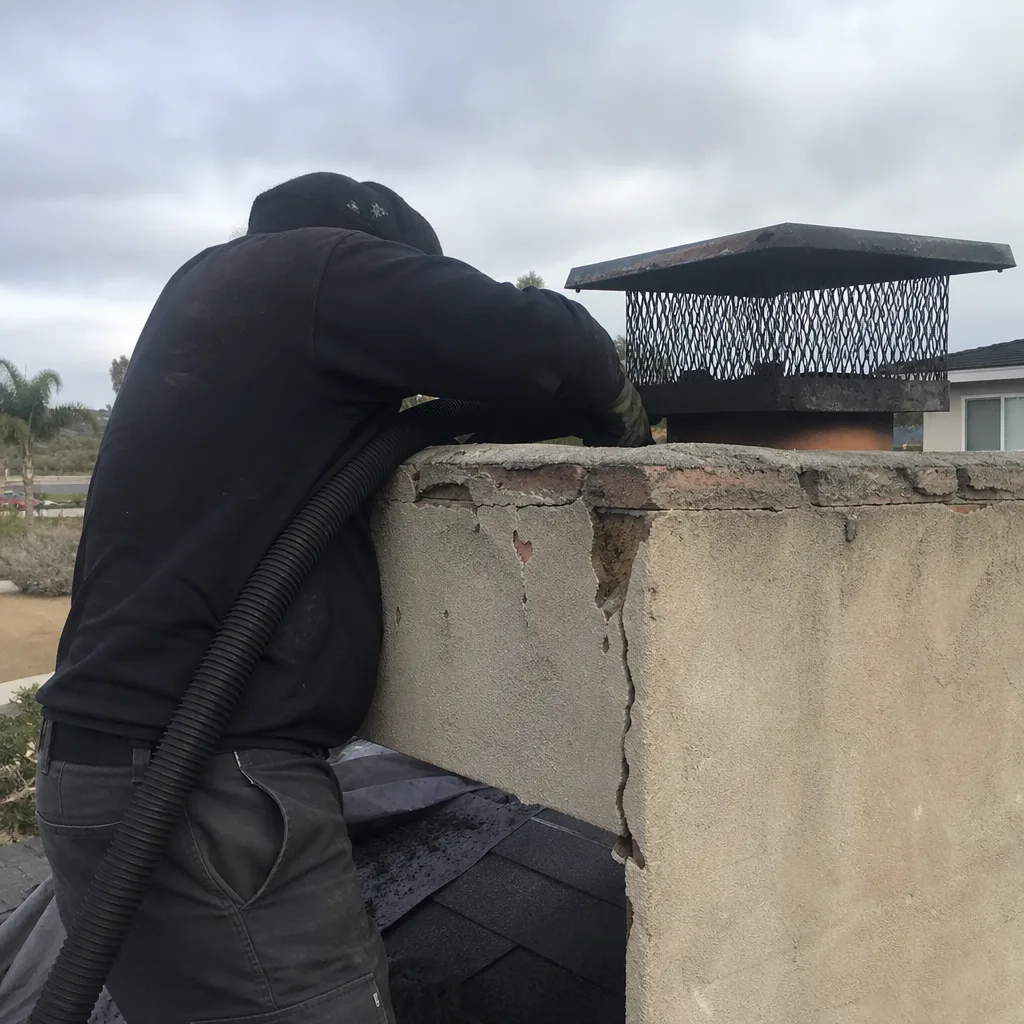 Before
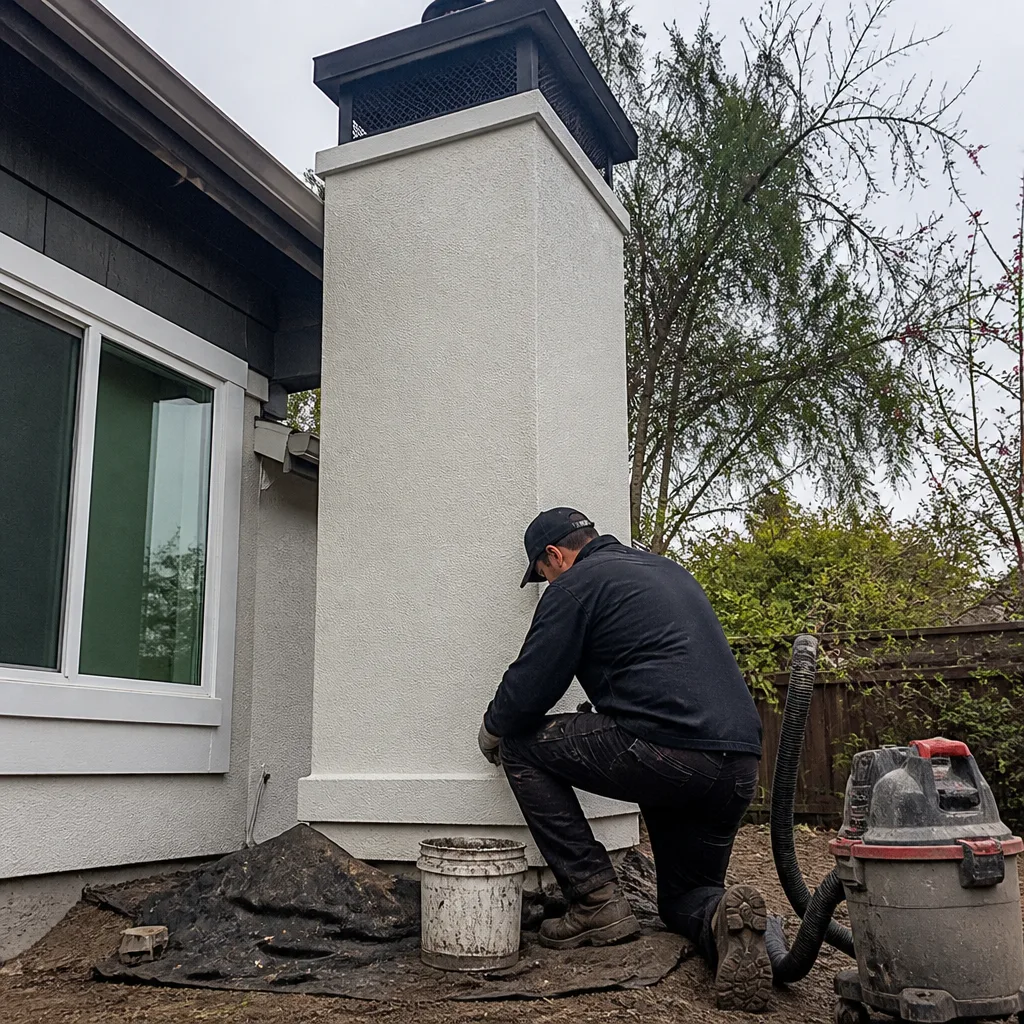 After
 Before
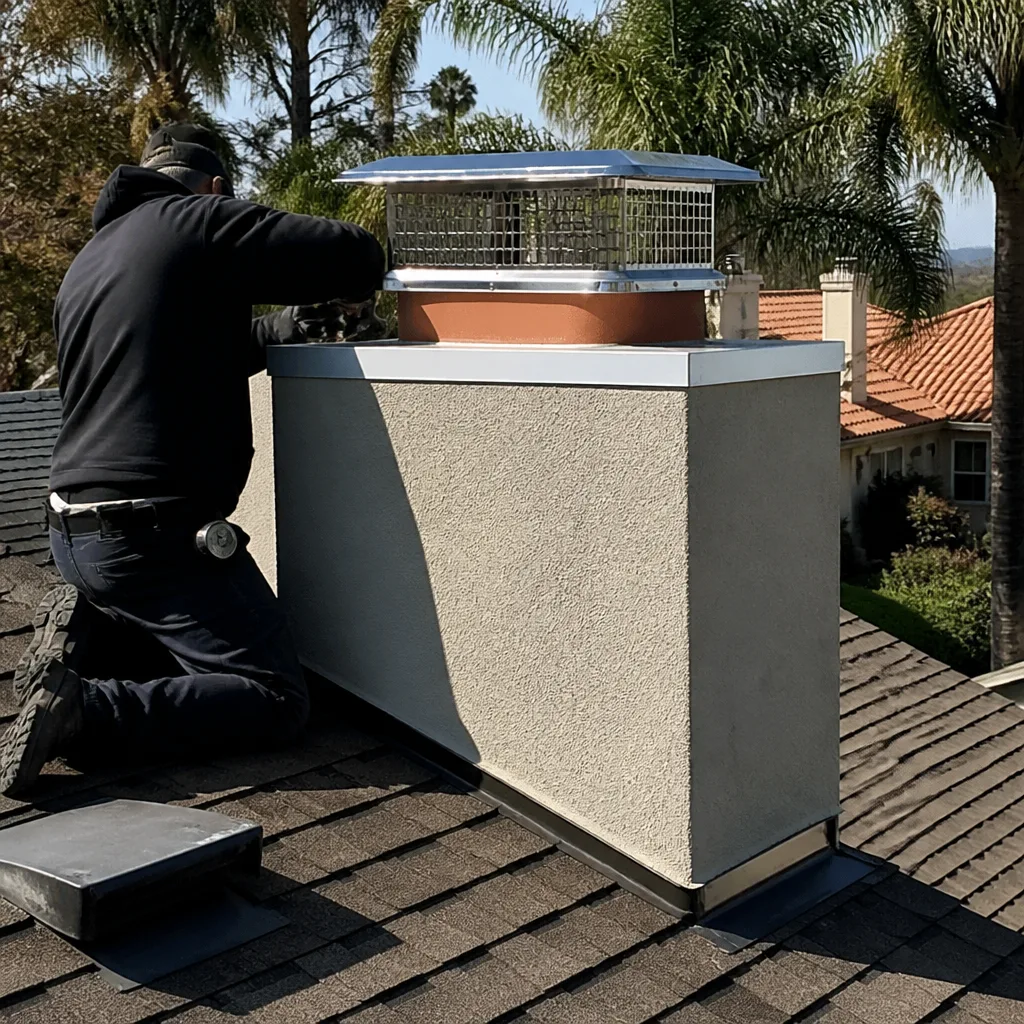 After
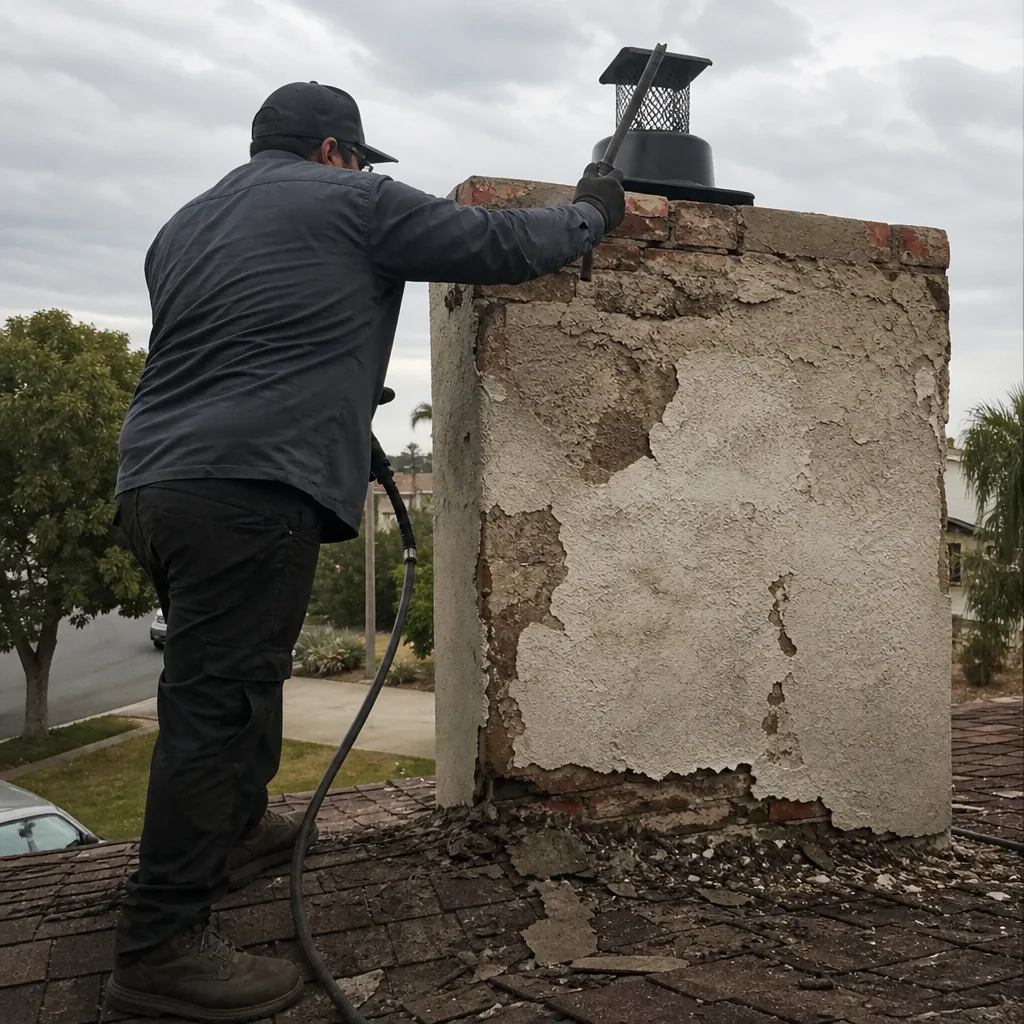 Before
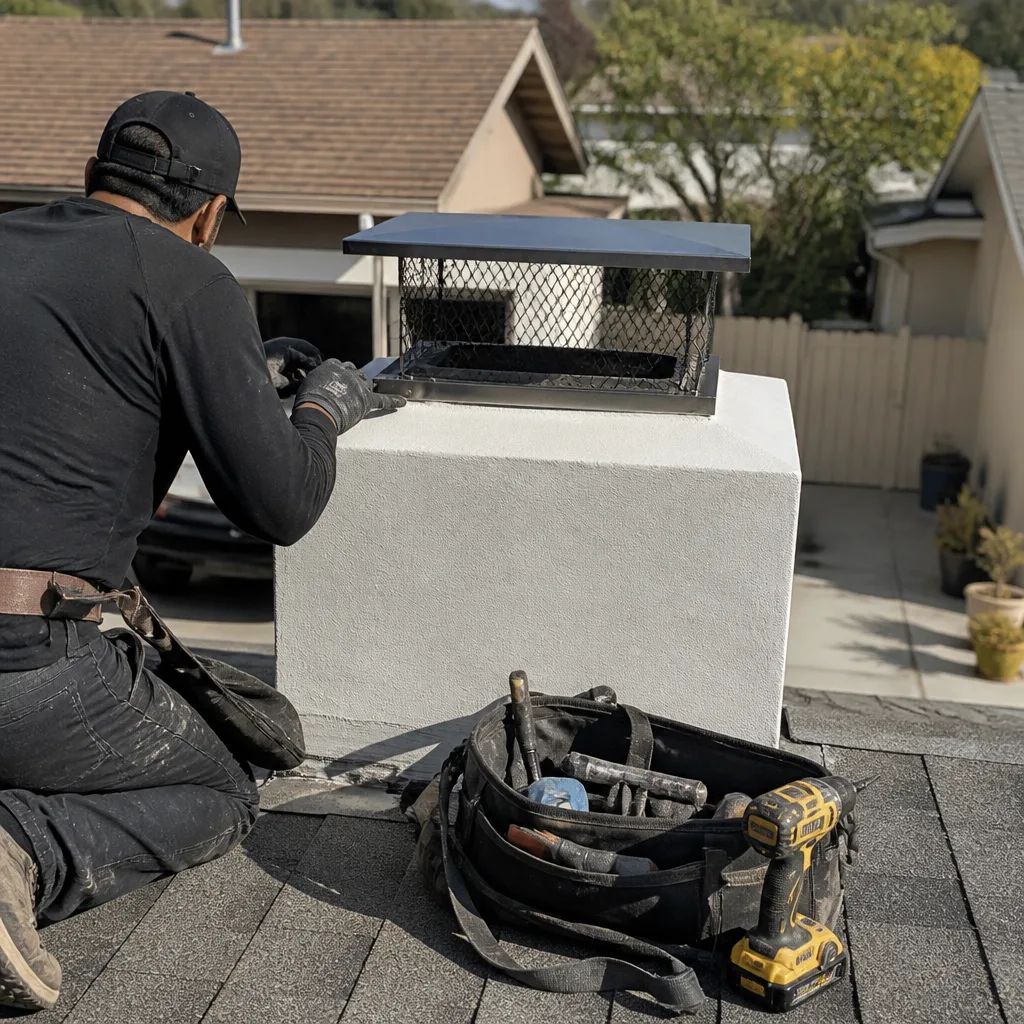 After